

Clashes erupted Saturday evening in Paris and several other French cities during demonstrations against the rising cost of living and deteriorating conditions in educational institutions, with 296 protesters arrested nationwide. In Lyon, France's third-largest city, footage circulating online showed demonstrators trampling Israeli and American flags before setting them on fire.
The demonstrations marked the third consecutive weekend of protests across France, a movement that has repeatedly descended into violence, looting and vandalism. The unrest reached its peak on October 17, prompting authorities to impose nighttime curfews in parts of the country.
Israeli and US flags burned in Lyon as France protests turn violent


The protests have also fueled widespread criticism of President Emmanuel Macron's government. Radical-left groups have played a prominent role in organizing the demonstrations, which have also drawn significant participation from immigrant communities.
An estimated 320,000 people joined Saturday's protests, which coincided with Halloween and were billed as the third act of the movement against the rising cost of living, marking the third consecutive weekend of demonstrations.
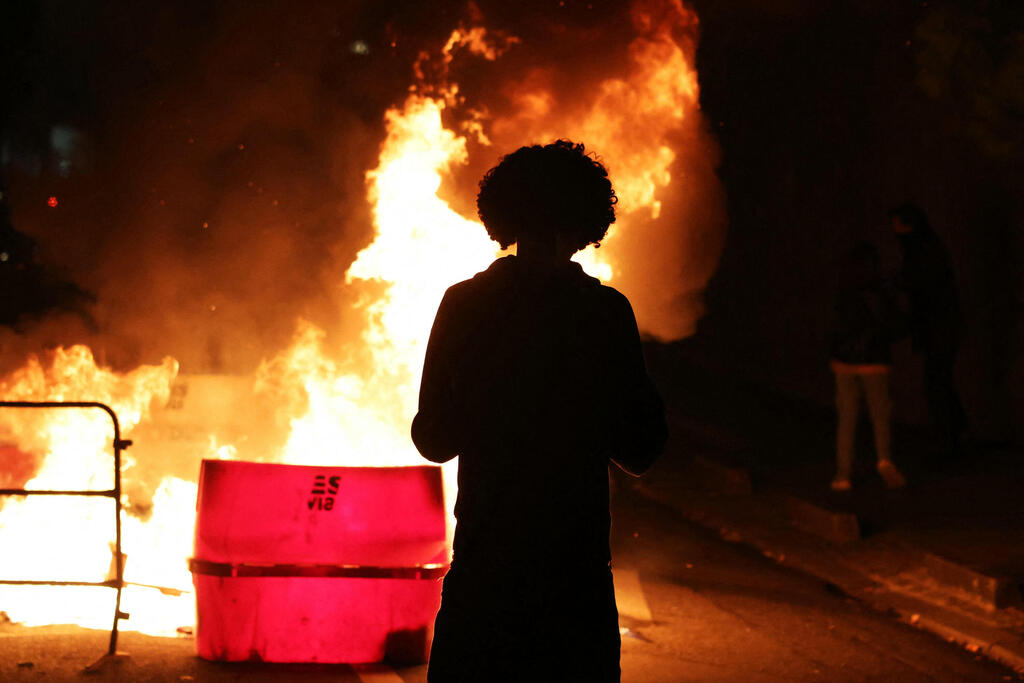
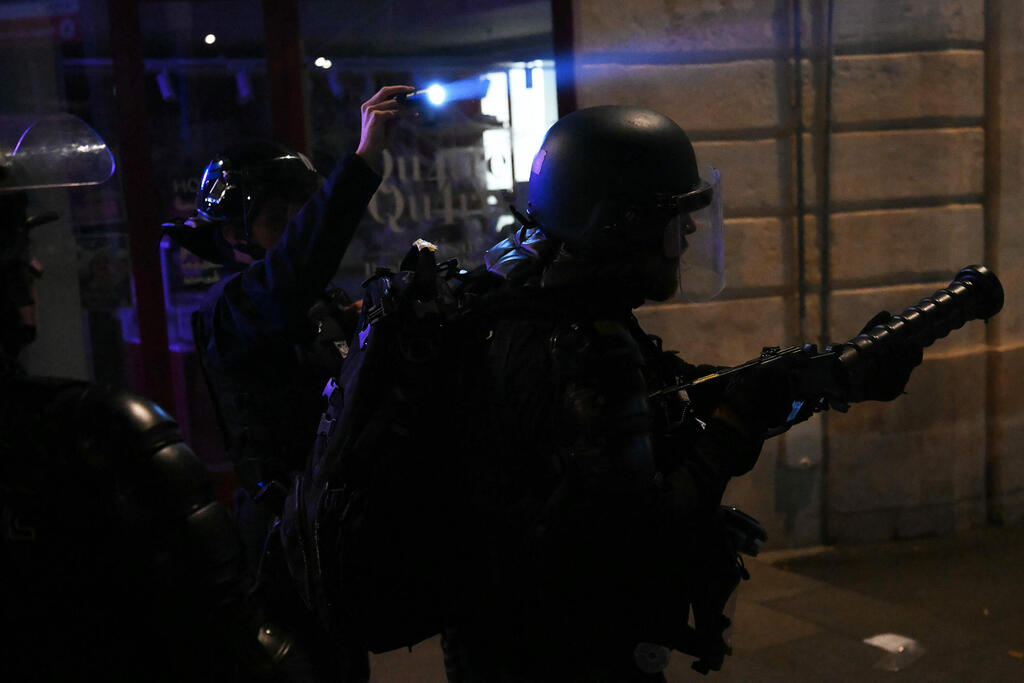
Most of Saturday's gatherings remained peaceful, although police used force in several locations. Officers dispersed groups of rioters at the end of a march in Paris and fired tear gas in Lyon and Toulouse, in southwestern France. Tensions also flared after unauthorized demonstrations in Marseille, France's second-largest city.
70,000 police deployed to prevent a repeat of deadly unrest
French authorities deployed a massive security force of 70,000 police officers and gendarmes following calls for a "revolution" and an "insurrection" circulating on social media ahead of the Halloween demonstrations. Officials also feared that some protesters would use masks and costumes to conceal their identities from police.
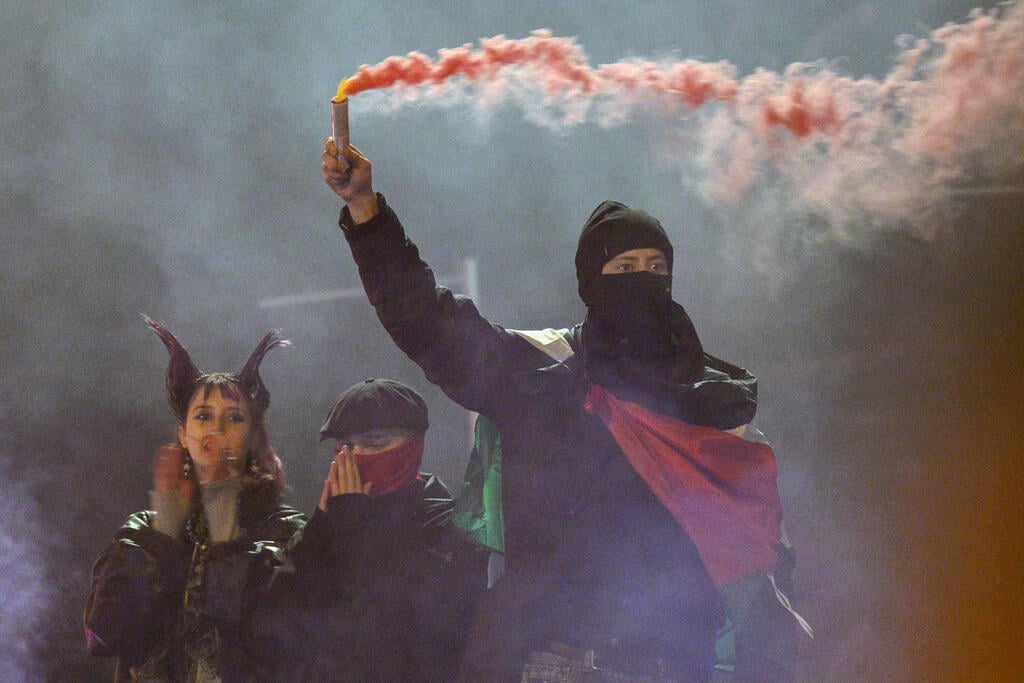
As they had the previous weekend, authorities banned marches in city centers in an effort to prevent a repeat of the violence and looting on October 17, when security forces were caught off guard and shops, public buildings and businesses suffered extensive damage in cities across France.
"Despite closed metro stations, a weeklong campaign of fearmongering by the establishment media and a last-minute change to the meeting point, turnout was just as strong this week," Jean-Luc Mélenchon, leader of the radical-left France Unbowed party (LFI) and a presidential candidate, wrote on X. Mélenchon participated in the demonstration in Paris.
(Photo: Alain JOCARD / AFP)
The protests were organized by high school and university students, the Yellow Vest movement and trade unions. An umbrella coalition of youth unions and organizations representing students claimed that nearly half a million people participated Saturday, including around 200,000 in Paris.
The figures differed substantially from the government's estimates. Last Saturday, authorities counted 410,000 demonstrators nationwide, while organizers claimed 800,000 had taken part.
(Photo: JEFF PACHOUD / AFP)
In Paris, some demonstrators carried signs reading "Climate and cost-of-living emergency" and "We don't want to spend our entire lives just making a living." Protesters marched along the only route authorized by police, passing through residential neighborhoods in the eastern part of the capital.
Clashes erupted toward the end of the demonstration, when objects were thrown at police officers, who responded by firing tear gas.
Halloween costumes, Palestinian flags and growing political tensions
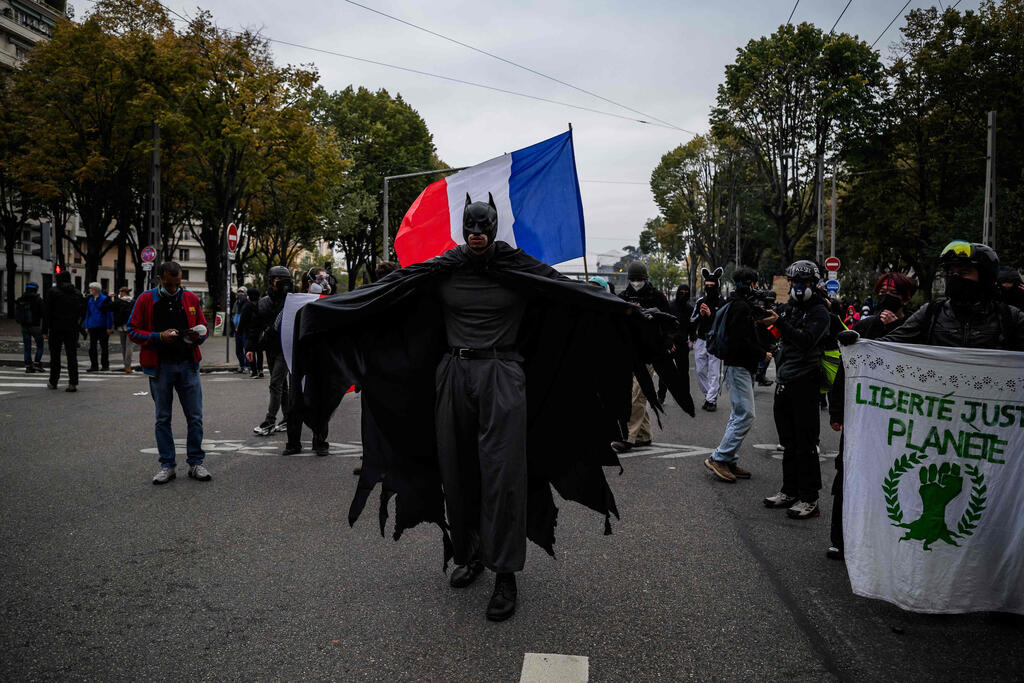
The Halloween timing gave many of the demonstrations an unusual appearance. Protesters dressed as Spider-Man, Frankenstein, the Joker, Batman and pirates marched alongside trade union banners, LFI signs and French and Palestinian flags.
"We say no to the rising cost of living, no to the far right. Yes to the demands of high school students, and yes to the voices of citizens," said Camille Green, a 31-year-old protester from Nantes in western France.
(Photo: Christophe ARCHAMBAULT / AFP)
Beyond the demands for more educational resources and relief from rising living costs, demonstrators also expressed concern about increasing racism in France following an attack in the Paris suburbs last week that left one person dead and seven others wounded.
The suspect admitted that he had specifically targeted people who appeared to be Muslim, African or North African. The attack further heightened tensions in France just six months before the presidential election, with far-right candidate Marine Le Pen leading opinion polls.
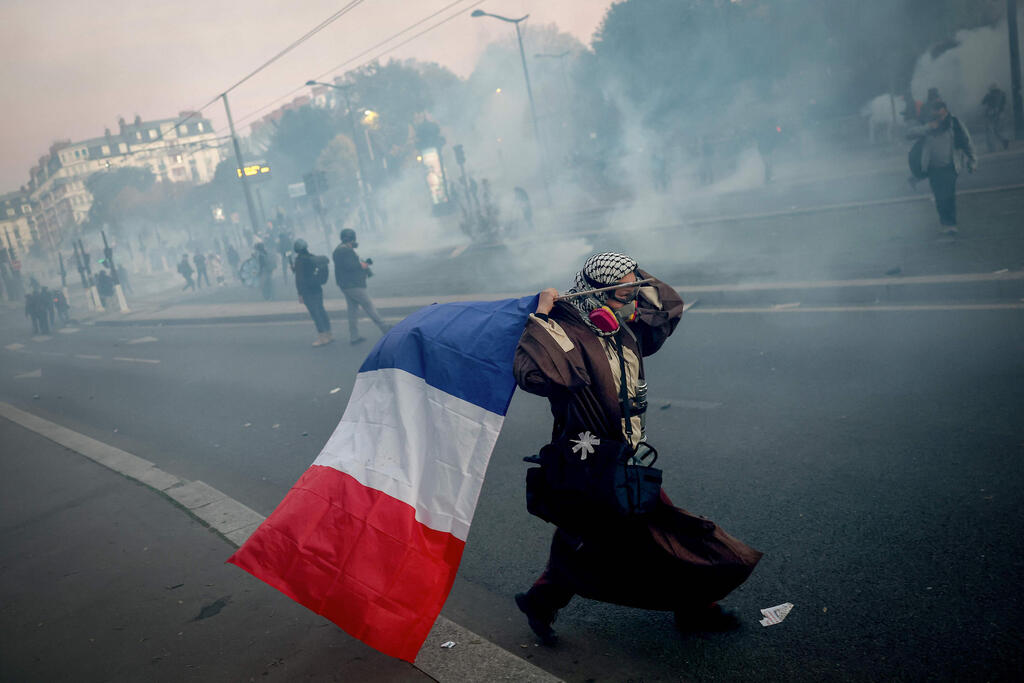
(Photo: Sameer AL-DOUMY / AFP)
Protesters across France also sharply criticized restrictions on demonstrations in city centers, accusing the government of undermining the right to peaceful assembly.
"It frightens me to see what is happening in this French democracy. A police state is taking shape," said Eloise, 35, from Toulouse, where demonstrations had not been legally authorized.
Since high school students began protesting in mid-September, numerous demonstrators, including minors, have been injured during police operations to contain the unrest.
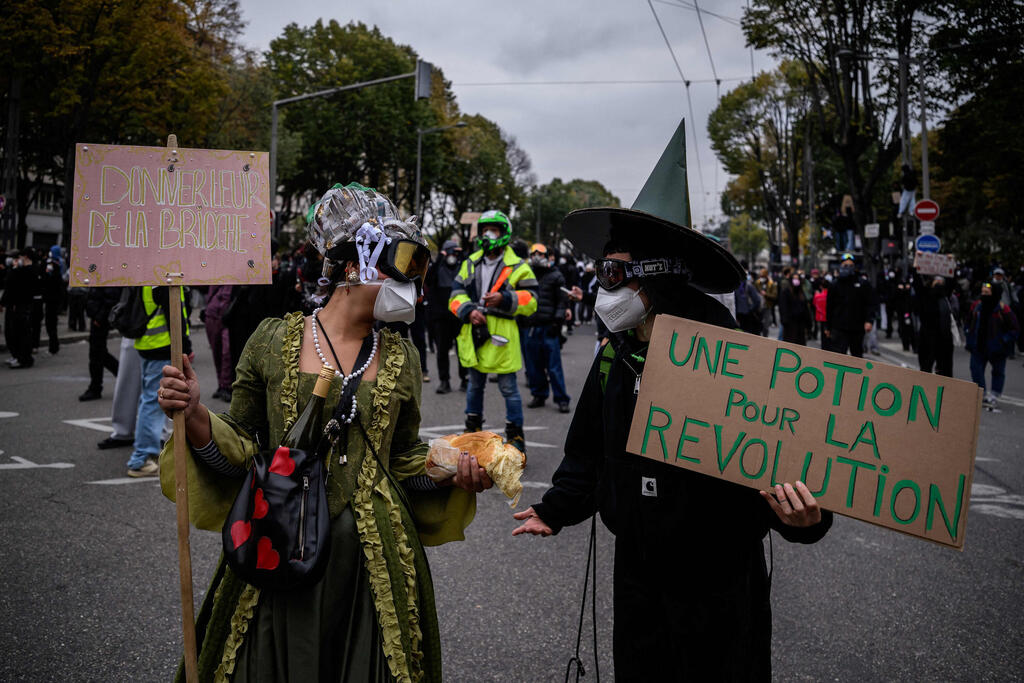
(Photo: JEFF PACHOUD / AFP)
In the northern city of Lens, a 15-year-old boy had his hand amputated after picking up a stun grenade thrown by police as a crowd-control measure, apparently intending to throw it back toward officers.
According to French Interior Minister Laurent Nuñez, 1,193 police officers and gendarmes have been injured during the demonstrations.
More than 2,700 arrested in earlier riots
The unrest reached its most violent point two weeks ago, when rioters attacked police officers with stones, assaulted passersby, set fire to garbage bins, vehicles and buildings, and looted or vandalized approximately 3,000 stores in Paris, Marseille, Lyon, Nice, Nantes, Limoges and other cities.
In Limoges, the historic city hall building was set ablaze. More than 2,700 people were arrested during the riots, and nearly 1,000 police officers were injured, some seriously.
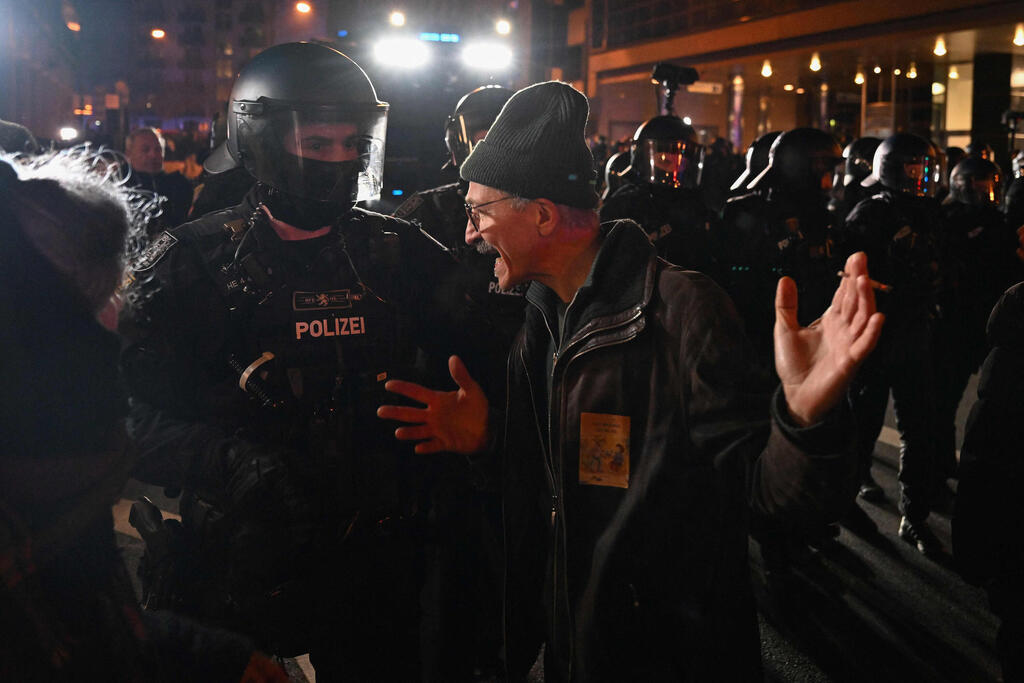
(Photo: Kirill KUDRYAVTSEV / AFP)
Macron and Prime Minister Sébastien Lecornu acknowledged failures in intelligence preparations ahead of the unrest, admitting that police had found themselves at a disadvantage when the riots erupted.
According to estimates by the French Chamber of Commerce, damage to businesses from the riots exceeds 1 billion euros. Other estimates put the total economic cost at twice that amount when uninsured damage and lost revenue are taken into account.
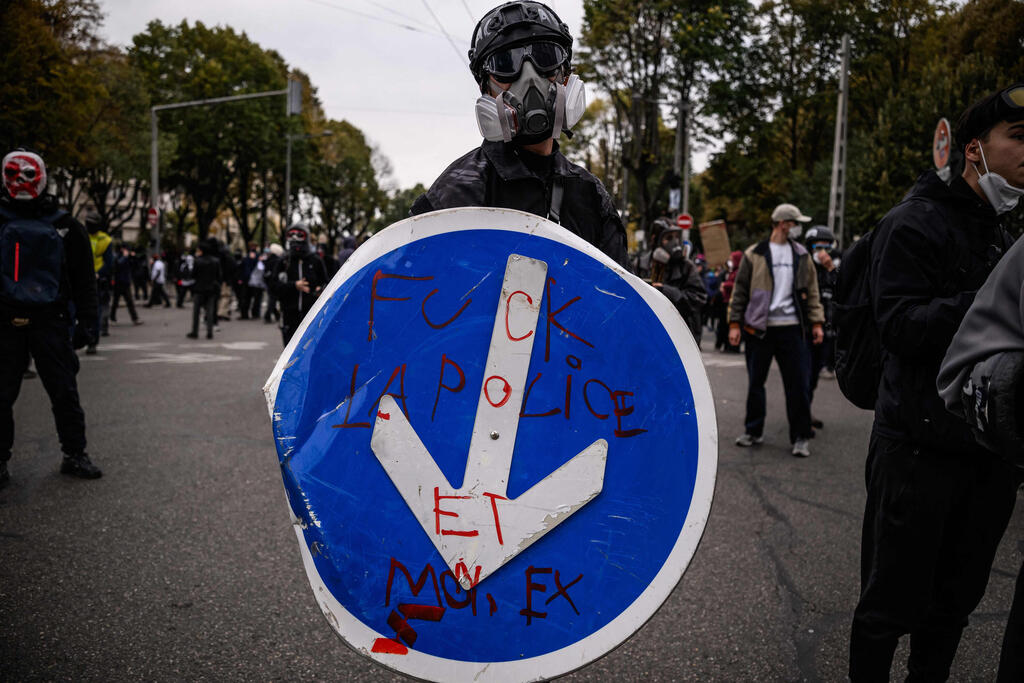
(Photo: JEFF PACHOUD / AFP)
The French government is meanwhile advancing controversial legislation that would require rioters to pay compensation of up to 10,000 euros for damage they personally caused or damage caused by groups to which they belong.
Human rights organizations and lawyers have warned that the proposed law could undermine the right to peaceful protest by imposing financial liability beyond an individual's own actions.
The French demonstrations have also inspired youth-led protests elsewhere in Europe, including Spain, Germany and Italy. Some of those demonstrations have also turned violent, although the disturbances have been considerably smaller than those seen in France.