

Hezbollah fired roughly 30 rockets into northern Israel on Tuesday as Israeli and Lebanese envoys held rare direct talks in Washington aimed at exploring a potential path toward de-escalation and a long-term agreement.
The rocket fire came as Israel continued military strikes against Hezbollah positions in southern Lebanon, including reported attacks on infrastructure in the village of Adshit. Israeli officials said Hezbollah had launched around 130 rockets from that area since the start of the broader conflict.
Footage of the surrender of Hezbollah terrorists and the Radwan Force in Bint Jbeil
(Video: IDF)


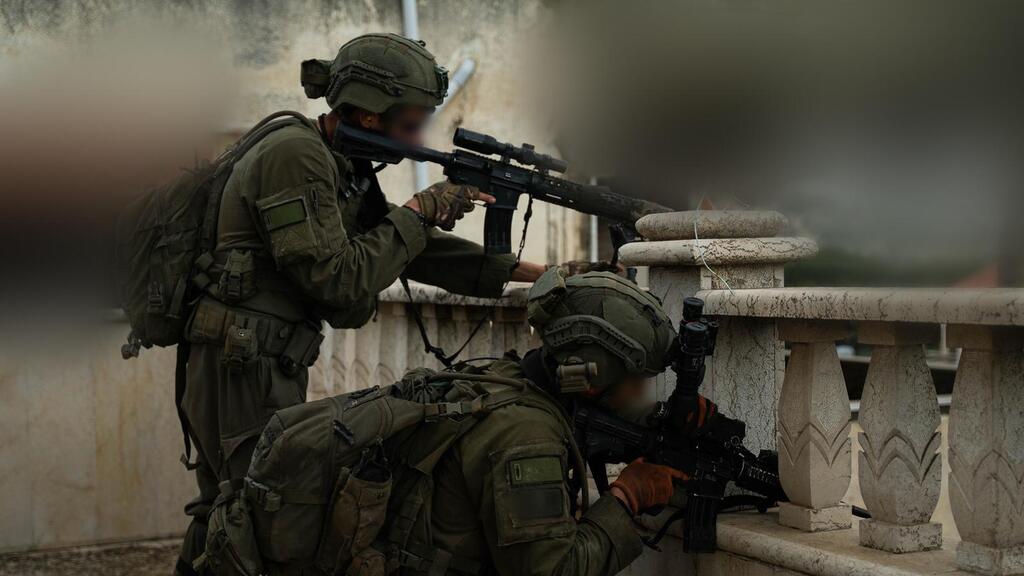
In addition, three Hezbollah terrorists, including one identified as a member of the elite Radwan Force, surrendered to Israeli troops following close-range combat in Bint Jbeil, the Israel Defense Forces said.
According to the IDF, troops engaged a Hezbollah cell during operations in the area and opened targeted fire during the exchange. At the conclusion of the incident, the three terrorists laid down their weapons and surrendered.
The detainees were transferred for interrogation by Israeli security forces. The IDF said its forces continue operations in the area aimed at eliminating threats and protecting Israeli civilians.
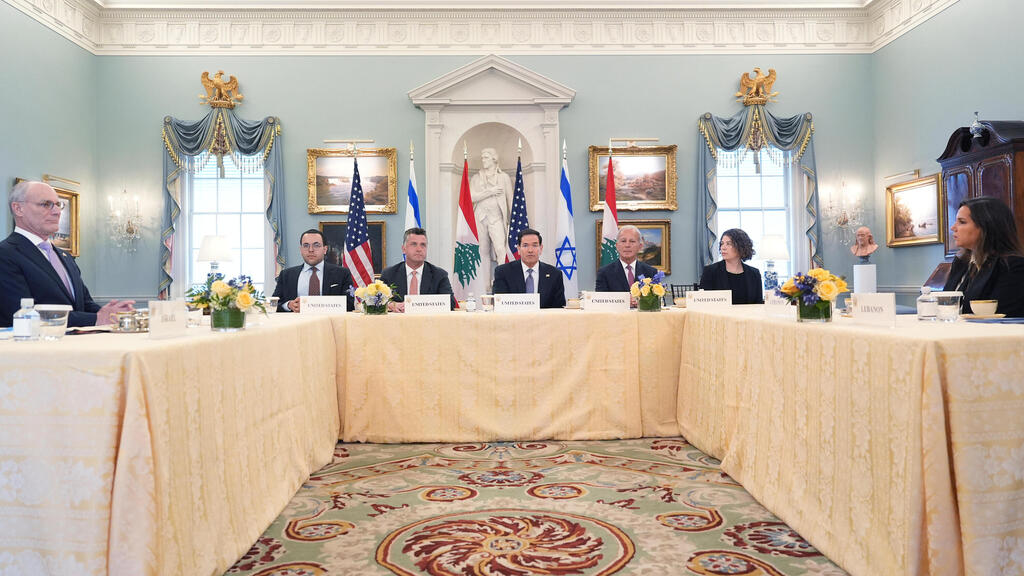
Negotiation meeting between Lebanon’s ambassador and Israel’s ambassador in the US
(Photo: AP/ Jacquelyn Martin)
At the same time, U.S. Secretary of State Marco Rubio hosted the meeting between Israel’s ambassador to the United States, Yechiel Leiter, and Lebanon’s ambassador, Nada Hamadeh Moawad, describing it as a “historic gathering.”
Rubio said he hoped the talks would establish a framework for a peace process, calling the effort “a process, not an event,” and emphasizing that it would take time but could help end the conflict and prevent Hezbollah from threatening Israel.
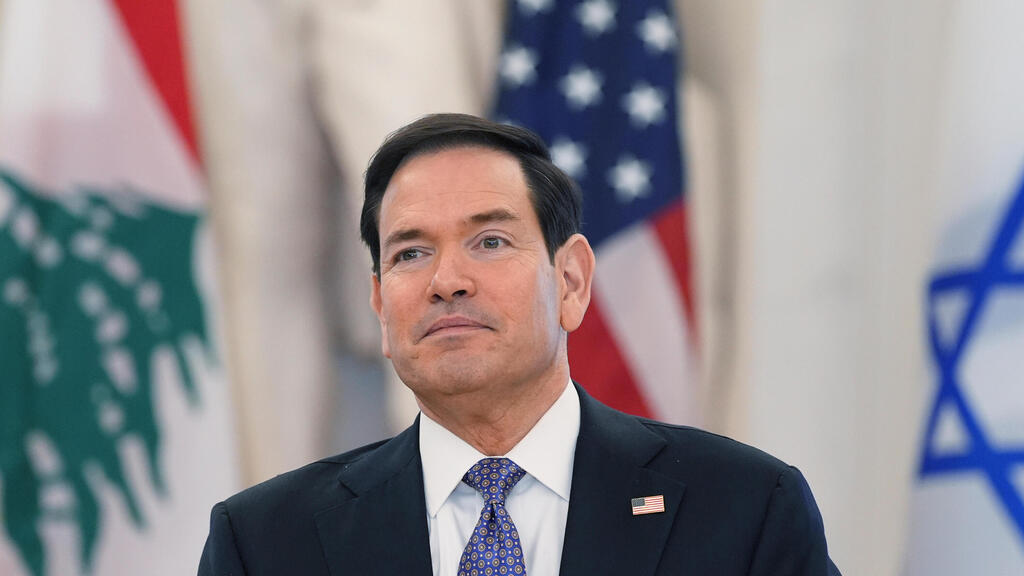
U.S. Secretary of State Marco Rubio
(Photo: Jacquelyn Martin/ AP)
The Washington talks mark the first open, U.S.-brokered engagement between Israeli and Lebanese representatives in more than 30 years. However, both sides entered the discussions with sharply different positions.
Israel has said it will not agree to a ceasefire as part of the talks and insists that Hezbollah must be disarmed. Lebanese officials, meanwhile, have said their delegation is only authorized to discuss a ceasefire, not broader normalization.
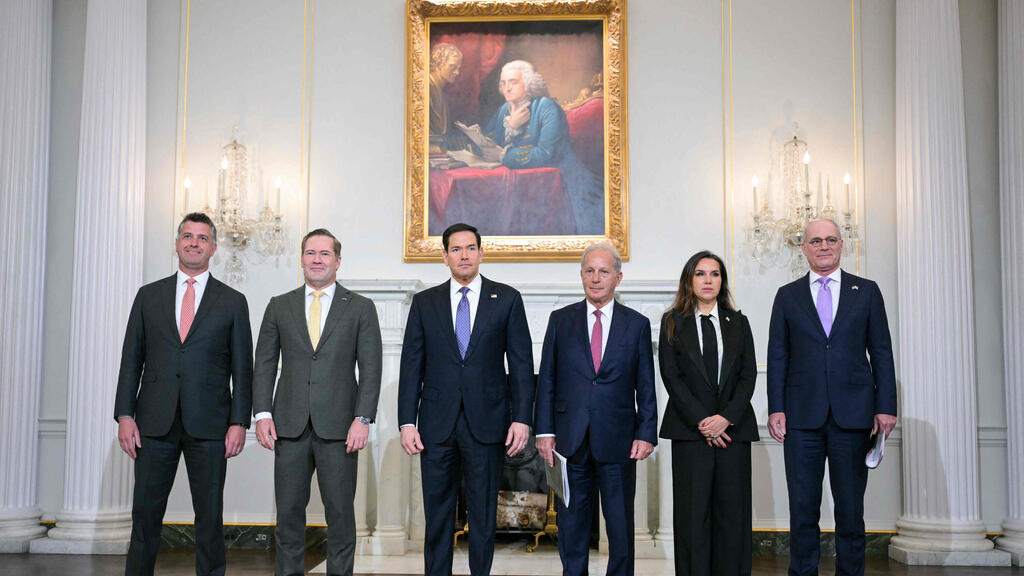
(Photo: Oliver Contreras/ AFP)
Hezbollah has rejected the negotiations outright and continues to frame its military campaign as support for Iran and opposition to Israel. The group has also threatened further escalation, including possible kidnappings of Israeli soldiers.
Despite the diplomatic breakthrough, fighting has continued in parallel. Israel says it will maintain its military campaign against Hezbollah while pursuing diplomatic channels, effectively treating both tracks separately.
The talks come amid broader regional tensions and ongoing international efforts to contain the conflict, which has displaced large populations in southern Lebanon and intensified cross-border violence.