

Shortly after the second Iran war began on February 28, U.S. President Donald Trump declared that Iran had been “totally defeated” and wanted a deal. Exactly five months later, uncertainty has only deepened.
Tehran has shown no sign of surrender, while Trump, facing competing domestic pressures and strategic interests, has avoided another major escalation. A further source of pressure will arrive Tuesday when Prime Minister Benjamin Netanyahu visits the White House to press Israel’s case directly.
Trump: 'I don’t need Bibi to tell me that. Bibi’s telling me that because he wants me to stay involved'
(Video: Fox News)


Trump: Iran wants to talk
Ahead of the meeting, Trump told Fox News that Pickaxe Mountain, the secret nuclear site where Israeli intelligence believes Iran has transferred centrifuges, was “not a big problem.”
Asked whether Netanyahu had spoken to him about work taking place at the site, Trump replied: “I don’t need Bibi to tell me that. Bibi’s telling me that because he wants me to stay involved.”
“I know exactly what’s going on at Pickaxe. It’s not a big problem. We took out their nuclear sites, and we’ll have to take out Pickaxe if we don’t make a deal. We don’t make a deal, we’ll take it out very easily,” he said.
Trump also said the United States could quickly destroy Iranian bridges and power plants, but stressed that he hoped to avoid doing so.
“It’s a very, very delicate balance. So I think we have a very strong position right now. They know I’m going to do that if they don’t make a deal,” he said. “We cannot have them break deals anymore. We have had some very good talks,” Trump added.
This will be Netanyahu’s seventh visit to the United States since Trump began his current term. Unlike previous meetings, however, the familiar script of red carpets, handshakes and coordinated public messages is no longer assured. Relations between the two leaders have changed substantially since the war began.
An American official and an Israeli source told CNN that Netanyahu had spent several weeks seeking an invitation to the White House so he could discuss the course of the war and warn Trump against making diplomatic concessions to Iran.
The U.S. official said White House aides were frustrated by what they viewed as Israeli attempts to secure the meeting through media leaks and effectively force it onto Trump’s schedule. The funeral of Sen. Lindsey Graham eventually provided Netanyahu with an opportunity to travel to Washington.
According to the Israeli source, Netanyahu intends to present Trump with new intelligence on Iran’s military rebuilding efforts and the state of its nuclear program. The source nevertheless assessed that Trump has little appetite for renewing a full-scale war, at least before the U.S. midterm elections in November.
American officials who spoke with CNN said Trump was well aware of the political pressure Netanyahu faces ahead of Israel’s October election and understood that his support could prove decisive. Trump has long been one of Netanyahu’s most valuable political assets. With the election approaching, Netanyahu’s ability to demonstrate continuing influence in Washington remains highly important.
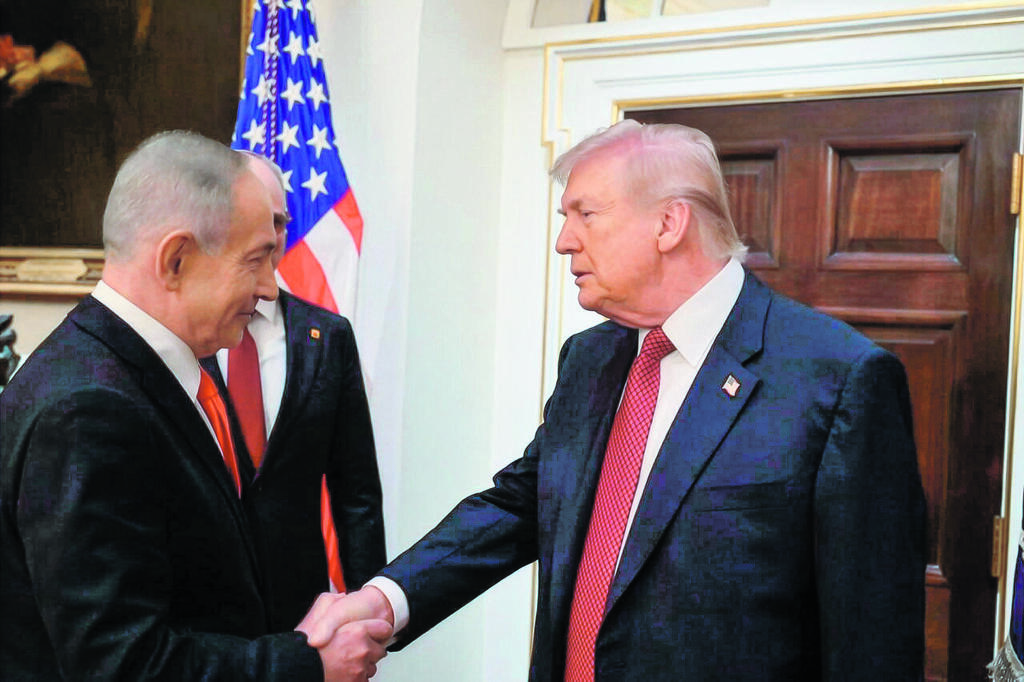
“Netanyahu’s goal is to move from the war to other issues, such as a security agreement and perhaps normalization with Saudi Arabia, and to ensure he is coordinated with Trump on matters he can use during the election campaign,” the Israeli source said. The source added that Netanyahu believes direct talks with Trump could bypass disagreements within the U.S. administration.
Eighteen U.S. service members have been killed in the war, which the Pentagon estimates has cost $37.5 billion so far. “We’re talking now,” Trump told reporters aboard Air Force One.
Five months after claiming a decisive victory, he said Iran had been badly damaged in the previous two weeks and had approached Washington asking for the fighting to stop and negotiations to resume. Iran quickly denied the claim.
Even after failing to achieve his objectives during the preceding months or in the latest two weeks of exchanges, it remains unclear why Trump expects renewed negotiations to produce better results.
The president continues to insist that U.S. strikes forced Iran to seek talks. Tehran, however, has given no indication that it is prepared to offer new concessions or even negotiate directly with Washington.
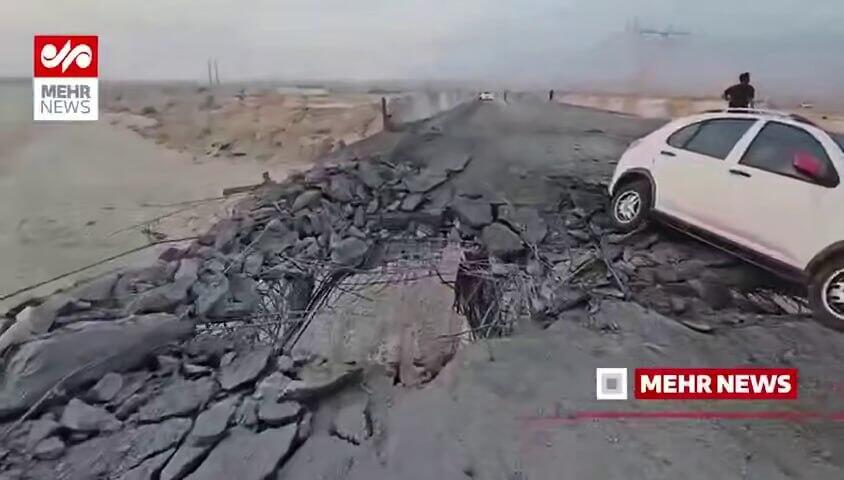
Bridge struck in Iran
Last week, Trump again threatened to expand attacks against Iran, including strikes on infrastructure, bridges, power plants and Pickaxe Mountain. He ultimately pulled back after senior officials warned that the United States was beginning to face shortages of missile interceptors and other essential weapons.
“The Iranians know Trump’s timelines are shorter than theirs,” Dana Stroul, who oversaw Middle East policy at the Pentagon during the Biden administration, told The New York Times.