

Police announced Monday that they had seized 93 million shekels ($25.4 million) from accounts belonging to Menora Mivtachim and another 93 million shekels ($25.4 million) from the personal accounts of five senior company officials, in a new development in the Histadrut corruption investigation. Additional property was also seized.
The case is being investigated by the National Fraud Investigation Unit at Lahav 433. Police said several Menora executives, some of whom were questioned earlier in the case, are expected to be summoned this week for further questioning. According to police, findings gathered so far have strengthened the suspicions against those involved.
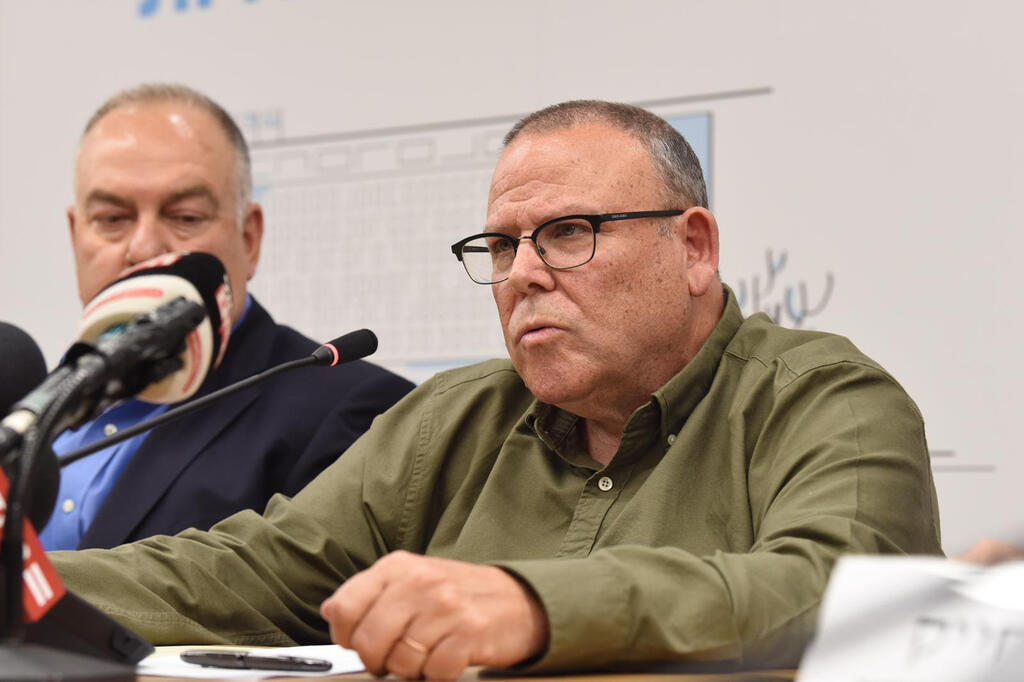
Police said one of the sub-cases under investigation concerns Menora, which is suspected of promoting the signing and renewal of a medication insurance policy with the Histadrut labor federation while providing benefits and payments to insurance agent Ezra Gabai. Investigators suspect Gabai was paid because of his ability to influence Histadrut chairman Arnon Bar-David to advance and periodically renew the policy, in order to increase the company’s profits.
In December, Lahav 433 investigators searched Menora’s offices and detained three senior officials for questioning on suspicion of company involvement in the Histadrut corruption affair. The three were suspected of bribery and of being aware of the actions attributed to Gabai.
A senior official involved in the investigation said Gabai’s presence in the contract as insurance agent was allegedly intended to ensure that the Histadrut chose Menora rather than other insurance companies. “According to the suspicion that emerges from the investigation, Histadrut chairman Bar-David made sure the policies went to Menora, policies with premiums that brought Menora tens of millions and Ezra many millions in commission,” the official said.
The official said the medication policy, which covered drugs outside the public health basket, was renewed over the years even though professional officials in the Histadrut believed it was not worthwhile for members.
“According to our suspicion, which is quite well founded, Bar-David pushed to move ahead with the policy,” the official said. “Gabai presented it to senior Histadrut officials because he was working with Bar-David, and that is how everything was arranged every year.”
The official added that Menora executives who were questioned under caution several months ago had authorized Gabai to act as the policy’s agent. “The entire payment was an intermediary factor for bribery benefits for Menora and its executives,” the official said. “The suspicion is that Gabai did not act as an agent but as a fixer who made sure the Histadrut, with Bar-David’s backing, insured with Menora. Gabai did not provide any service to Histadrut employees or affiliated bodies. We are examining how Gabai was employed during part of the period when his agent license had been revoked.”
The senior official said the Menora-related suspicions emerged during the broader Histadrut investigation, and that senior company officials are expected to be questioned in the coming week.
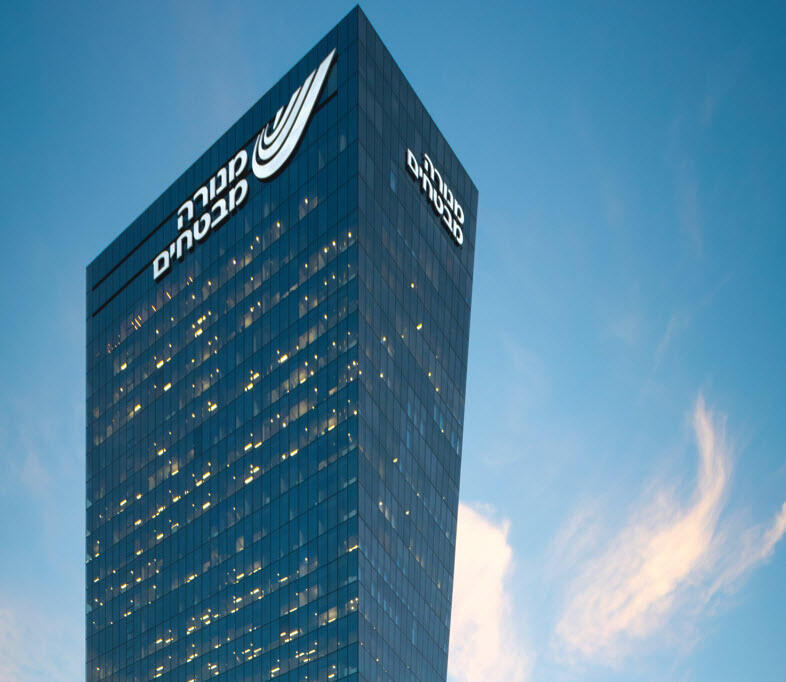
Menora Mivtachim Tower
(Photo: Menora Mivtachim)
“This is an economic seizure in the company’s accounts, in the nostro account, not in members’ accounts,” the official said. “The company was notified and is expected to report the seizure of the sums in its accounts to the stock exchange. We seized funds at the highest level of the company, the decision-making level.”
The official added that the evidence at this stage is strong. “We have the evidentiary ability to prove the suspicion of bribery benefits,” the official said. “The money seized, or property of equivalent value, is marked as the scope of the offense that brought tens of millions into the company’s coffers. We have good evidence that Menora used Gabai to cause the Histadrut to take out the policy. Gabai activated Bar-David, his partner in the affair, so that he would make decisions ensuring the policy would be with Menora.”
Bar-David has since returned to his position as Histadrut chairman, but he is barred from dealing with insurance-related matters. He is also expected to receive another summons for questioning at Lahav 433’s offices. According to an investigative source, “Bar-David is giving answers that are somewhat difficult to reconcile with the evidence we have.” The investigation is expected to be completed in several months.
The suspected Histadrut corruption affair was revealed last November, about two years after the undercover investigation began. The investigation attributes suspicions of bribery, fraud and breach of trust within the Histadrut and the public sector to those involved.
According to the suspicions, businesspeople and insurance agents operated a system of benefits and payments to senior officials in the organization. In return, the officials allegedly promoted business interests, including the signing and renewal of insurance policies and expensive medication coverage in the Histadrut. In addition to Bar-David and Gabai, their relatives, Histadrut employees, businesspeople, elected officials and Minister Miki Zohar have also been questioned in the case.