


The United States said it expects Iran to respond Friday to a proposal to end the war, but Tehran appeared in no hurry to answer as exchanges of fire continued near the Strait of Hormuz and Iranian officials mocked Washington’s efforts to pressure them.
U.S. Secretary of State Marco Rubio said Washington hoped Iran’s response would be “serious.”
US strikes on tankers in Hormuz
(Video: CENTCOM)


In Tehran, however, officials continued to issue threats. “All of America’s plans to control the Strait of Hormuz failed today,” said Gholam-Hossein Mohseni-Ejei, head of Iran’s judiciary. “The ships of the Great Satan no longer even dare approach the strait.”
Meanwhile, the Institute for Science and International Security said in a new report that Israeli and U.S. strikes during the war significantly damaged Iran’s ability to produce a nuclear weapon, contradicting reported U.S. intelligence assessments.
The institute, which analyzed satellite images of Iranian nuclear sites, said at least six facilities hit during the war were linked to Iran’s nuclear program. Three additional targeted sites may also have been connected, though there was not enough information to determine that with certainty.
According to the report, between six and nine recently struck sites were nuclear-related. Of the sites examined, between four and seven were directly or indirectly tied to nuclear weapons production.
The report said Israel’s second phase of strikes focused more directly on Iran’s ability to build nuclear weapons. Some of the targeted sites had not previously been disclosed, the institute said, and shed light on the scope of Iran’s nuclear weapons activity.
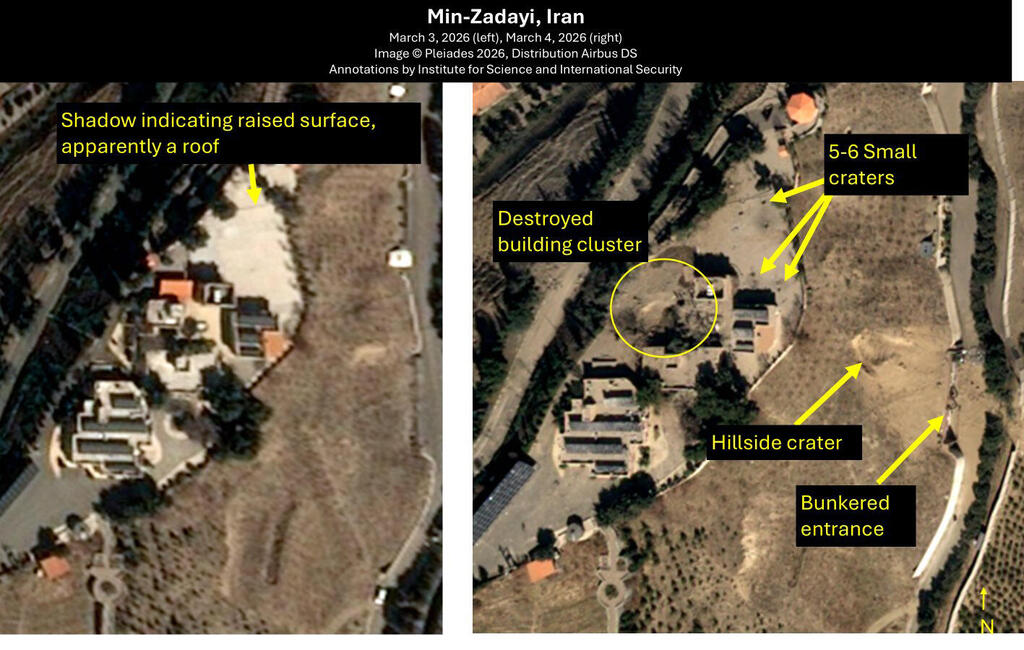
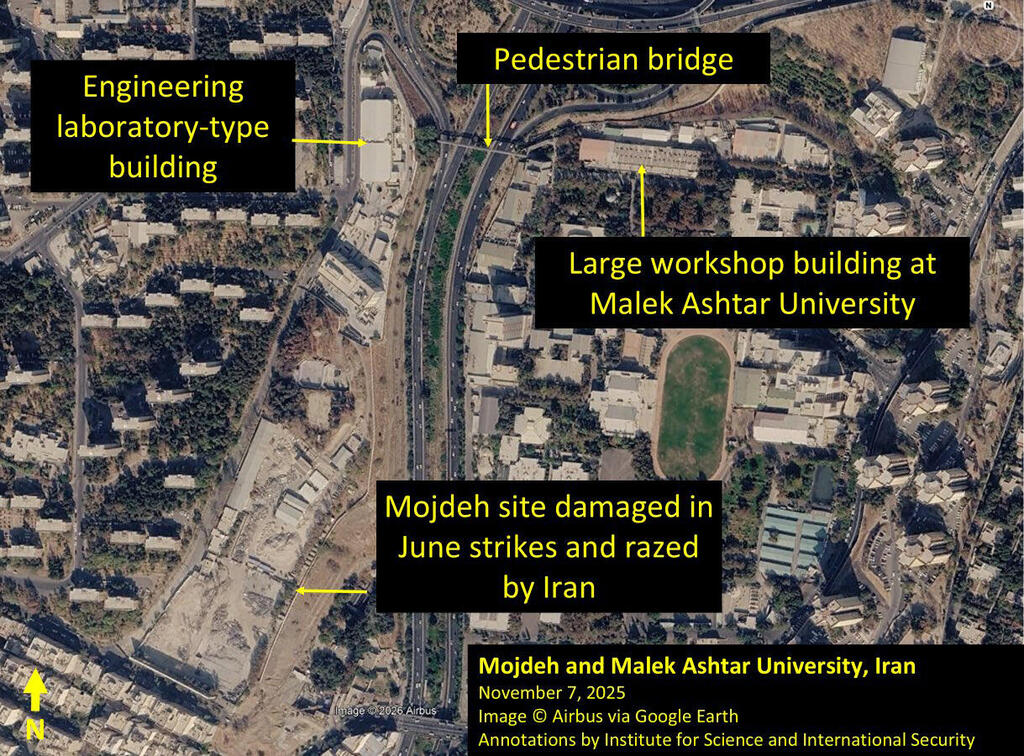
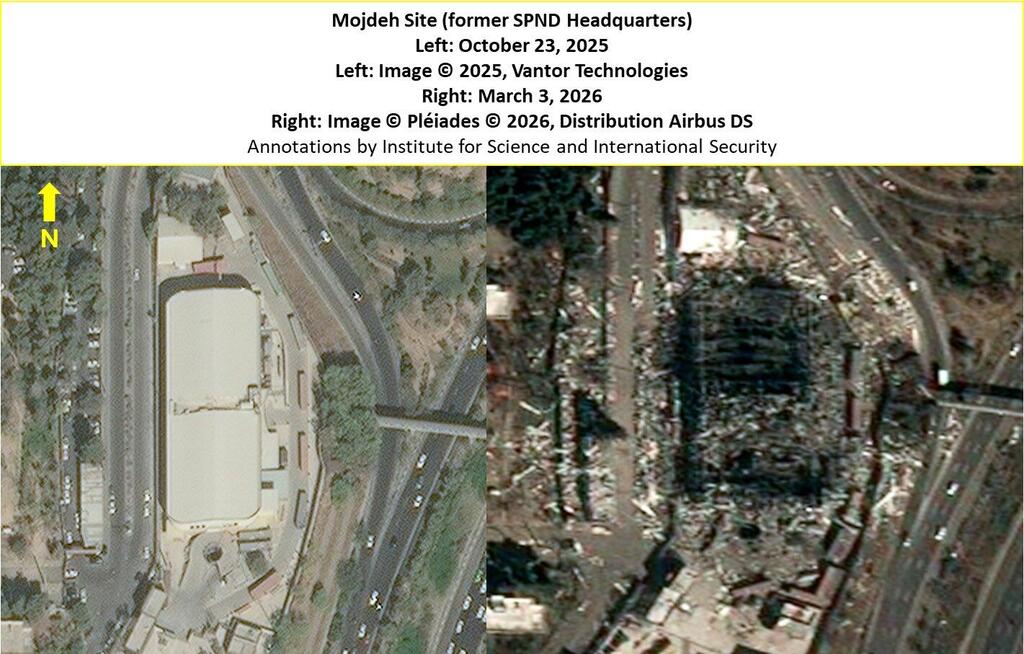
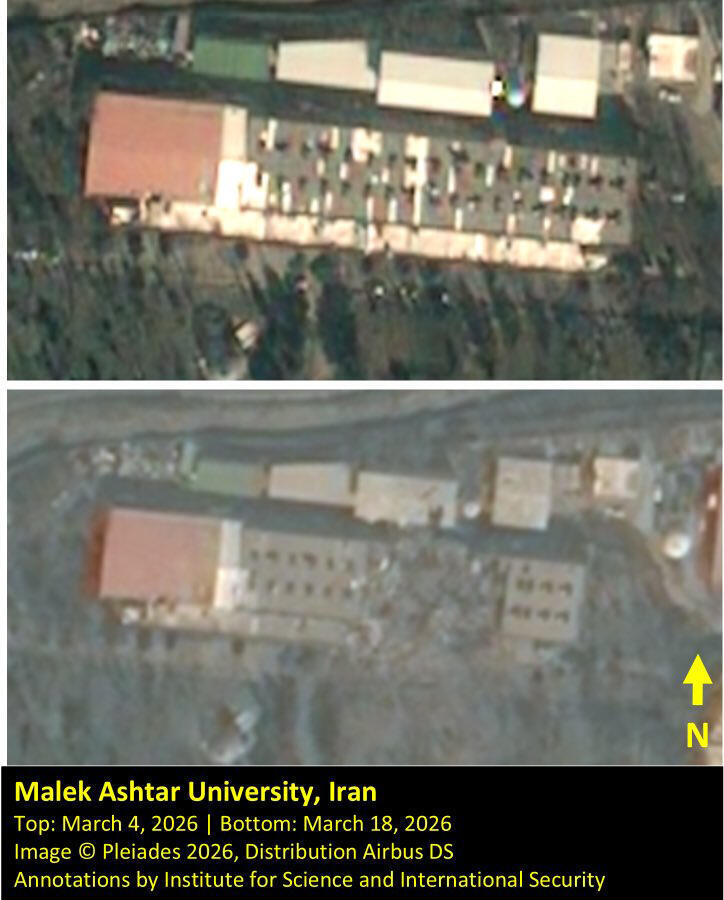
Five nuclear weapons-related sites were struck in June 2025 during Operation Rising Lion, the report said. Across two rounds of the war, between nine and 12 sites involved in developing and building nuclear weapons were hit.
The institute said the strikes pushed Iran further away from the ability to produce a nuclear weapon. It said reports that the U.S. intelligence community assessed the war did not delay Iran’s ability to develop a nuclear weapon do not match the damage visible in satellite imagery.
While Iran’s new regime may be more motivated to decide to build a nuclear weapon, the report said, its ability to do so has been badly damaged. The strikes significantly extended the time Iran would need to complete weapon production and increased the risk of failure.
Before the 12-day war nearly a year ago, various estimates said Iran could produce a nuclear weapon not yet deliverable by missile in less than six months. The institute said Iran would now face much greater difficulty if it tried to do so in the coming months, and its chances of success within nine months, a year or even two years are now far lower from a technical standpoint.
“The risk of failing to build a nuclear weapon may serve as a deterrent against a decision to try,” the report said.
First published: 23:43, 05.08.26