

Shock. Absolute shock. Orban’s own concession, the speed and scale of the result, and his immediate pledge to support his country were all too much to process — along with 16 years of disbelief or fear of protesting the government.
There were no loud celebrations when the news broke. Older men and women embraced or wiped away tears. It felt like an earthquake. Opponents of Prime Minister Viktor Orban reacted to his defeat by opposition leader Peter Magyar like survivors of a plane crash.
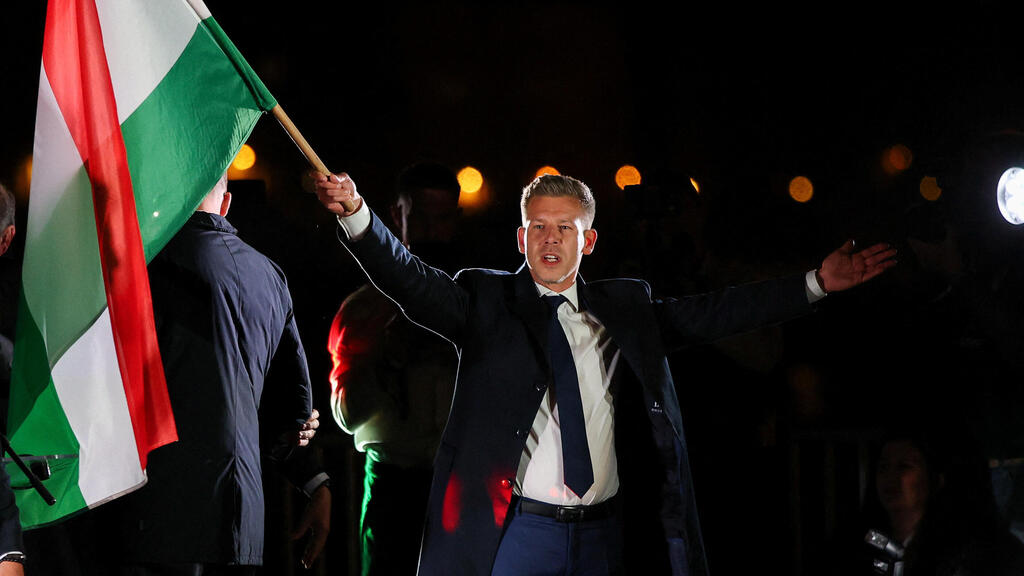
After a few minutes, the tension broke. Cars began honking. “If we had lost, I would have packed a suitcase and taken the first train out of Hungary,” said Nora Meszaros, a 21-year-old student. “Not just because of another loss, but because I would have been sure our people were stupid — able to believe that Ukraine, fighting for its survival against Russia, was planning to invade Hungary. But it turns out our people are not that stupid. We can stay and rebuild everything.”
Meszaros and her peers were the driving force in the streets, squares and polling stations. More than 70% of young voters backed Magyar. Hungary’s Gen Z may not have taken to the streets in protest or clashed with security forces as seen elsewhere, but they “shouted at the ballot box,” delivering a dramatic political upheaval despite the full weight of Orban’s political machinery working against them.
Older voters reacted more cautiously. Celebrations and messages of support from across Europe resonated less, as did reported interference from Russia and the United States ahead of the vote.
“Anything was better than Orban, that’s for sure, but we know this is only the first step. There’s a lot of work ahead — many wounds to heal, much distrust to rebuild,” said Ferenc Kovacs. “We’re celebrating, but then it’s back to work. We need to return to the Western world and rebuild our state institutions.”
The stakes of the election were reflected in turnout, with nearly 80% of eligible voters casting ballots — the highest since Hungary became a democracy.
“Now that the election went the way the European Union wanted, Hungary is suddenly a democracy?” said a woman named Hanna in a square where Orban supporters watched results coverage. “I think these are very bad results for Europe. We don’t want Europe’s values, and we need energy from Russia. It will also be interesting to see how Putin responds. We are now caught between Putin’s interests and those of the European Parliament.”
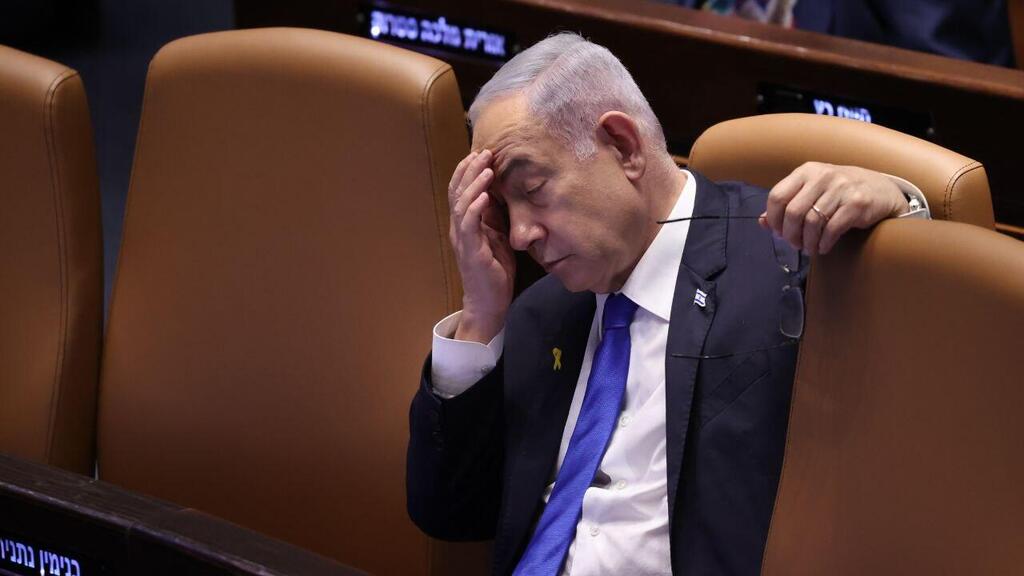
Benjamin Netanyahu; what do the results mean for Israel?
(Photo: Alex Kolomoisky)
“I’ll leave those frustrations to others,” Meszaros responded. “Tonight we celebrate the rebirth of democracy in Hungary. We celebrate that we no longer have to be ashamed to present ourselves as Hungarians. People in the West may not understand this, because for them it’s obvious. People my age in Hungary don’t really know what democracy is. My first thought after hearing the results and Orban’s concession was that until now I had only learned about history — now I am living it for the first time. One day I’ll tell my children where I was on April 12, 2026.”
“Look at Hungary’s modern history,” said Edith, an older woman celebrating along the Danube with her family. “Every 35 years something dramatic happens — the 1956 uprising, the end of communism in 1991 and now these elections. Now the test is ours. In the previous two moments we rose up against attempts to suppress us. Those were moments of pride. But in the 35 years of democracy, we failed. Now begins our greatest test — to prove we can sustain a democracy.”
What the election results mean for Israel
A former senior Israeli diplomat familiar with relations with the European Union explained the implications of Orban’s defeat.
“Until a few years ago, Greece was the country that consistently blocked anti-Israel measures in EU institutions. Not all Greek diplomats liked it, but that was government policy. In 2016, due to dependence on EU funding and decisions, Greece stepped back, and Hungary took its place — without any request from us, for its own reasons. So those who say Israel is losing a loyal ally in the EU may be right, but it remains to be seen who, if anyone, will replace it.”
He added: “Hungary’s support — a country not well-liked within the EU — did not necessarily improve our image. I can think of several more mainstream European countries that could fill that role. What matters most is that Germany and Italy block harmful measures against us. In 2025, those two countries did exactly that. As long as Merz is chancellor, the risk of sanctions against Israel remains low, at least until our elections in October. The bottom line is not what Europe does, but how Israel conducts itself.”