


Defense Minister Israel Katz's announcement Friday morning, amid clashes in Qusra, that he had instructed the IDF to prepare a plan to transfer all enforcement powers involving Israeli civilians to the police sparked an uproar in both the military and police.
Law enforcement officials in the area say the initiative follows recent incidents that have damaged the army's image. A senior officer in the West Bank police district said the move was ultimately intended "to shift criticism from both the right and the left on this issue from the army to the police."
Gallery
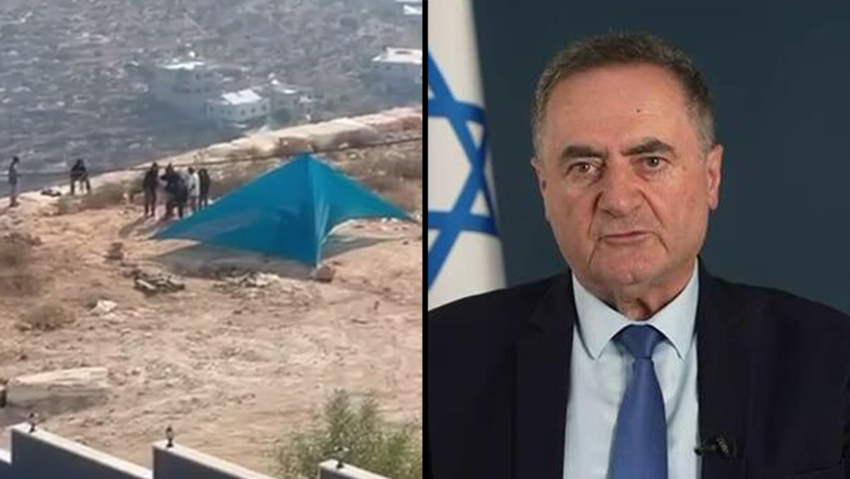
Israel Katz and the encampment reestablished Friday morning in Qusra
(Photo: Elad Malka, Defense Ministry)
Why is a special division of authority needed at all?
The West Bank is divided into three types of areas, each with a different allocation of responsibility. According to police officials, under law enforcement procedures in the West Bank, the IDF — as the sovereign authority in Areas A and B — is responsible for preventing violent incidents there.
Israel Police is responsible for investigations, sometimes with assistance from the Shin Bet security agency, while in Area C the police are responsible for law enforcement and maintaining public order in Israeli communities.
The division becomes especially complicated when an incident begins in one area and continues into another, or when Israeli civilians are involved in an incident in a Palestinian area.
Security officials have previously said IDF soldiers are not trained to arrest Israeli civilians, while police must coordinate their entry into Areas A and B, potentially delaying their arrival at the scene and hindering evidence collection.
So what has changed?
The move reported Friday morning does not mean police have been given blanket responsibility for all of Areas A and B or that the IDF is withdrawing from them.
Overall responsibility remains with the IDF's Central Command, but the West Bank Border Police is expected to take on the main operational burden in handling incidents of nationalist crime.
The goal is to create a force better trained in enforcement operations, arrests and evidence collection, rather than requiring soldiers to carry out policing duties.
The change is also significant in terms of resources. Establishing a dedicated force requires manpower, budgets and equipment, as well as adjustments to operating methods.
At the same time, when police enter Areas A and B, the security situation still requires IDF involvement. In other words, even if police officers are the professionals carrying out enforcement, that does not mean the military is no longer involved in securing the operation.
What does this have to do with agricultural farms?
One explanation for the move is the change in the nature of Jewish settlement in the West Bank in recent years. Alongside long-established communities, there are agricultural farms and small settlement outposts scattered across large areas, creating different security and law enforcement needs.
According to material provided to ynet, there are more than 160 such farms, and dealing with them requires a different operational approach from that used inside a community or urban settlement.
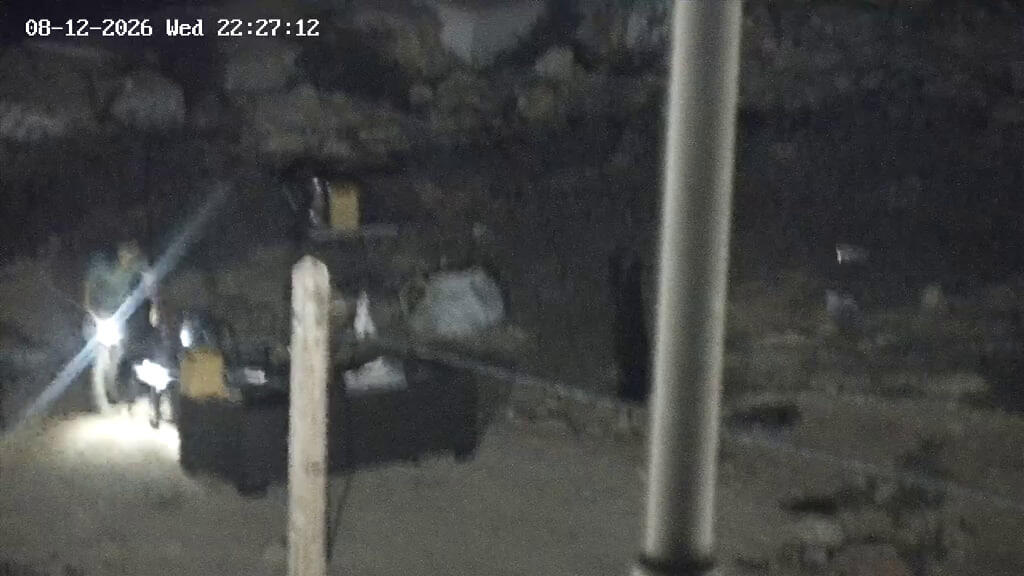
Footage from the standoff involving far-right activists in Qusra
This means police are required to respond not only to criminal incidents, but also to a reality in which Israeli civilians are located in relatively isolated places, sometimes close to Palestinian communities.
That sharpens the question of where the line lies between a military mission and a policing mission — and, above all, who should be the first authority to arrive at the scene.
What does this have to do with the events in Qusra?
The disorder in Qusra illustrates the complexity clearly. The village is in Area B, meaning security activity there falls under IDF responsibility, while police handle criminal investigations.
In the latest incident in Qusra, IDF and Border Police forces arrived to serve an arrest warrant on a Jewish teenager. The teenager and several others fled to an abandoned house, where a confrontation developed with the forces. Dozens of young people were at the scene, riot-control measures were used and one civilian was injured.
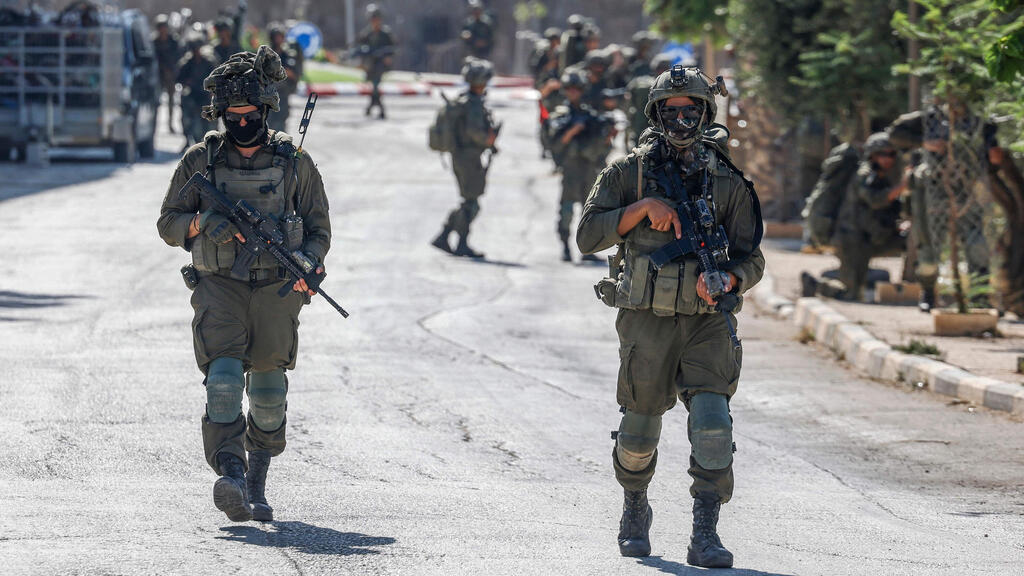
IDF soldiers operating in the village of Qusra
(Photo: Zain Jaafar/AFP)
Previous incidents in the village also highlighted the difficulty. After a clash between settlers and Qusra residents in which Palestinian Amir Odeh was killed, officers from the West Bank police district arrived at the scene with an IDF escort to collect evidence and other findings.
Is responsibility being transferred from the IDF to the police?
Not entirely. That may be the main point to understand. The reported change is an attempt to alter how forces are deployed and which professional body carries out enforcement actions, primarily through the West Bank Border Police.
The IDF will remain a central player in the security reality of Areas A and B, and in many cases police operations will still require military protection and escort.
Police stress that they had not previously abandoned enforcement in Areas A and B either. According to police figures, since the beginning of 2026 about 200 suspects have been arrested in connection with nationalist crime and more than 50 indictments have been filed.
The dispute, then, is not only about who will arrest suspects in Qusra. It concerns a broader question: How does Israel intend to enforce the law in an area where military, police and civilian authorities operate simultaneously, and what happens when the boundaries between those spheres become blurred on the ground?
As noted, some in the law enforcement system believe the change is not intended primarily to ease the burden on forces in the field, but rather to address growing criticism of the army's handling of incidents of Jewish violence.