

A new U.S. drone squadron deployed to the Middle East was built by reverse-engineering Iran’s Shahed-136 attack drone, according to a Wall Street Journal report, marking an unusual move for the American defense industry and underscoring Washington’s push to field cheaper strike capabilities against the kinds of systems used by Iran and its proxies.
The model—designated FLM-136 and manufactured by Arizona-based SpektreWorks—is now operating under CENTCOM’s newly created Task Force Scorpion Strike, the command said Wednesday. CENTCOM confirmed the deployment but did not disclose the location, describing the drones only as LUCAS systems, short for Low-cost Unmanned Combat Attack System.
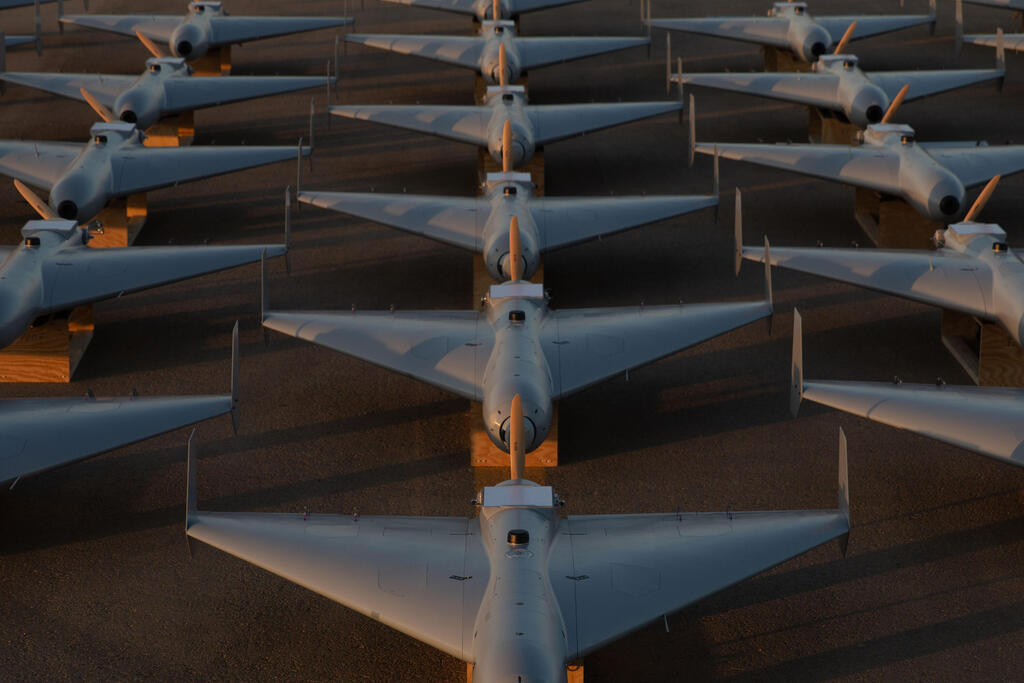
(Photo: CENTCOM)
CENTCOM said the task force was established four months after Secretary of War Pete Hegseth ordered an accelerated drive to field affordable drones as part of the Pentagon’s Drone Dominance initiative. The effort aims to equip every U.S. military unit with low-cost attack drones by the end of fiscal year 2026.
The LUCAS drones have “an extensive range” and can fly autonomously with minimal human involvement, relying on sensors and artificial intelligence to reach their targets. They can be launched from catapults, rocket-assisted systems, ground platforms or vehicles. The Pentagon has said each drone costs about $35,000, far cheaper than systems such as the MQ-9 Reaper, which costs roughly $16 million and has been shot down repeatedly in recent years, including by the Houthis in Yemen.
Iran and its proxies have used Shahed-136 drones in numerous attacks across the region, including against Israel, and Russia has relied heavily on them in Ukraine. The American decision to reverse-engineer the Shahed—typically a tactic used by U.S. adversaries, not by Washington—marks a notable shift in U.S. defense procurement.
“This new task force sets the conditions for using innovation as a deterrent,” CENTCOM commander Adm. Brad Cooper said. “Equipping our skilled warfighters faster with cutting-edge drone capabilities showcases U.S. military innovation and strength, which deters bad actors.”
CENTCOM said the squadron is being built by personnel from Special Operations Command Central and is aligned with a broader technology push launched in September to accelerate the delivery of emerging capabilities to deployed forces.