

Wafiq Safa, one of Hezbollah’s most senior and influential officials and a longtime confidant of former secretary-general Hassan Nasrallah, has resigned from the Lebanese terrorist group, according to multiple reports Friday citing sources familiar with the group’s internal deliberations.
Safa, who for decades headed Hezbollah’s liaison and coordination unit and was widely known as Nasrallah’s “special negotiator,” is the most high-ranking figure to step down in the Shiite organization’s history.
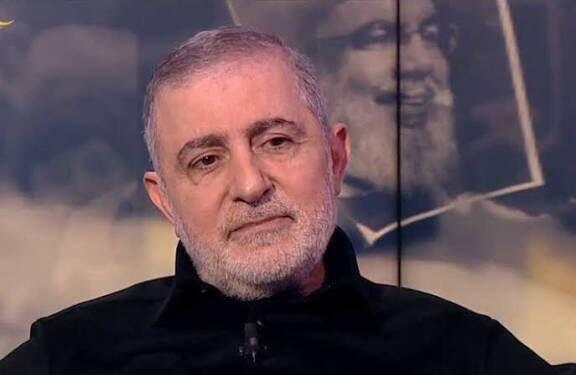
His resignation, reportedly accepted by Hezbollah leadership, marks a significant shift inside the group’s upper ranks amid ongoing efforts by current Secretary-General Naim Qassem to restructure key institutions.
Last month, Saudi outlets Al Hadath and Al Arabiya reported that Safa had survived at least one assassination attempt during the war with Israel, and that his role was being scaled back as part of internal party reforms. Qassem is said to be pushing for a new generation of leadership, sidelining veterans like Safa and narrowing their responsibilities.
Saudi media, citing sources within Hezbollah, claimed Safa’s resignation came amid mounting criticism and internal discontent. The organization is reportedly undergoing a gradual restructuring, and Safa’s successor is expected to adopt a more moderate tone in dealings with the Lebanese state and the international community. According to those reports, Ahmad Mahna has been appointed to oversee Hezbollah’s external communications, although it remains unclear whether he will directly replace Safa or take on a newly defined role.
Safa’s standing had reportedly been under review for some time. He had resisted moves to limit his authority and refrained from public political statements following Qassem’s directive to confine his role to security matters only. Reports also noted that Hezbollah had previously considered replacing him with a former commander of Unit 3300, known as “al-Hajj Sajed,” but ultimately delayed any changes—until now.
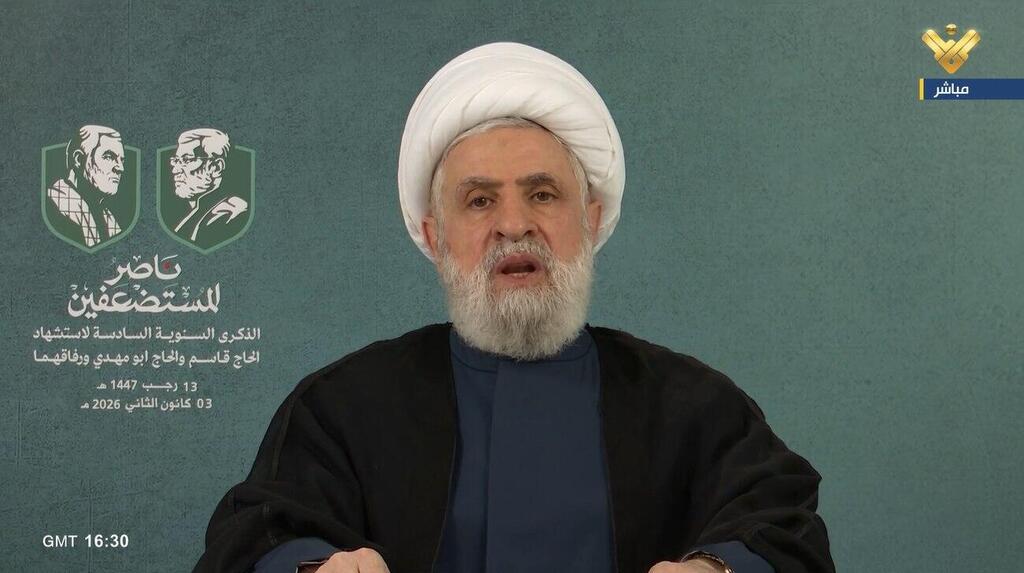
Hezbollah Secretary-General Naim Qassem
Safa played a central role in Hezbollah’s key negotiations with Israel over the past two decades. In 2000, he was part of the team involved in the infamous cross-border abduction of three Israeli soldiers, whose bodies were returned in a 2004 prisoner swap. He also participated in talks following the 2006 kidnapping of IDF soldiers Ehud Goldwasser and Eldad Regev—an incident that sparked the Second Lebanon War. During the 2008 prisoner exchange, Safa drew outrage in Israel by refusing to confirm the soldiers’ fate until their coffins were brought to the Lebanese town of Naqoura.
As head of Hezbollah’s liaison and coordination unit since the late 1980s, Safa served as the key intermediary between Hezbollah and Lebanon’s security forces. According to the U.S. Treasury Department, Safa has used Lebanese ports and border crossings to facilitate travel for Hezbollah operatives. A 2023 U.S. designation also linked him, alongside senior Hezbollah figure Mohammad Raad, to efforts to secure foreign passports for 100 operatives intended for long-term missions in Western or Arab countries.