

Senior officials in Prime Minister Benjamin Netanyahu’s Likud party say he may seek to move up Israel’s next national election to June 2026 if the military campaign against Iran ends successfully.
Netanyahu is expected to publicly deny that he is considering political steps during wartime. However, senior Likud figures said there is a high likelihood he would push for early elections to capitalize on momentum from the conflict with Iran.
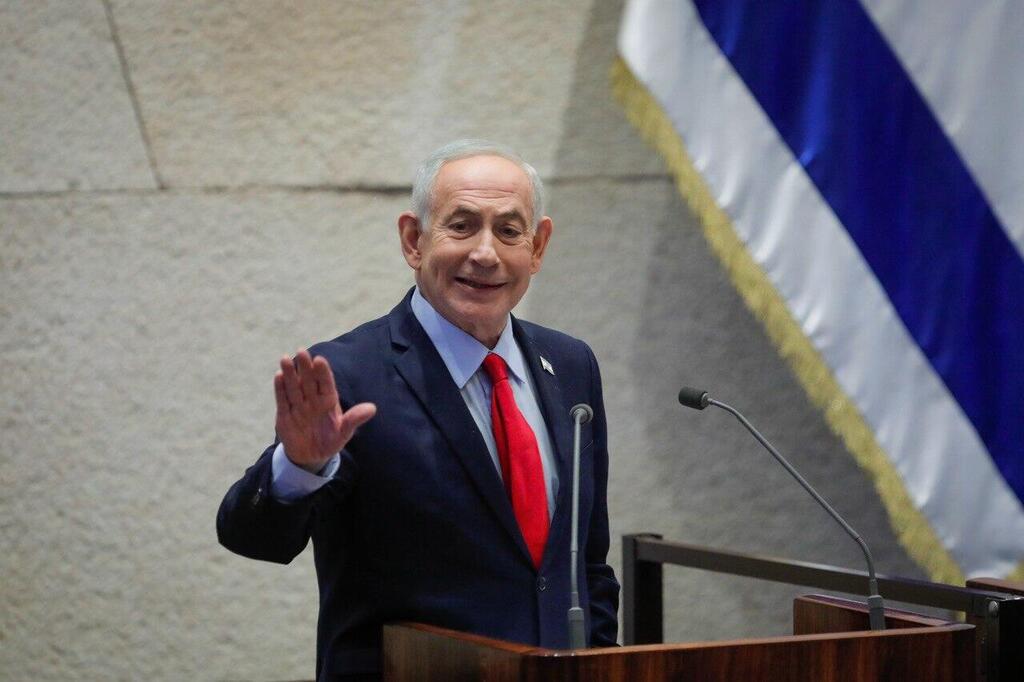
(Photo: Shalev Shalom)
Such a move, they said, could help shift attention away from domestic political issues that have hurt Netanyahu politically, including legislation dealing with exemptions from mandatory military service.
Political discussions are being held quietly in private conversations, according to party officials. Netanyahu is said to be keen to avoid any perception that political considerations are influencing decisions related to the war, even as the two tracks may overlap.
A person close to Netanyahu said the date raised in internal discussions was June 30, 2026, subject to the timetable required to dissolve parliament. By law, Israel’s Central Elections Committee must be given at least three months to prepare for a national vote, making late June the earliest feasible date if the Knesset were dissolved in the coming weeks.
The associate said Netanyahu aims to conclude the war within about two weeks, based on an assessment that Israel will have achieved significant military gains by then.
Likud officials said many senior party members believe Netanyahu prefers not to wait until the currently scheduled election date of October 2026 for additional reasons.
One factor cited is an expected visit to Israel in May by President Donald Trump, who is slated to receive the Israel Prize. Netanyahu believes Trump will publicly praise him during the visit and present him as a key partner in what he describes as a historic reshaping of the Middle East, according to a Likud official.
A party communications figure said advancing the election would also allow Likud to campaign before final approval of the draft exemption law, which party strategists view as the most electorally damaging issue facing the party.