

The IDF said it carried out additional waves of strikes in Tehran, targeting the space and satellite headquarters of Iran’s Islamic Revolutionary Guard Corps and dozens of other military sites across the capital.
According to the Israeli military, the operation hit dozens of infrastructures belonging to what it called the Iranian regime’s terror apparatus, including the IRGC’s space command center, which serves as a reception, transmission and research hub for the Iranian space organization.
Israeli air force strikes across Iran over the past 24 hours
(Video: IDF)


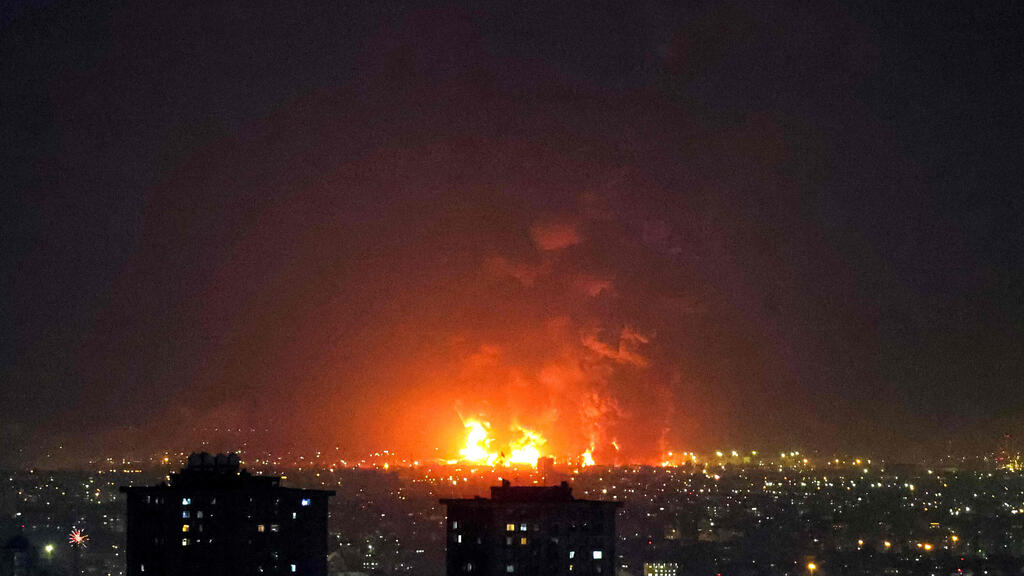
The facility also housed the control and operations center of the Khayyam satellite, launched in August 2022, which the IDF said had been used by the Revolutionary Guards to advance terrorist activities and monitor Israel and other countries in the region.
In addition, Israeli forces struck dozens of other targets in Tehran, including about 50 bunkers used to store ammunition inside a base belonging to Iran’s internal security forces. Other targets included a base of the Basij militia, the headquarters of internal security forces and a compound linked to the ground forces of the Revolutionary Guards.
The IDF said the Basij and internal security forces are part of the armed apparatus subordinated to what it called Iran’s terrorist regime and have been involved in terror activity for years.
“These forces serve as a central arm in suppressing Iran’s civilian population and are responsible for brutal and systematic violence against it,” the military said, adding that the strikes are part of a broader effort to deepen damage to the regime’s core military structures.
UAE official: Most dangerous phase of war may soon end
A senior official in the United Arab Emirates told CNN that the most dangerous phase of the Iran war may end soon, even if the broader conflict continues for a longer period.
According to the official, any future arrangement with Iran will have to address its missile program.
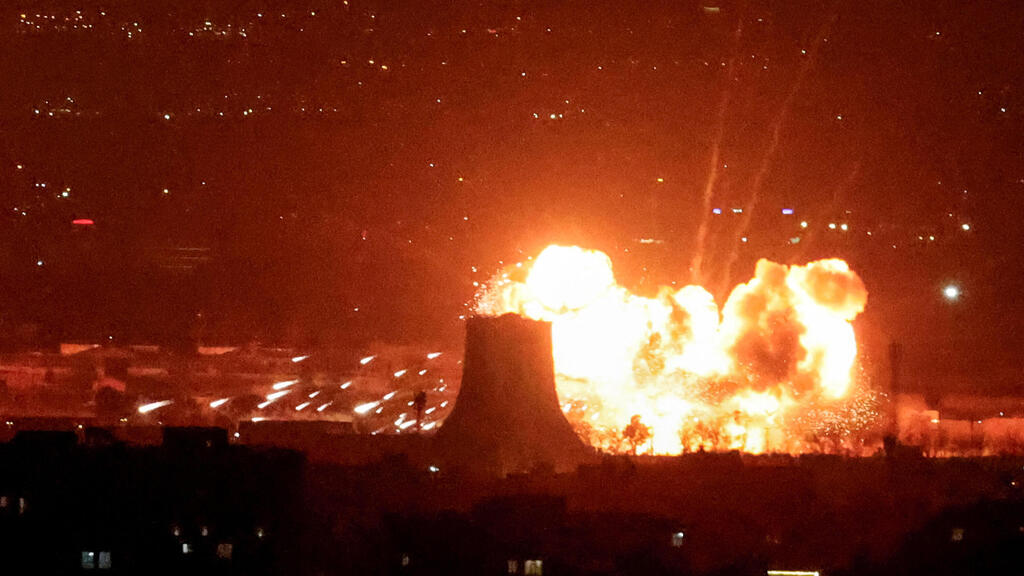
Strike on oil depot in Tehran
(Photo: ATTA KENARE / AFP)
“Missiles are now at center stage because missiles are not currently perceived as self-defense,” the official said, noting that his country had also been hit, including in business and tourism centers.
“What we saw was something we did not expect. Time has proven that we were prepared for it, but we certainly did not expect it,” the official said. “We did not think Iran would truly risk its relations with all of its neighbors.”
US warns Iranian civilians about military activity in populated areas
Meanwhile, U.S. Central Command issued a safety warning to civilians in Iran, accusing the Iranian regime of conducting military operations from heavily populated areas.
CENTCOM said Iranian forces are launching attack drones and ballistic missiles from locations surrounded by civilians in cities including Dezful, Esfahan and Shiraz.
The command urged civilians in Iran to remain in their homes, warning that locations used for military operations could lose protected status under international law and become legitimate military targets.
“Iran’s terrorist regime is blatantly disregarding civilian lives by attacking Gulf partners while compromising the safety of their own people,” said Adm. Brad Cooper, commander of CENTCOM.
According to the U.S. military, Iran has launched hundreds of ballistic missiles and thousands of one-way attack drones since February 28. However, launch rates have declined sharply as U.S. and partner forces continue to target Iran’s military capabilities.
The U.S. military said it takes precautions to minimize harm to civilians but cannot guarantee safety in or near sites used by the Iranian regime for military purposes, adding that unlike Tehran it does not intentionally target civilians.