

Only three days after U.S. President Donald Trump froze “Project Freedom” in the Strait of Hormuz, the exchange of blows between the United States and Iran briefly resumed, and Tehran renewed its threats of a “decisive response.” Meanwhile, thousands of sailors and maritime crew members are waiting for an answer from Iran’s navy: When will their ship be allowed to leave the strait?
About 20,000 sailors have been caught in the crossfire, unable even to pay their way out of the strait. One of them is Shamim Sabir of Bangladesh, a navigator aboard a research vessel. “Our water and food supplies are running lower every day,” he told The Wall Street Journal. “I am worried. I fear for my life. The situation is very bad; we are desperate. We asked over the radio to leave, and the Iranian official told us the passage through the strait was ‘red,’ very dangerous. They questioned us several times, but they are nicer to me because I am Muslim.”
Footage shows missile launches at American destroyers in Iran’s Strait of Hormuz


His ship, he said, is “anchored” in a long line stretching toward the strait’s exit. Hostile drones buzz overhead, while bundles of trash thrown from other stranded ships float alongside them. As supplies run out, crews debate whether to head to one of the ports to restock or hold their place in line, even though no one can tell them when the “exit gates” will reopen. The Persian Gulf has effectively become a floating prison for more than 800 ships for more than 65 days.
“Sleep, when it comes, is restless. We wake up several times a night, and the nights are the only time we can connect to the internet and contact our families,” he said.
Gallery
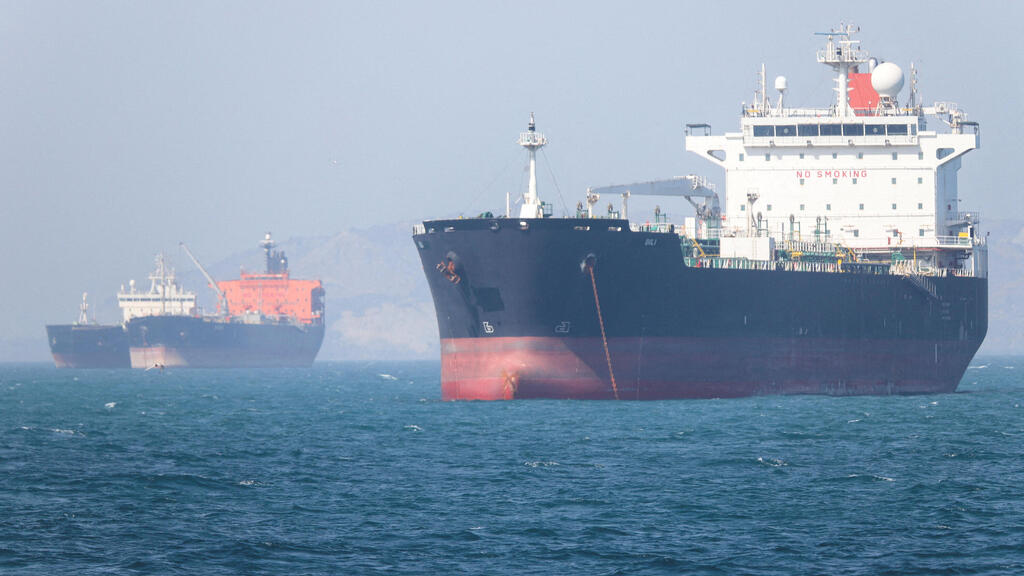
Some 20,000 sailors are trapped in the Strait of Hormuz for 65 days
(Photo: Amirhosein Khorgooi/ISNA/WANA (West Asia News Agency) via Reuters)
According to data from the International Maritime Organization, more than 30 ships have been hit by Iranian drones and missiles during the exchanges of fire, and at least 10 sailors have been killed. The threat of mines in the strait and the battles taking place above them have left them trapped in place, dependent only on the goodwill of the Iranians and Trump’s shifting mood.
An Indian sailor told the Journal about the terrifying moment he watched a nearby ship burn completely as its crew waited for a rescue that never came.
He said medical supplies aboard his ship had run out, and that he had already run out of the medication he takes for high blood pressure. To escape the Iranian blockade, he said, crews must pay the Revolutionary Guards, but payment arrangements are handled only between governments. Foreign officers like them fall between the cracks, waiting for a response from their embassy in Tehran while trying to avoid being scammed, with no way of knowing where the money is going.
36 hours of grace
Earlier this month, Trump announced “Project Freedom,” an effort to renew the movement of commercial ships through Hormuz and effectively break the Iranian blockade, in what he described as a “humanitarian gesture by the United States.” U.S. Central Command said American military support would include guided-missile destroyers, more than 100 land- and sea-based aircraft, multidomain unmanned platforms and about 15,000 troops, but the operation was frozen after just 36 hours.
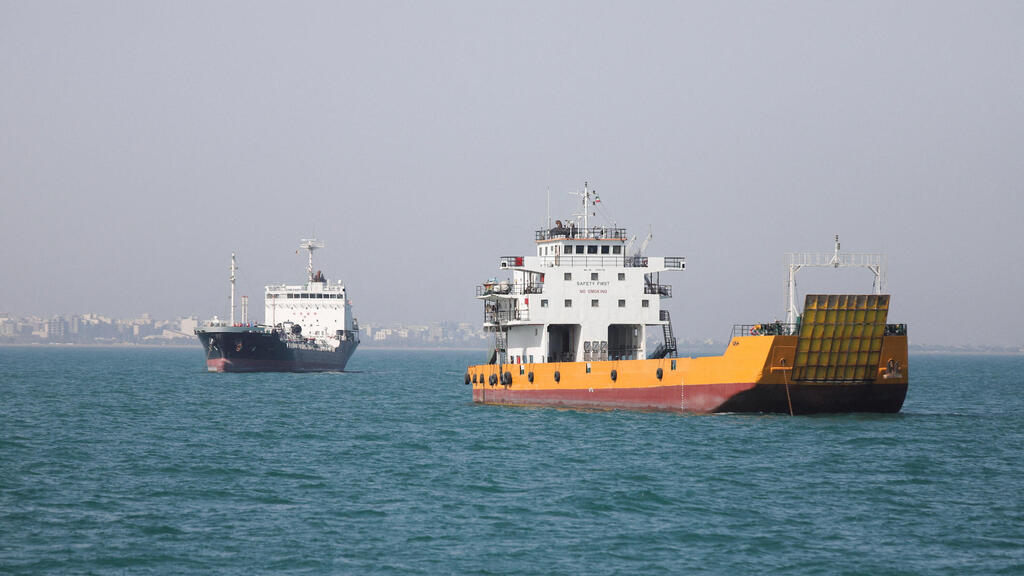
The Strait of Hormuz
(Photo: Amirhosein Khorgooi/ISNA/WANA (West Asia News Agency) via Reuters)
The next day, exchanges of fire broke out between Iran and the U.S. military after Tehran opened fire on American destroyers passing through the strait and the U.S. military responded. The Iranians claimed the Americans had violated the ceasefire and issued threats, but Trump also threatened Iran, while adding that “the ceasefire is still in effect.” Immediately afterward, authorities in the United Arab Emirates reported the activation of air defense systems. It remains unclear what was launched there, and whether the targets were intercepted.
A spokesman for Iran’s military accused the United States of “violating the ceasefire” and threatened to respond “forcefully and without hesitation.” Later, however, Iranian television reported a “return to normal,” leaving the blockade in Hormuz in place and 800 ships trapped in the Gulf.