


All flights to and from Israel were canceled Saturday morning following the closure of Israeli airspace and the launch of Israel’s opening strike in Iran. What rights do affected passengers have?
We checked with aviation law expert attorney Ehud Fai.
What does the law say?
Under Israel’s Aviation Services Law, also known as the Tibi Law, when an airline cancels a flight, including when a flight is delayed or brought forward by more than eight hours, it must offer passengers either a ticket for an alternative flight or a monetary refund. It must also provide assistance services, including hotel accommodation, meals and transportation, until the alternative flight departs.
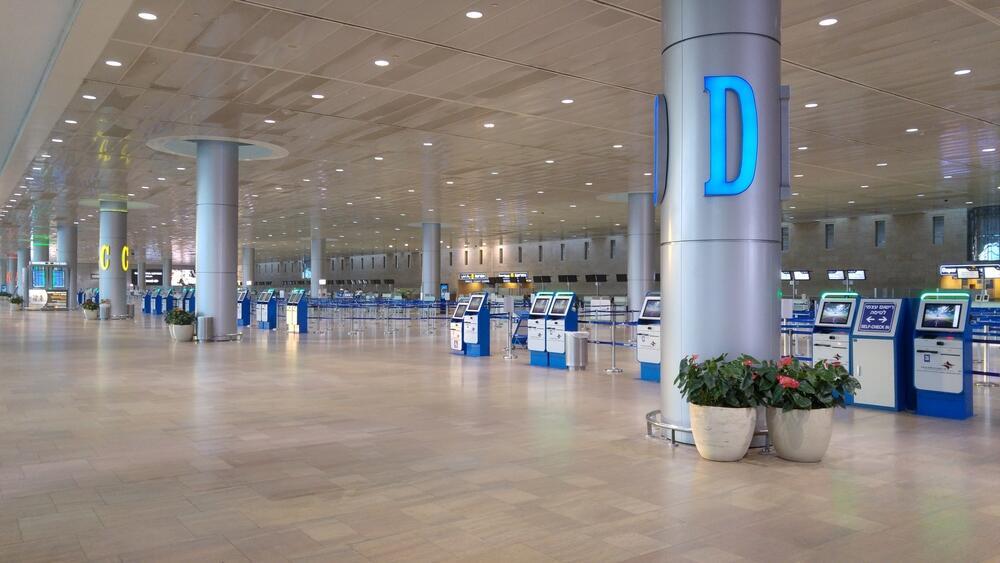
Ben Gurion Airport deserted, all flights canceled
(Photo: Roman Yanushevsky / shutterstock)
In addition, passengers are generally entitled to monetary compensation ranging from 1,490 shekels to 3,580 shekels, depending on the flight distance. However, the law exempts airlines from paying compensation in certain circumstances, including when the flight schedule is changed due to special circumstances beyond their control. In the current situation, with Ben Gurion Airport completely closed because of the war with Iran, airlines are expected to be exempt from paying monetary compensation. Still, a distinction must be made between eligibility for financial compensation and the right to receive assistance services, as well as an alternative ticket or refund.
What are passengers still entitled to receive?
Although the law provides that airlines are exempt from paying compensation when flights are canceled due to special circumstances beyond their control, they are still obligated to offer passengers either a refund or an alternative flight, as well as assistance services such as hotel accommodation and meals. Passengers are entitled to receive a refund for the canceled flight within 21 days from the date they submit a written request to the airline. They are also entitled to reimbursement for hotel and meal expenses incurred while waiting for the alternative flight.
How can the transportation minister intervene?
On February 11, 2025, an amendment to the law titled Amendment No. 2 and Temporary Order, Iron Swords, came into effect. It states that when a special state of emergency is declared on the home front and remains in effect for more than 14 days, the transportation minister, in consultation with the economy minister and with approval from the Knesset Economy Committee, may issue a temporary order modifying certain provisions of the law. Such an order may be issued if the minister is convinced there has been a significant disruption to flight availability in Israel or to airlines’ ability to plan flight schedules. If enacted, the original provisions of the law would be temporarily modified in several ways. Among other changes, airlines’ obligation to provide hotel accommodation until the alternative flight departs would be limited to two nights. The obligation to pay compensation would be canceled in cases where airlines notified passengers of the change at least three days before departure, or canceled entirely for specific periods during which the minister determines that the special situation significantly impairs airlines’ ability to plan schedules, such as during the full closure of Ben Gurion Airport.
In addition, under normal circumstances airlines must offer passengers a refund or an alternative ticket to the original destination. If the temporary order takes effect, airlines may instead offer a ticket to a different destination or point of departure. In practical terms, they could be required to offer tickets only to nearby destinations or regional hubs, such as Greece or Cyprus, leaving passengers to arrange onward travel on their own.
Are passengers entitled to reimbursement for other losses?
 Aviation lawyer Ehud FaiPhoto: Orli Eyal Levi
A distinction must be made between expenses considered assistance services and other types of losses. Under the law, when a flight is delayed or canceled, airlines must provide passengers with food, beverages and hotel accommodation during the waiting period for the delayed or alternative flight, even when the disruption results from special circumstances. Passengers are therefore entitled to reimbursement for these expenses. However, for other losses caused by a canceled flight, such as lost workdays, car rentals, prepaid hotel bookings, attraction tickets and similar expenses, airlines are not obligated to provide compensation. The law does not require reimbursement for these ancillary expenses, and most court rulings on the matter have determined that such losses constitute indirect damages for which no refund is due.
*The above does not constitute legal advice and is not a substitute for legal counsel.
First published: 12:09, 02.28.26