

Cuba said overnight that the passengers of a boat it claims entered its territorial waters and opened fire on Cuban security forces were Cubans who had been living in the United States and sought to infiltrate the island to carry out “terrorist activities.”
In the exchange of fire with Cuban troops, four of the alleged infiltrators were killed and six others were wounded and taken for medical treatment, according to the communist government in Havana.
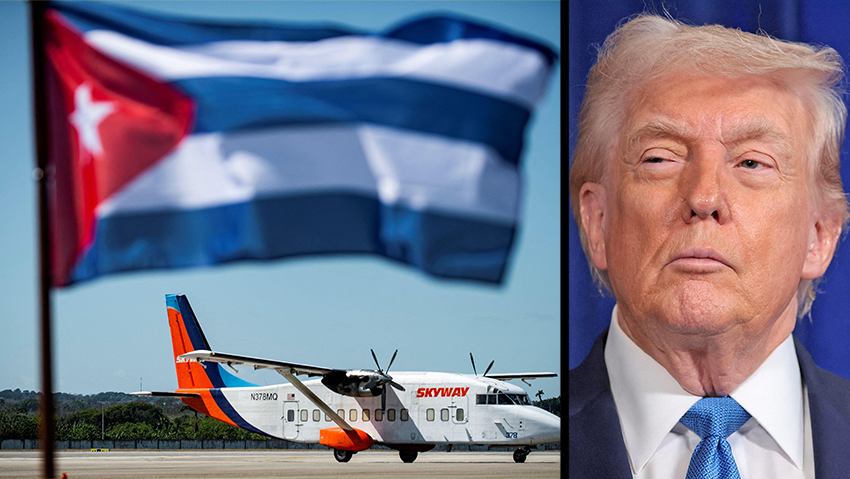
The incident comes amid heightened tensions between Cuba and the United States, following an oil embargo imposed by President Donald Trump and his assessment that the Cuban regime is nearing collapse. U.S. Secretary of State Marco Rubio was briefed on the incident during a regional summit in St. Kitts, attended by Cuban representatives, and said the United States would conduct its own investigation rather than rely on Havana’s account.
Rubio said such an exchange of fire on the open sea is highly unusual, noting that an incident of this kind has not occurred in Cuba for a very long time.
Cuba’s Interior Ministry issued a more detailed statement several hours after an initial announcement that disclosed the clash but did not identify the passengers or their purpose. In the updated statement, seven of the 10 passengers — the six wounded and one of the dead — were identified. The ministry said they were Cubans who had lived in the United States and had “a history of criminal and violent activity.”
Cuba said the passengers were armed with assault rifles, pistols and Molotov cocktails and intended to carry out a “terrorist infiltration.”
The maritime clash occurred Wednesday morning local time near Villa Clara province in central Cuba, about 100 miles from Florida. The speedboat, according to records, departed from Florida. Cuba said shots were fired from the boat at a Cuban Coast Guard vessel as it approached to identify those on board. Cuban forces returned fire, and one Cuban serviceman was wounded.
Two of the passengers, Amijail Sánchez González and Leordan Enrique Cruz Gómez, were wanted by Cuban authorities for alleged “involvement in the promotion, planning, organization, financing, support or commission of actions carried out in the national territory or in other countries, based on acts of terrorism,” the Interior Ministry said.
Cuba also said it arrested another suspect, Duniel Hernández Santos, who was not on the boat but allegedly arrived from the United States to receive the armed group and assist in an “armed infiltration.” Authorities said he confessed.
Cuba has so far publicly identified only one of the four dead: Michel Ortega Casanova. The Associated Press spoke with his brother, Misael, who said Ortega had been active in efforts to free the island from the communist regime founded by Fidel Castro and now led by President Miguel Diaz-Canel.
He said his brother had lived in the United States for more than 20 years and was a U.S. citizen who worked as a truck driver. He is survived by a wife and a pregnant daughter. The brother said many Cubans have endured “immense suffering” on the island and that only those who fled can understand how severe the situation was.
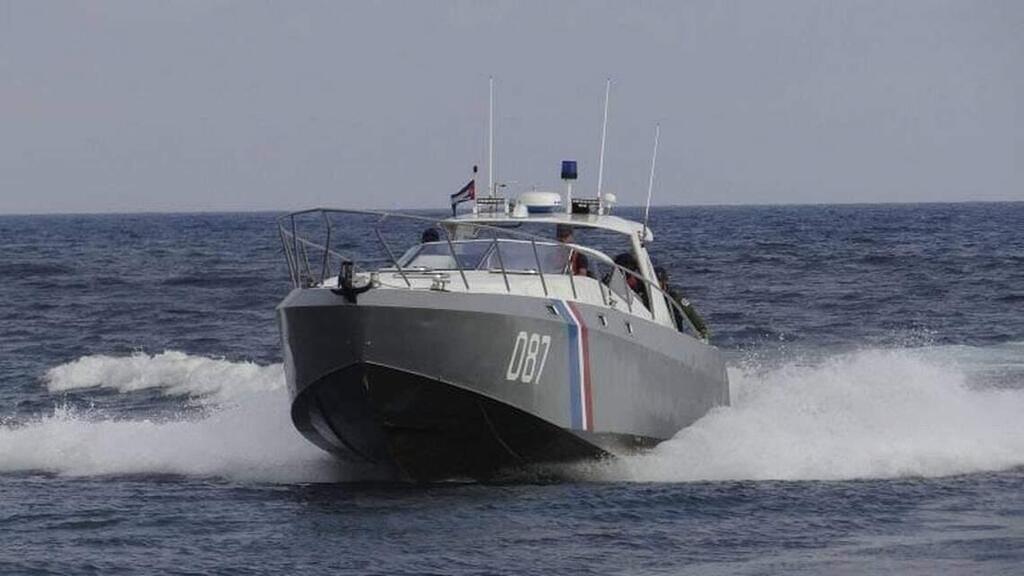
A Cuban Coast Guard vessel
Misael said the family was unaware of his brother’s plans and that he and his associates “became so obsessed that they didn’t think about the consequences for their lives.” While he said he does not believe in the concept of heroes, he hopes his brother’s death will prove meaningful. “Maybe it will be justified if one day Cuba is free,” he said.
Another identified passenger, Conrado Galindo Sariol, gave an interview in June to Martí Noticias, a U.S.-based news outlet run by Cuban government critics. In the interview, he expressed support for the struggle for freedom in Cuba, particularly in the eastern part of the island, and said previous protests there were “not a spark that will fade.” He was quoted as saying regime leaders were trying to contain what they knew was coming, “because they know they have lost power.”
In Florida, home to a large Cuban exile community, anger followed reports of the incident. Rep. Carlos Gimenez, a Republican from Florida born in Havana who fled with his family after the Cuban revolution, called for an independent U.S. investigation, describing the incident as a “massacre.” He questioned Cuba’s account, calling it a “fabricated story,” and wrote on X that the communist dictatorship’s official statement was “a propaganda narrative from a regime with zero credibility.”
The episode comes as tensions escalate between Washington and Havana. Since Washington’s mid-December oil embargo on Venezuela, Cuba has stopped receiving fuel shipments from Caracas, its longtime main supplier. After U.S. forces captured Venezuelan President Nicolas Maduro and took control of the country’s oil sector, Trump said Venezuela would no longer export fuel to Cuba and warned that any country attempting to supply Havana would face severe consequences.
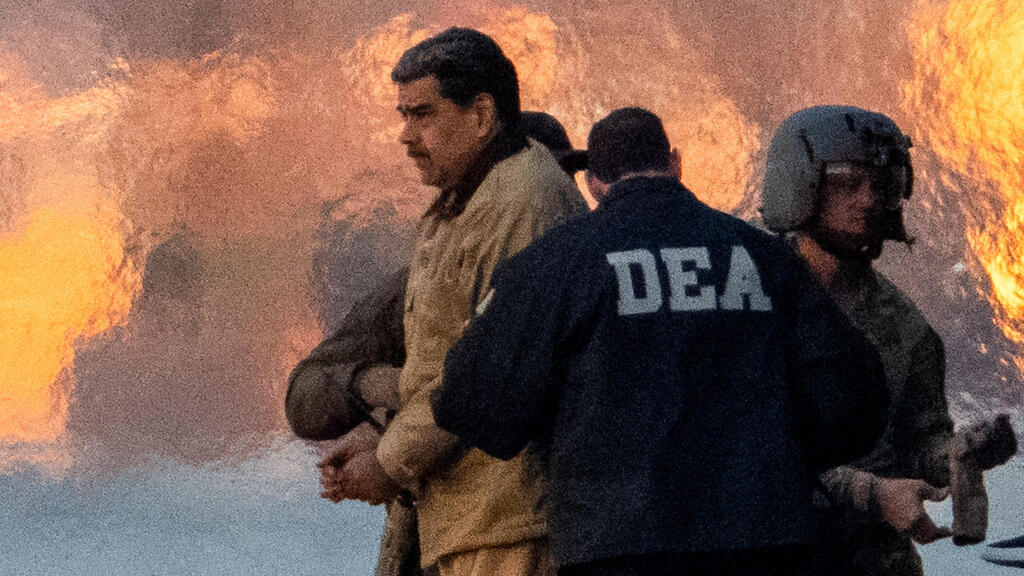
Ousted Venezuelan President Nicolas Maduro brought to trial in the US
(Photo: REUTERS/Adam Gray)
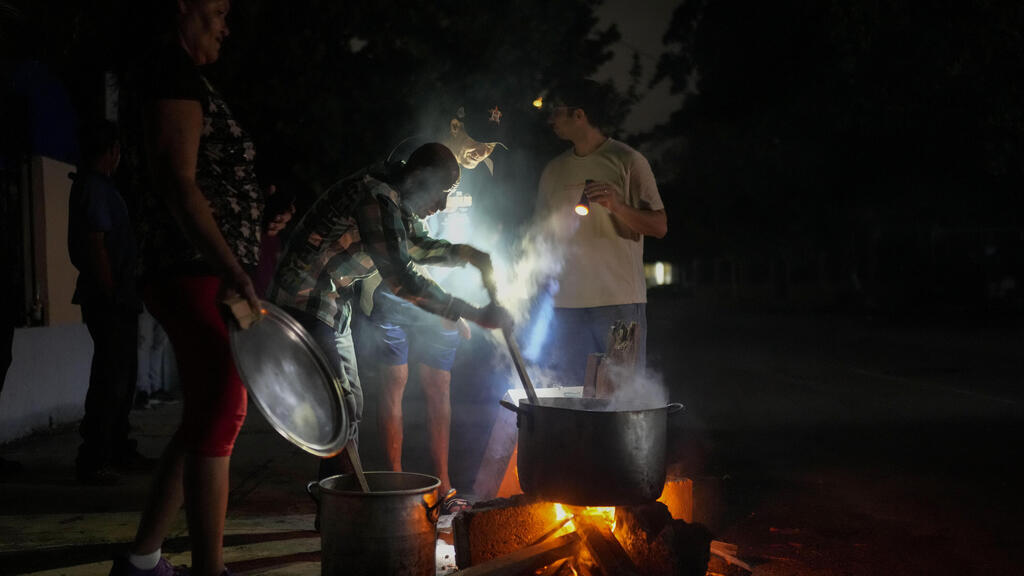
Cubans cook over an open fire during a blackout on the island
(Photo: AP Photo/Ramon Espinosa)
Cuba has long struggled with failing power grids and extended blackouts. Fuel shipments from Venezuela, partly in exchange for Cuban security personnel sent to support Maduro, had helped keep the system functioning. This month, the energy crisis worsened to the point that foreign airlines were notified they could not refuel at Havana’s airport, forcing some to suspend flights.
After Maduro’s capture, Trump said the oil embargo and tightening pressure on Cuba would ultimately lead to the regime’s collapse. In its statement on the boat incident, Cuba’s Interior Ministry alluded to the current tensions, saying that “in the face of current challenges, Cuba reaffirms its determination to defend its territorial waters and safeguard its sovereignty.”
Trump has not yet publicly commented on the incident.