

Icelanders have rejected a government proposal to restart negotiations on joining the European Union, dealing a setback to efforts to revive a membership process that has been frozen for more than a decade.
With almost all ballots counted from Saturday’s referendum, 52.5% had voted against reopening accession talks and 47.5% were in favor, according to Icelandic public broadcaster RÚV. Only a small number of votes remained outstanding and would have required a dramatic shift to change the result.
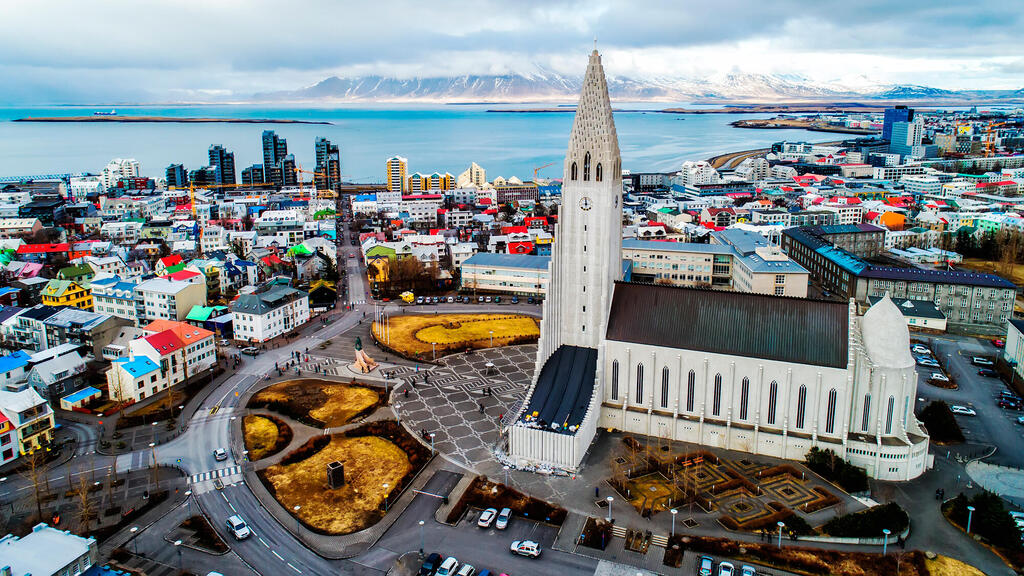
Reykjavík
(Photo: Shutterstock)
The referendum was not a direct vote on joining the EU. A victory for the “yes” camp would instead have authorized Iceland to resume negotiations with Brussels, with any eventual membership agreement expected to face another public vote.
Iceland first applied to join the European Union in 2009 after the global financial crisis hit its small economy particularly hard. Negotiations were later shelved as political opposition to membership grew. The issue returned to the center of Icelandic politics amid growing uncertainty over European security and the international order.
Supporters of reopening talks argued that closer integration with the EU could provide greater economic stability, potentially help address high interest rates and strengthen Iceland’s position in an increasingly unpredictable geopolitical environment. The debate has also unfolded against the backdrop of the war in Ukraine and U.S. President Donald Trump’s threats concerning Greenland, another Arctic island.
Opponents focused heavily on sovereignty and Iceland’s fishing industry, a cornerstone of the national economy and identity. They argued that Iceland already enjoys many of the benefits of European integration through existing agreements while retaining control over its waters and key industries.
Former Icelandic president Ólafur Ragnar Grímsson, a prominent opponent of EU membership, described the vote as an historic moment. “Today is our encounter with history,” he wrote on social media as the result became clear.
Prime Minister Kristrún Frostadóttir had backed reopening the negotiations, while Foreign Minister Þorgerður Katrín Gunnarsdóttir argued before the vote that Iceland needed to reconsider where it stands as traditional assumptions about European security come under pressure.
The result leaves Iceland outside the EU and, for now, keeps its long-running accession process frozen. The country remains a member of NATO and participates in the European single market through the European Economic Area, allowing it close economic ties with the bloc without full membership.