

The integration of conscripts from Israel’s social and geographic periphery into the IDF’s elite technological and combat units, and the gaps that exist between them and recruits from the upper socioeconomic deciles, has been a recurring topic in Ynet and Yedioth Ahronoth. Now, for the first time, new data reveal how recruits from the periphery are represented in the IDF’s top units: Sayeret Matkal, Shayetet 13, Shaldag — and the prestigious pilot training course, where integration remains especially lacking.
The Central Bureau of Statistics defines “periphery” as communities ranked in the lower socioeconomic clusters (1–5). These are primarily towns in northern and southern Israel, but also weaker communities in central Israel. The IDF further defines periphery populations to include socially disadvantaged groups who face the same challenges as geographic periphery residents. According to military criteria, a periphery recruit comes from: a town with a geographic ranking of 1–4 and socioeconomic ranking of 1–6; a town with a geographic ranking of 5–6 and socioeconomic ranking of 1–5; or a town with a socioeconomic ranking of 1–4 and a draft potential higher than 50%.
About 30% of IDF conscripts are classified as coming from the periphery, with minor fluctuations depending on directives from the head of the Manpower Directorate. In the most recent report last week, the figure stood at 28.5%. Combat service rates are nearly identical: 46% of periphery conscripts volunteer for combat units, the same rate as the general population.
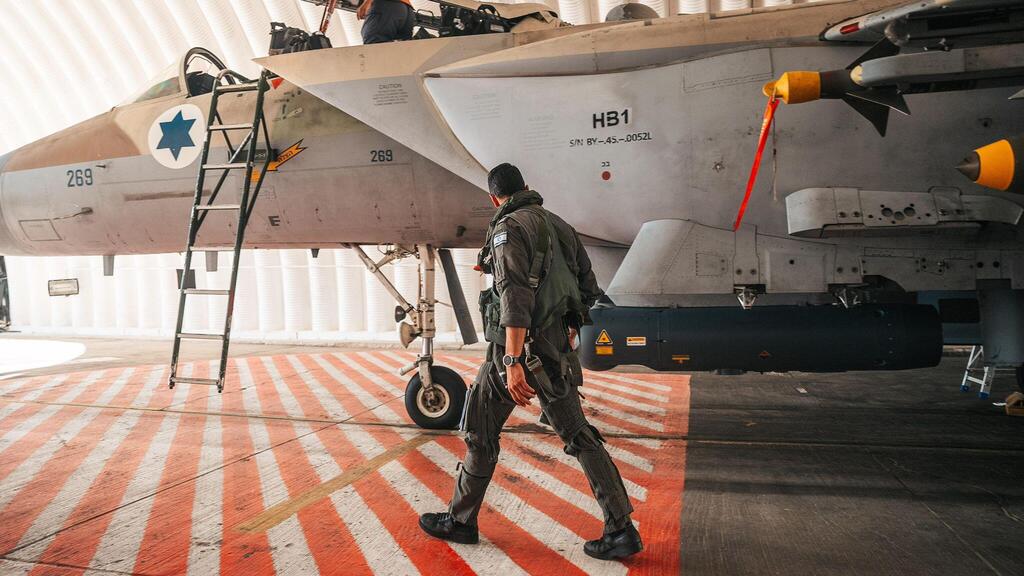
But the picture shifts in the elite ranks. With the exception of the pilot course, representation of periphery recruits in Sayeret Matkal, Shayetet 13 and Shaldag has risen significantly, though still below average. This progress is credited to reforms initiated by former Manpower Directorate head Maj. Gen. Yaniv Asor, who changed the cognitive screening tests, introduced additional selection tools, launched preparatory programs for special forces, and maintained ongoing dialogue with unit commanders. Combined with commanders’ willingness to embrace the effort, these steps have yielded measurable results.
The pilot training course remains the outlier. Its numbers are especially low and show no upward trend.
The Air Force’s 'closed club'
Two years ago, Ynet and Yedioth Ahronoth revealed that 27% of pilot course cadets were close relatives of past graduates — one in four. Despite promises of reform, cadets report that the ratio remains largely unchanged. According to one Air Force official, in the latest course one out of every six graduates was a close relative, while only one in 10 came from the periphery.
In response, Air Force Commander Maj. Gen. Tomer Bar has established a special preparatory program for recruits from the periphery, aiming to provide teenagers who did not grow up in “Air Force families” or affluent towns with the tools to succeed in the grueling years-long process of earning their wings. The first cohort has completed the program, and improvements are expected, though the Air Force says changes in selection take time to bear fruit.
Still, many see the low periphery representation in the pilot course as a systemic failure spanning multiple commanders.
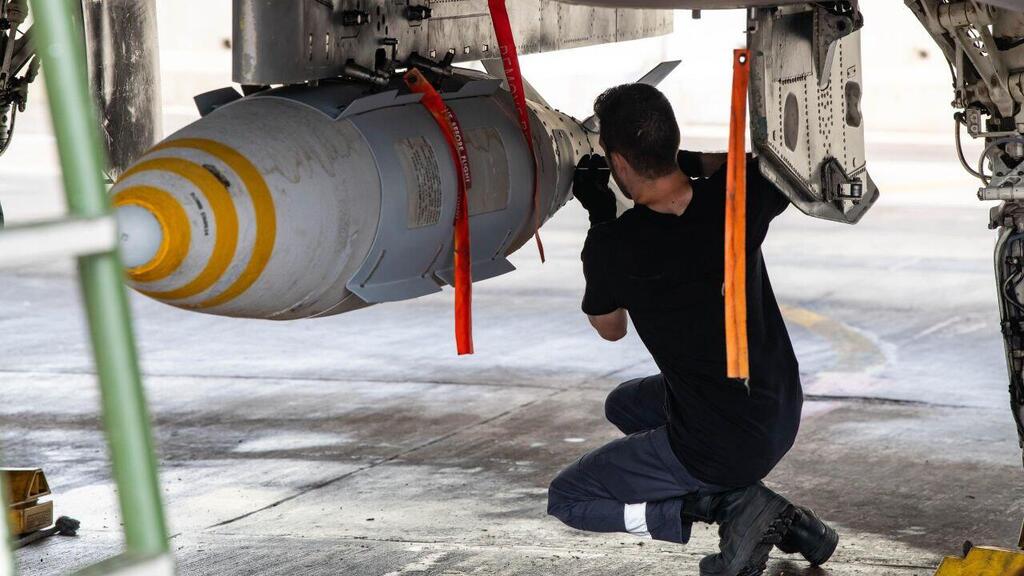
Preparing the planes
(Photo: IDF Spokesperson's Unit)
“When the Air Force wanted to integrate women, commanders made it a top priority, demanded allocations, and pushed the issue in the media," a former senior officer said. "Here, nobody acted until Bar. It’s not right to put all the responsibility on him. When the Air Force wants something, even the sky isn’t the limit.”
Another former senior officer said: “All Air Force commanders over the years ignored the periphery. When we analyzed the gap, we found it stemmed mainly from low turnout for screenings among periphery youth, as previously reported, and from natural biases during selection and training. Screeners tend to prefer candidates who resemble them, even when qualifications are equal. They don’t pick unqualified recruits — but in prioritization, the choice leans toward the familiar.”
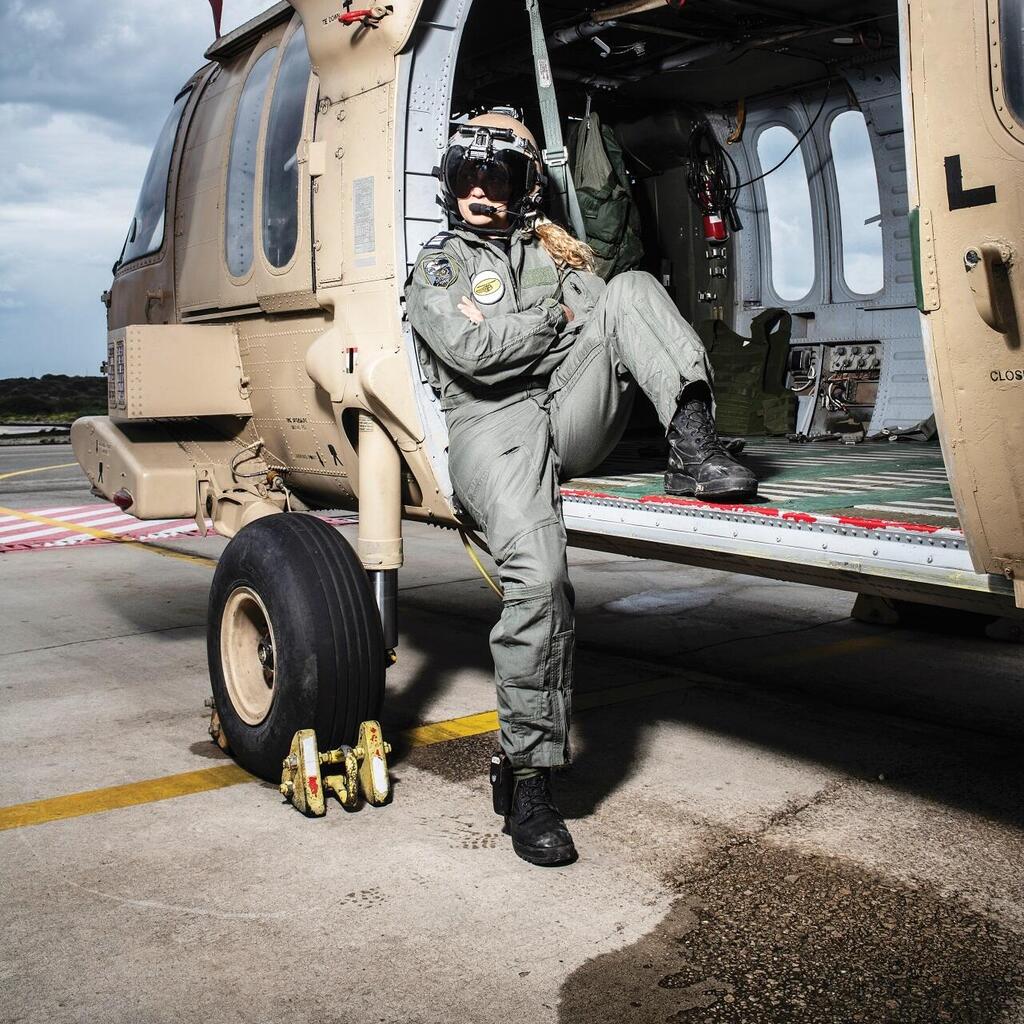
A female pilot
(Photo: Ilya Melnikov)
Lt. Col. (res.) Dr. Ze’ev Lerer, a senior researcher on civil-military relations, noted another trend: More recruits from higher socioeconomic backgrounds, who in the past volunteered for elite combat units, now prefer to serve in technological units that offer a “direct path to better civilian careers,” often with parental encouragement.
He pointed out that the Air Force has successfully driven change before, citing women’s integration, the “Blue Steel” project linking periphery schools with its technical corps, and the “Blue Dawn” project integrating ultra-Orthodox soldiers. Each, he said, succeeded because of personal involvement and commitment by the Air Force commander.
'Not compromise, but excellence'
Air Force officials acknowledged the problem in response to the data. “The numbers are not good,” one said, “but corrections are underway in the screening process, which takes time.”
Experts emphasize that periphery youth are no less talented than their peers. What they need is opportunity, sometimes a push they don’t receive naturally, and commanders willing to back them.
“We’re not looking for compromises, but for excellence. When you open the doors to excellent young people from the periphery, the entire army benefits. Responsibility begins with preparation — in schools, prep programs and early exposure,” an IDF Manpower Directorate officer said.
To that end, the IDF is developing targeted preparatory programs to boost periphery recruits in elite volunteer units, with a special focus on Ethiopian Israelis and Druze youth.
One new initiative, the “Ignition Prep” program, recently graduated its first class of 170 11th graders from across the country, who chose to spend their summer vacation preparing for the army.