

Hungarian Prime Minister Viktor Orban, facing what polls suggest will be the toughest electoral challenge of his 16-year rule, has escalated his confrontation with Ukraine in recent days, accusing Kyiv of disrupting Russian oil supplies to Hungary and warning of unspecified “actions” that could require the deployment of Hungarian troops to protect critical energy infrastructure.
Orban, whose government maintains close ties with Russian President Vladimir Putin unlike most other European Union leaders, has alleged that Ukraine is interfering with oil deliveries through the Druzhba pipeline, which carries Russian crude to refineries in Hungary and Slovakia. Both EU member states have maintained strong economic links with Moscow despite Russia’s invasion of Ukraine and rely heavily on discounted Russian oil.
Gallery
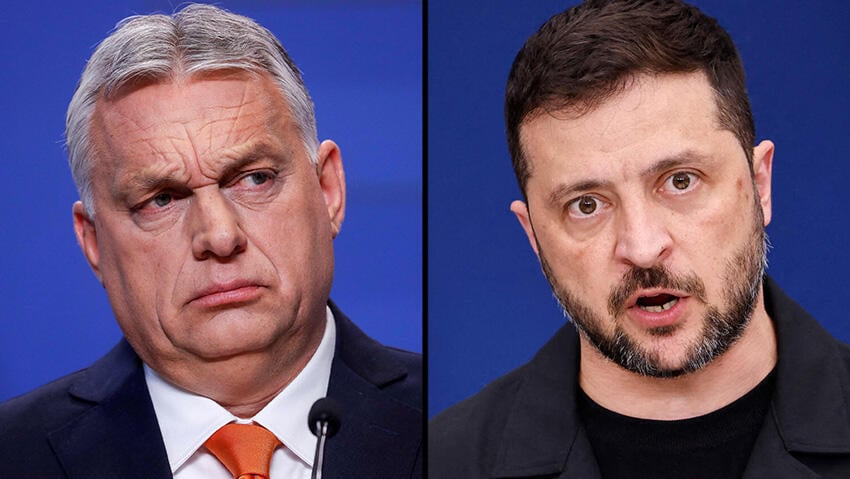
Hungarian Prime Minister Viktor Orban, Ukrainian President Volodymyr Zelensky
(Photo: Simon Wohlfahrt / AFP, Reuters)
The pipeline runs through Ukrainian territory. Ukrainian officials say recent disruptions were caused by damage from a Russian attack on Jan. 27 and reject claims by Hungary and Slovakia that the interruptions were deliberate. Kyiv has said it is working to repair the damage as quickly as possible.
In a video posted Wednesday on his Facebook page, Orban dismissed that explanation, saying the suspension of flows through the Druzhba pipeline was due to “political, not technical reasons.” He accused Ukraine of imposing an “oil blockade” on Hungary and claimed Hungarian security services had identified plans by Kyiv to carry out further actions to disrupt Hungary’s energy system. He did not provide evidence.
“Because of this threat, I have ordered increased protection of critical energy infrastructure,” Orban said, adding that troops and equipment would be deployed as necessary to prevent attacks near key facilities. He also announced increased police patrols and a ban on drone flights in certain areas.
Reuters reported Thursday that Orban had sent a letter to European Council President Antonio Costa calling for a “fact-finding mission” to assess the extent of the damage to the Druzhba pipeline and determine whether Ukraine’s account is accurate. Orban requested that representatives from Hungary and Slovakia be included.
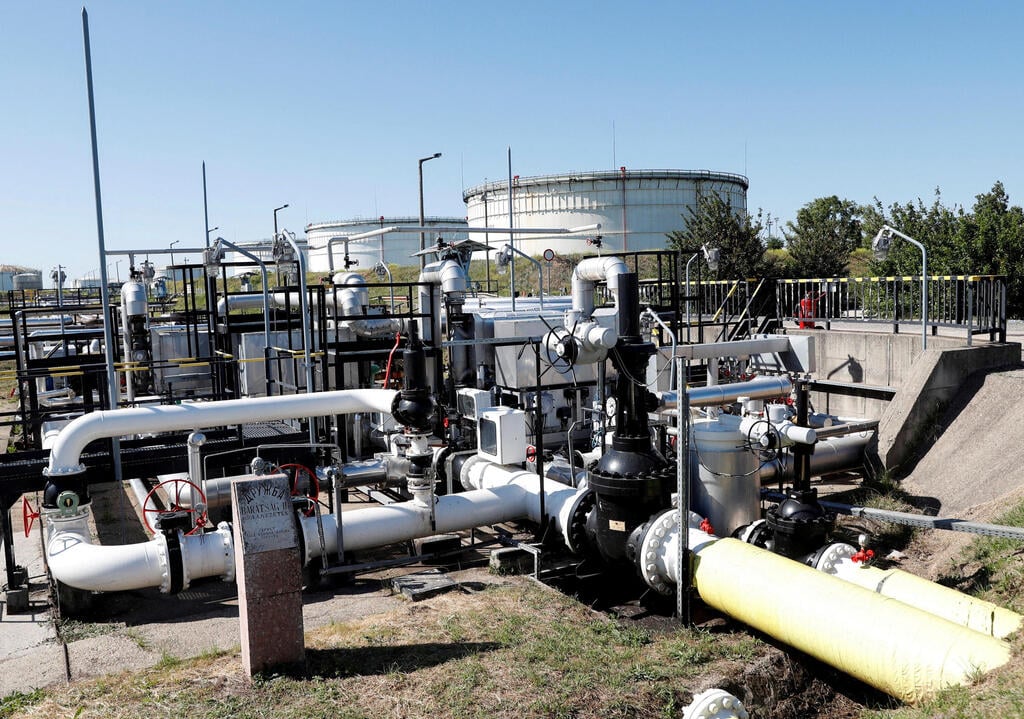
A facility on the Druzhba oil pipeline in Hungary, through which Russian oil flows via Ukraine
(Photo: REUTERS/Bernadett Szabo//File Photo)
Slovak Prime Minister Robert Fico, who like Orban has taken a critical stance toward Kyiv, accused Ukrainian President Volodymyr Zelensky of personally delaying the pipeline’s reopening. “The Ukrainian president simply probably believes that he can do what he wants, but he is very, very mistaken,” Fico said Wednesday.
Unlike most other EU countries, Hungary and Slovakia have increased imports of Russian oil and gas since Moscow’s full-scale invasion of Ukraine four years ago. Both received exemptions from EU sanctions on Russian oil.
In recent days, the two countries have taken retaliatory steps against Kyiv. Hungary on Monday used its veto to block a 90 billion euro ($97 billion) EU loan package for Ukraine and is also holding up a new sanctions package against Russia. Orban has pledged to block any European measures that support Kyiv until oil flows through the Druzhba pipeline resume.
Slovakia this week halted electricity supplies to Ukraine, which Kyiv has relied on as Russia repeatedly targets its energy infrastructure.
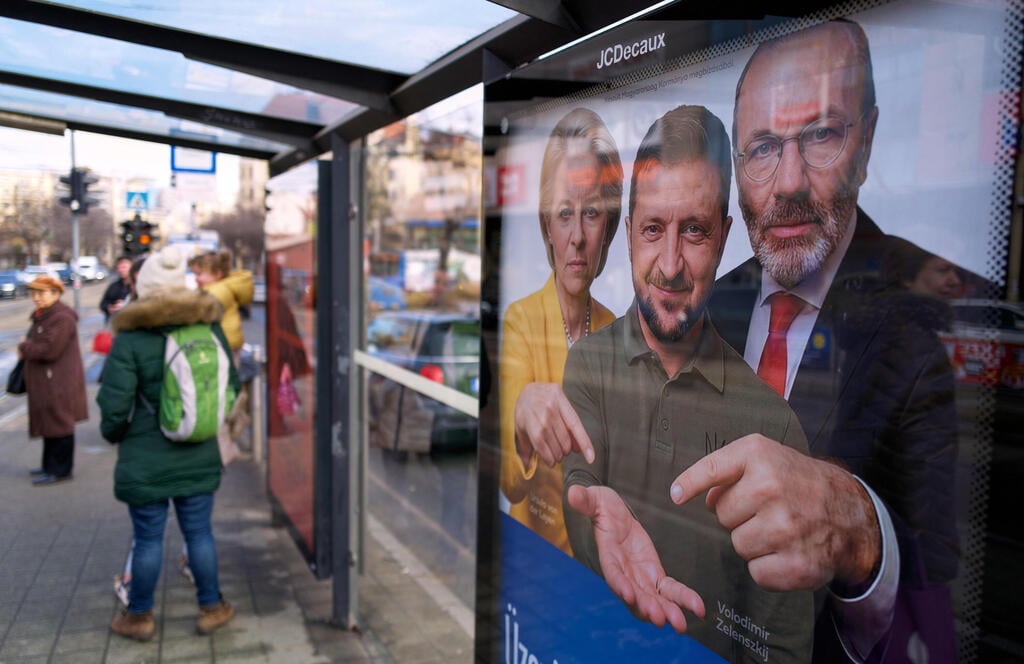
An AI-generated poster in Budapest depicting Zelenskyy extending his hand as if demanding money, with a sly smile on his face
(Photo: AP Photo/Bela Szandelszky)
Orban’s unusual warning that he could deploy the military to protect Hungarian energy facilities from Ukraine marks the latest escalation in what political analysts describe as an anti-Ukraine campaign tied to Hungary’s April 12 parliamentary election.
Polls suggest Orban faces his strongest challenge yet from the opposition Tisza party led by Peter Magyar, a 44-year-old former member of Orban’s ruling Fidesz party who broke away, citing what he described as entrenched corruption. Magyar founded Tisza two years ago and has focused his campaign on the cost of living, fighting corruption and restoring Hungary’s pro-European trajectory. Critics of Orban say democratic institutions have eroded under judicial and media reforms enacted during the past decade.
Amid public frustration over corruption scandals and a prolonged economic slowdown, independent Hungarian polling institutes show growing support for Tisza, a center-right party. A survey published Wednesday showed Tisza leading Fidesz by 20 percentage points, 55% to 35%, a significant increase from a 12-point gap reported last month by the Median polling institute, widely regarded in international media as reliable.
Against that backdrop, Orban has framed the election as a choice between “war or peace,” warning that a victory by his opponents would drag Hungary into war between Ukraine and Russia. He has accused Kyiv of attempting to “blackmail” him into adopting pro-Ukraine positions and has portrayed Magyar as a “puppet” of Zelensky.
Posters displayed across Hungary feature AI-generated images depicting Zelensky alongside European officials, extending his hand as if demanding money, with a sly smile. The posters reference EU efforts to provide financial and military support to Ukraine in a war that has entered its fifth year and carry the slogan: “Our message to Brussels: We will not pay!”
First published: 18:03, 02.26.26