

The Iranian delegation to Pakistan had presented Pakistani Prime Minister Shehbaz Sharif with its proposals and “red lines” ahead of talks with the United States in Islamabad, including demands on the status of the strategic Strait of Hormuz, war reparations, the release of frozen assets and a regional ceasefire, Iranian state television reported Saturday.
Iranian officials have also framed the assets issue as part of broader efforts to secure safe passage through the Strait of Hormuz.
US Vice President JD Vance meets Pakistani Prime Minister Shehbaz Sharif in Islamabad
(Video: from social media)


Gallery
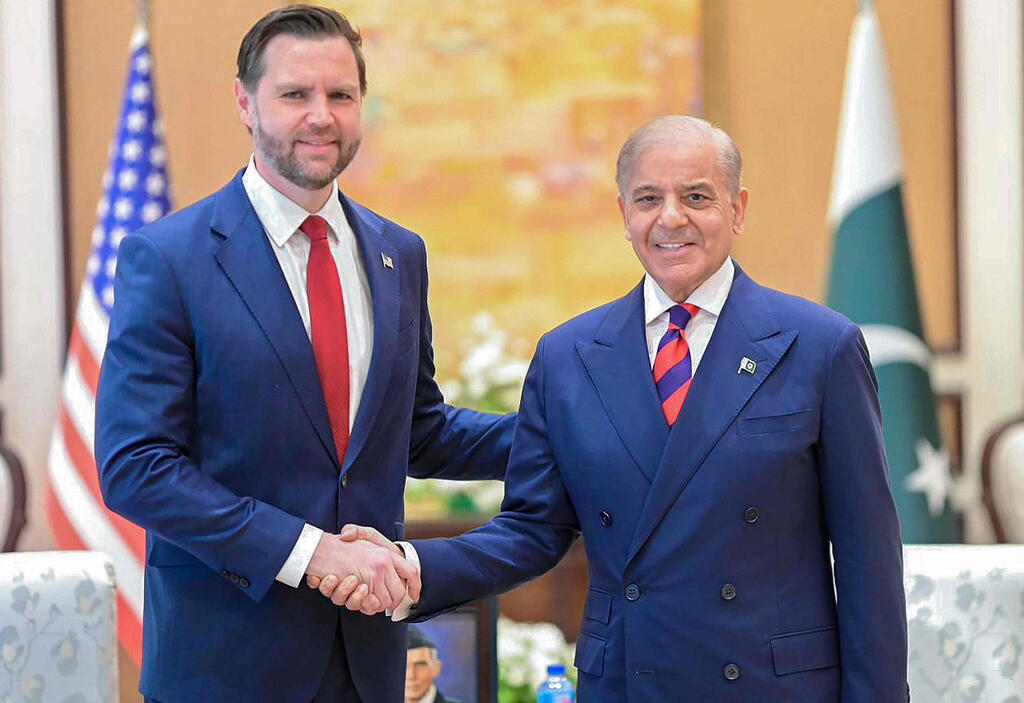
US Vice President JD Vance meets Pakistani Prime Minister Shehbaz Sharif in Islamabad
(Photo: AFP PHOTO /Pakistan's Prime Minister Office/ HANDOUT)
Earlier Saturday, U.S. Vice President JD Vance met Sharif, according to the White House. Steve Witkoff and Jared Kushner, both serving as envoys for President Donald Trump, also took part in the meeting. Sharif separately met Iranian representatives as Pakistan sought to mediate between the two sides.
The diplomatic activity came after a senior Iranian source told Reuters that Washington had agreed to release Iranian funds frozen in Qatar and other foreign banks, describing the step as a sign of U.S. “seriousness” in trying to reach a deal in Islamabad.
The source, who declined to be named due to the sensitivity of the matter, told Reuters that unfreezing the assets was "directly linked to ensuring safe passage through the Strait of Hormuz," which is expected to be a key issue in the talks.
The source did not give a value for the assets that Washington had agreed to unfreeze. A second Iranian source said the United States had agreed to release $6 billion of frozen Iranian funds held by Qatar.
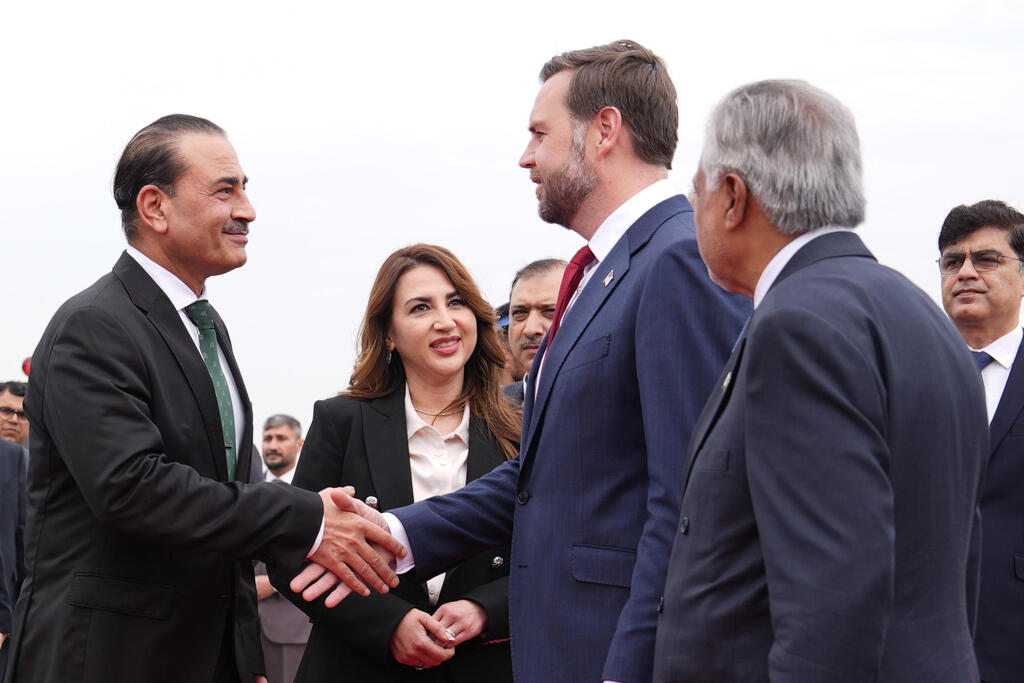
Pakistani army chief Asim Munir and US Vice President JD Vance
(Photo: AP Photo/Jacquelyn Martin, Pool)
A U.S. official denied that Washington has agreed to such a move. Qatar's Foreign Ministry did not immediately respond to a request for comment.
Funds originally frozen eight years ago
The $6 billion, originally frozen in 2018, had been due for release in 2023 as part of a U.S.-Iranian prisoner swap but the funds were again frozen by the administration of President Joe Biden following the October 7, 2023, attacks on Israel by Iran's ally, the Palestinian terrorist group Hamas.
U.S. officials said at the time that Iran would not be able to access the money for the foreseeable future, stressing that Washington retained the right to completely freeze the account.
The funds stem from Iranian oil sales to South Korea and had been blocked in South Korean banks after President Donald Trump reimposed sanctions on Iran in 2018, during his first term in the White House, and scrapped a deal between world powers and Tehran over its nuclear program.
Under the September 2023 U.S.-Iran prisoner swap mediated by Doha, the money was transferred to Qatari bank accounts. The prisoner swap involved the release of five U.S. citizens detained in Iran in exchange for the release of the funds and the release of five Iranians held in the United States.
U.S. officials said at that time that the money was restricted to humanitarian use only, to be disbursed to approved vendors for food, medicine, medical equipment and agricultural goods shipped into Iran under U.S. Treasury oversight.
First published: 13:40, 04.11.26