

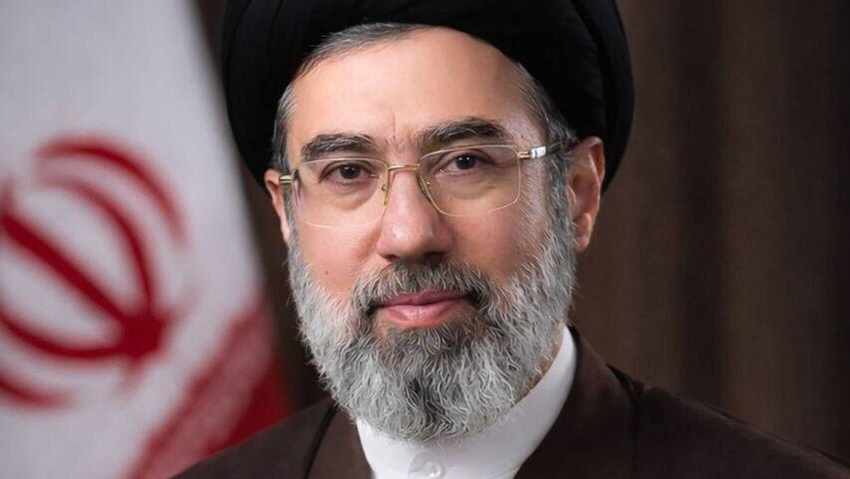
The New York Times reported Thursday new details on the condition of Iran’s new supreme leader, Mojtaba Khamenei, saying the regime is severely restricting access to him over fears Israel could track and assassinate him.
According to the report, Khamenei — the son of former supreme leader Ayatollah Ali Khamenei — was wounded in an attack on the morning the war began Feb. 28, in which his father, as well as Mojtaba’s wife and son, were killed. He is now surrounded primarily by a team of doctors and medical staff treating injuries he sustained in that strike.
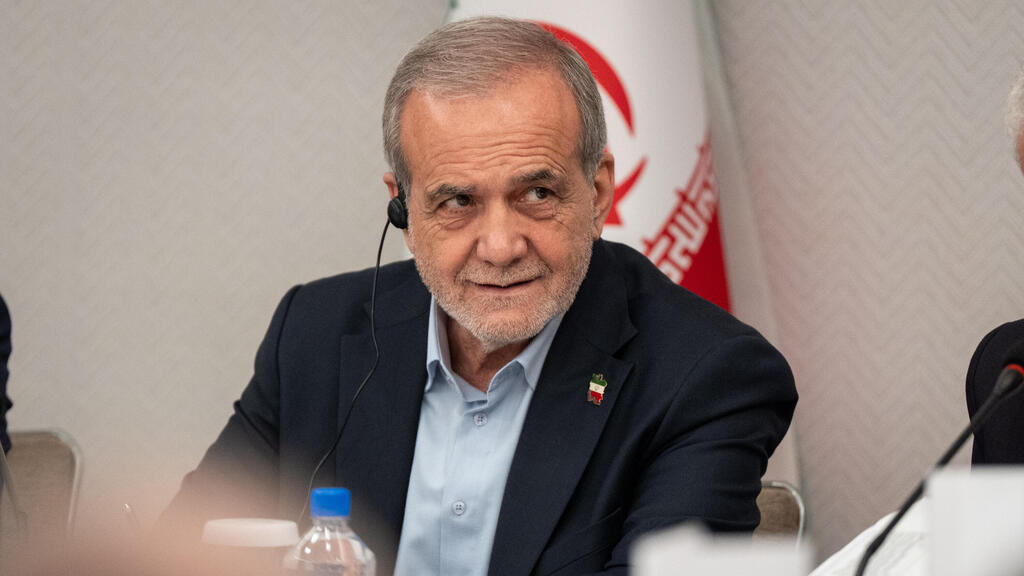
Iranian President Masoud Pezeshkian
(Phtoto: AP Photo/Angelina Katsanis)
The report said Iranian President Masoud Pezeshkian, a trained cardiac surgeon, is personally involved in Khamenei’s treatment, along with the country’s health minister. Despite being seriously wounded, Khamenei remains mentally sharp and communicates effectively with those around him, the report said.
Citing four Iranian officials familiar with his condition, The New York Times reported that one of his legs has undergone three surgeries and he is now awaiting a prosthetic. He also had surgery on one hand, which is gradually regaining function. His face and lips suffered severe burns that make speaking difficult, and he is expected to require plastic surgery.
Sources who spoke to the newspaper said Khamenei has not recorded any video or audio messages because he does not want to appear vulnerable or sound weak in his first public address. Instead, he has issued several written statements that were published online and read on state television.
Messages to Khamenei are handwritten, sealed in envelopes and delivered through a human chain of couriers passing them from one to another. They travel by car and motorcycle along highways until reaching his hiding place. Messages from him are delivered the same way. Senior commanders in the Islamic Revolutionary Guard Corps, an elite military force, and top government officials do not visit him for fear Israel could locate him.
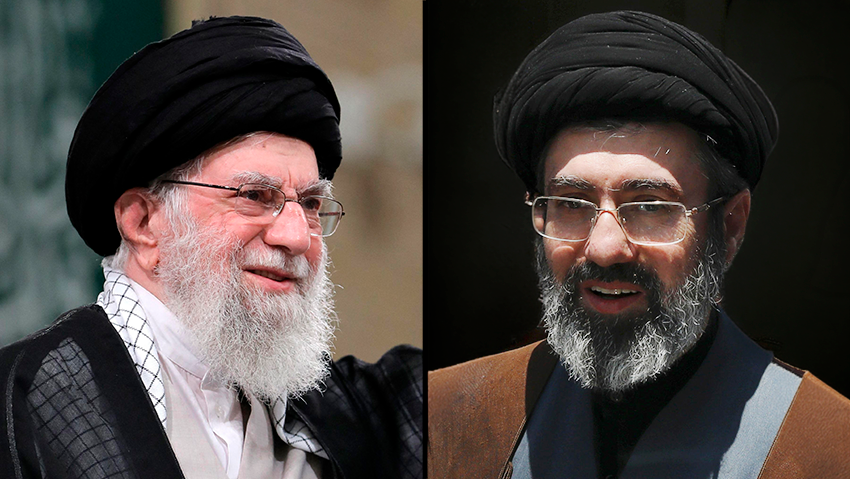
Ali Khamenei and his son, Mojtaba Khamenei
(Photo: AP Photo/Vahid Salemi, AFP PHOTO/ HO/KHAMENEI.IR )
The report also described the current balance of power in Tehran. According to the sources, a group of senior Revolutionary Guard commanders and their allies is effectively running the country in matters of security, war and diplomacy. Mojtaba Khamenei functions as a kind of “chairman of the board,” but relies heavily on guidance from this group, described as being led by generals.
Among those highlighted were IRGC commander Ahmad Vahidi; Gen. Mohammad Bagher Zolghadr, recently appointed head of the Supreme National Security Council, a key decision-making body; and hard-line Gen. Yahya Rahim Safavi, who served as senior military adviser to both Ali Khamenei and his son.
The officials said the generals view the current war with the United States and Israel as a threat to the regime’s survival, but after five weeks of intense fighting believe they have managed to contain it. At every major decision point, they have led in setting strategy and allocating resources, the report said.
According to the sources, Foreign Minister Abbas Araghchi has been sidelined in negotiations with Washington — talks he led before the war — and has been replaced by parliament speaker Mohammad Bagher Ghalibaf. The Iranian parliament, known as the Majlis, is the country’s legislative body. Mojtaba Khamenei has aligned himself with the generals and rarely, if ever, opposed their decisions, the sources said.
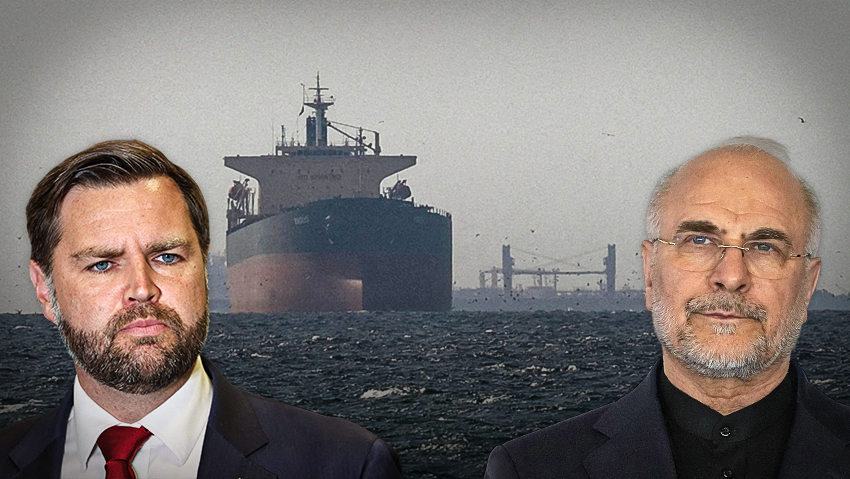
US Vice President JD Vance and Iranian parliament speaker Mohammad Bagher Ghalibaf
(Photo: AP Photo/Eraldo Peres, Fadel SENNA/AFP, REUTERS/Stringer)
They added that the Revolutionary Guard devised the strategy behind Iran’s attacks on Israel and Gulf states, as well as the closure of the Strait of Hormuz, a critical global oil shipping route. The same group agreed to a temporary ceasefire with Washington and approved backchannel diplomacy.
They also selected Ghalibaf to lead talks with U.S. Vice President JD Vance in Pakistan. For the first time, the delegation included Revolutionary Guard generals in the negotiations.
Iranian officials and three others familiar with Mojtaba Khamenei told The New York Times that his willingness to defer to the Guard stems both from his newness in the role — lacking the political standing and religious authority his father wielded — and from deep personal ties with senior commanders.
At age 17, Mojtaba Khamenei volunteered to fight in the Iran-Iraq War, where he formed relationships that have lasted decades. Many of his former comrades rose to senior roles in the military and intelligence services. Among his close associates are former IRGC intelligence chief Hossein Taeb; Gen. Mohsen Rezaei, his commander in the 1980s who has since returned from retirement; and Ghalibaf.
For years, he met weekly with Taeb and Ghalibaf over lunch to coordinate positions. According to the report, those relationships now shape the dynamic between Khamenei and the generals, who address each other by first names and see themselves as peers rather than in a strict chain of command.
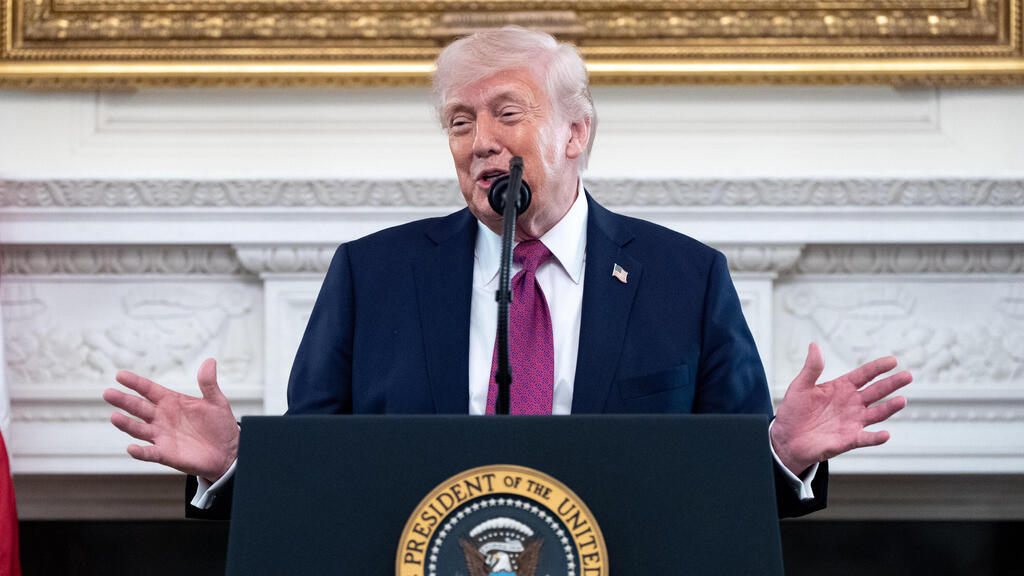
(Photo: AP Photo/Alex Brandon)
Shortly after the Times report was published, U.S. President Donald Trump commented on the situation. In a post on his social media platform Truth Social, he wrote: “Iran is having a very hard time figuring out who their leader is! They just don’t know! The infighting is between the 'Hardliners,' who have been losing BADLY on the battlefield, and the 'Moderates,' who are not very moderate at all (but gaining respect!), is CRAZY! We have total control over the Strait of Hormuz. No ship can enter or leave without the approval of the United States Navy. It is 'Sealed up Tight,' until such time as Iran is able to make a DEAL!!!”