

Sirens were also activated in northern communities following launches by Hezbollah from Lebanon, with no injuries or damage in those incidents. At the same time, the Israeli military carried out overnight strikes in Tehran and Beirut.
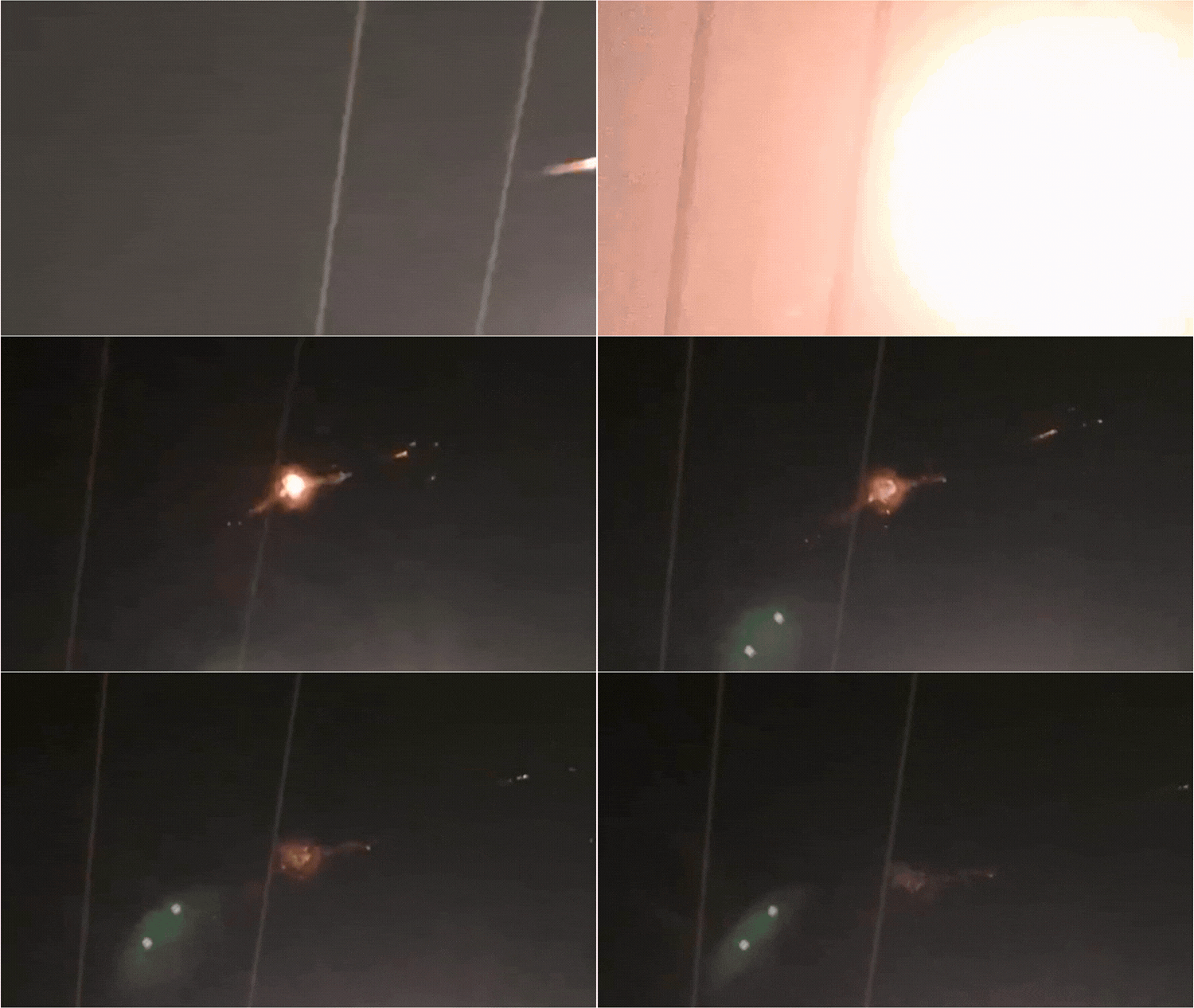
Iranian missile intercepted in central Israel
(Photo: Dror Parawai)


Meanwhile, advisers to U.S. President Donald Trump briefed him on possible “off-ramps” from the war, while also outlining escalation options if the administration chooses to increase pressure on the regime. According to NBC, advisers and allies are pulling Trump in different directions: those favoring an exit strategy are concerned about the global economic impact, while others are focused on the opportunity to weaken the regime’s regional influence. The timeline for the war “could change every day,” one official said.
Overnight, Iran continued attacks against Gulf states, particularly the United Arab Emirates, which has since reopened its airspace after a temporary closure.
The Palestinian Foreign Ministry reported the death of Alaa Mushtaha, a Palestinian woman who was wounded yesterday morning by an Iranian missile while driving in the Al-Bahia area of the UAE. The Palestinian Authority expressed anger over what it described as “Iranian aggression against Arab states.”
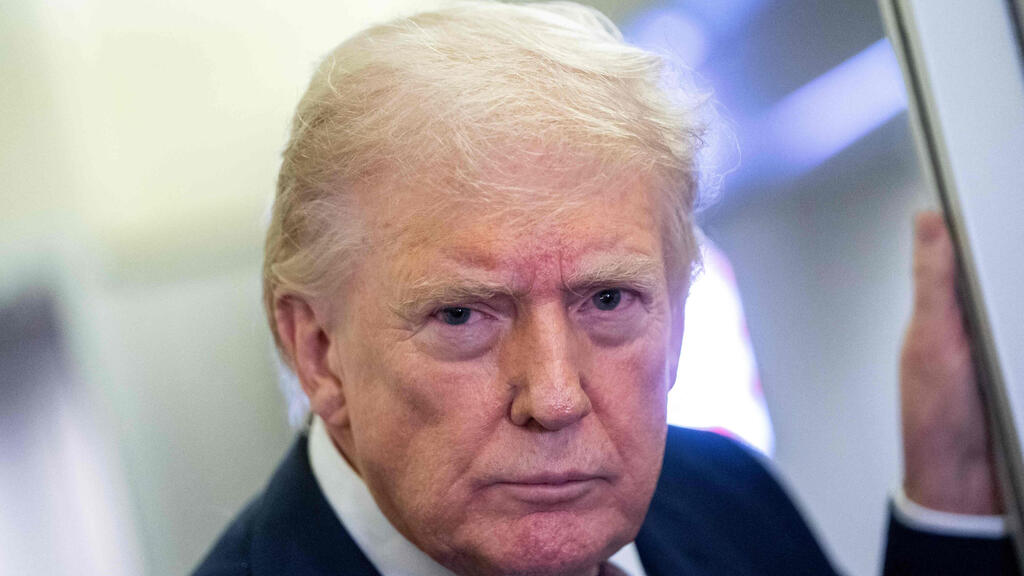
U.S. President Donald Trump
(Photo: Nathan Howard/ Getty Images/ AFP)
The U.S. Embassy in Iraq’s capital, Baghdad, came under a combined attack involving rockets and drones, described as the most intense since the war with Iran began. Security sources told Reuters that a suicide drone struck near the embassy, with smoke seen rising from the area.
At the same time, four people were killed in a missile strike on a house in Baghdad where pro-Iranian militia members and reportedly “Iranian advisers” were present.
Operations at the United Arab Emirates’ Shah gas field remained suspended on Tuesday following a drone attack, while a separate attack caused a fire in the Fujairah Oil Industry Zone.
No injuries were reported in either incident, local media offices said.
Meanwhile, the United Kingdom Maritime Trade Operations (UKMTO) said Tuesday that an unknown projectile struck a tanker 23 nautical miles east of Fujairah, causing minor structural damage.
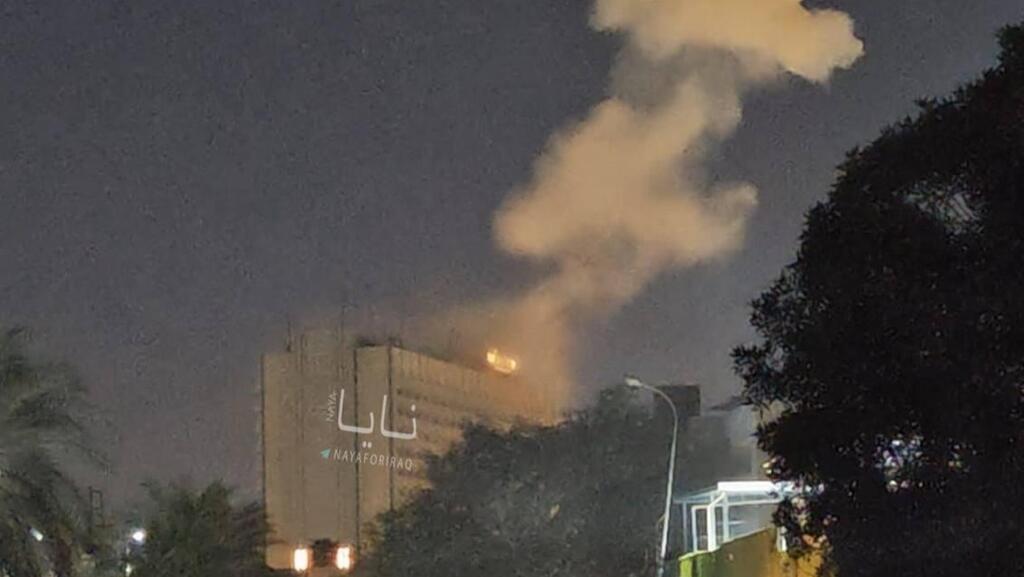
Baghdad
Monday’s attack on the Shah field, located about 180 km (111.85 miles) southwest of Abu Dhabi and one of the world’s largest sour gas fields, adds to disruptions in the UAE’s energy sector.
The country’s daily oil output is down by more than half since the conflict began, with the effective closure of the Strait of Hormuz forcing state oil giant ADNOC to implement widespread production shut-ins, two sources told Reuters.
Oil loading operations at the UAE’s port of Fujairah, a key export terminal, were suspended twice in recent days following separate drone attacks, although some loading has since resumed, sources said.
Gulf Arab states, including the UAE, have faced more than 2,000 missile and drone attacks since the start of the U.S.-Israeli war on Iran on February 28, targeting U.S. diplomatic missions and military bases, as well as oil infrastructure, ports, airports, and residential and commercial buildings.