

The European Union has frozen its plans to scale back trade relations with Israel and impose sanctions on Israeli ministers Itamar Ben-Gvir and Bezalel Smotrich, Politico reported. The move came after a group of leading EU member states concluded that such measures were no longer necessary following the U.S.-brokered agreement that effectively ended the war in Gaza.
According to four European diplomats who spoke to Politico on condition of anonymity, the original sanctions plan is unlikely to gain enough support in upcoming meetings of EU foreign ministers and leaders. Imposing such sanctions requires unanimous consent among all 27 member states. Despite mounting pressure on the bloc to act, the ceasefire announced by U.S. President Donald Trump has divided EU countries over whether to move forward. Separate trade-restricting measures backed by a smaller group of countries also appear unlikely at this stage, the diplomats said.
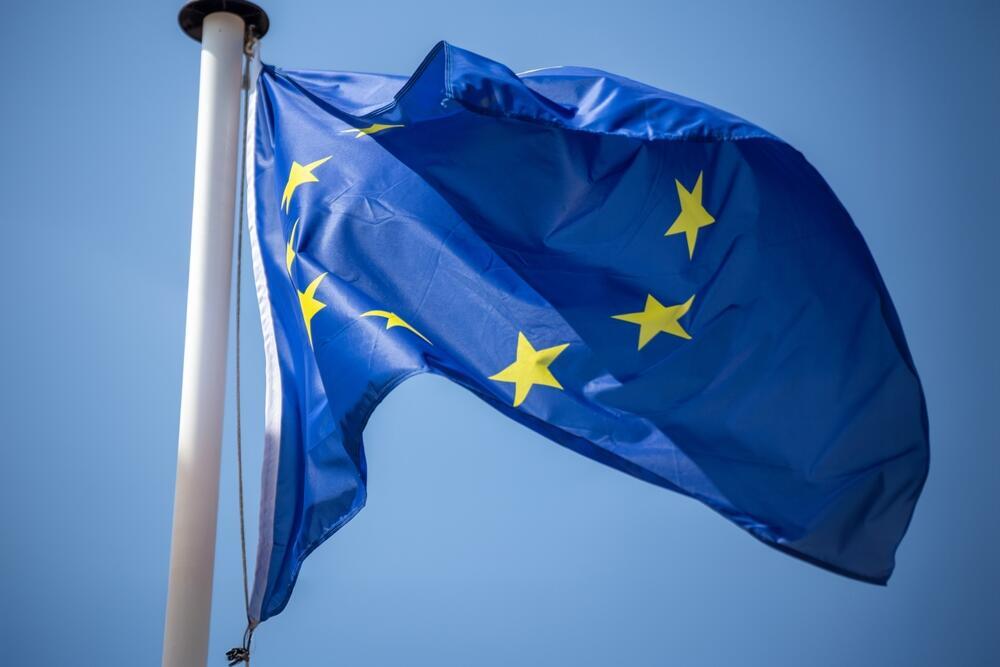
European Union flag
(Photo: U.J. Alexander / Shutterstock)
European Commission President Ursula von der Leyen had used her State of the Union address in September to call for adding “extremist ministers” to the EU blacklist, imposing restrictions on violent settlers in the West Bank, and suspending certain trade payments to Israel. These proposals were due to be discussed at the Foreign Affairs Council meeting in Luxembourg on Monday and at the EU leaders’ summit in Brussels on Wednesday. However, draft documents indicate that no consensus has been reached so far.
Belgian Foreign Minister Hadja Lahbib, whose government has pushed for a tougher EU stance toward Israel, expressed frustration. “It is regrettable that it took the European Union more than two years to present measures against Israel,” Lahbib said. “The credibility of the EU’s foreign policy has been severely damaged. Many citizens still struggle to understand why the EU cannot take decisive action.”
Germany, Hungary, and several other countries have consistently opposed implementing the sanctions, even though there was broad political agreement and a joint EU statement supporting action against settlers accused of human rights abuses.
Following the announcement that Hamas and Israel had signed the first phase of a deal to end the war, European Commission spokesperson Paola Pinho hinted that the bloc could reconsider its position. “The sanctions were proposed in a specific context, and if that context changes, it could eventually lead to a change in the proposal,” she said. Nevertheless, according to the diplomats cited by Politico, the Commission does not intend to formally withdraw the plan for now, even if a long-term ceasefire makes it less relevant. Some EU members, including Ireland and Spain, continue to advocate a tougher line toward Israel, particularly regarding violent settlers in the West Bank. But overall, the mood within the bloc is to wait and see how even