

Maj. Gen. (res.) Herzl Bodinger, a decorated combat pilot and former commander of the Israeli Air Force (IAF), died Monday at age 82.
Bodinger, who led the IAF between 1992 and 1996, guided the force through major operations in Lebanon and oversaw key modernization programs, including the procurement of Black Hawk helicopters and the decision to acquire F-15I fighter jets.
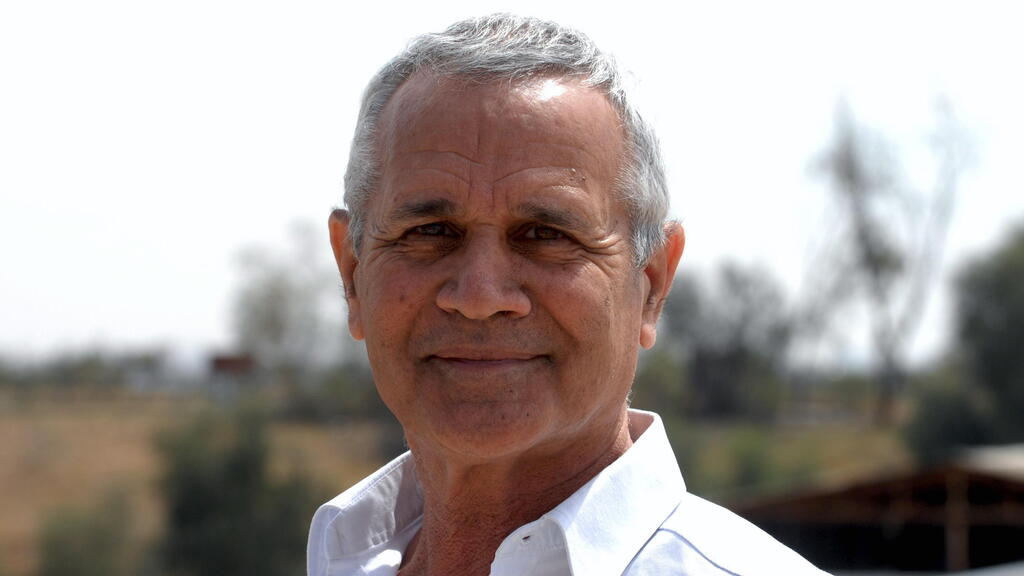
Born in Haifa and raised in Kiryat Motzkin, Bodinger joined the Air Force in 1961, completing pilot training two years later. His nearly four-decade career was marked by courage, precision, and resilience. During the 1967 Six-Day War, his aircraft was hit by anti-aircraft fire over Egypt. Despite a severe fuel leak and one engine down, he managed to land safely in Eilat, a feat that became emblematic of his calm under pressure.
Throughout his career, Bodinger flew combat missions in the Six-Day War, Yom Kippur War, and subsequent operations. During the 1973 war, he downed a Syrian MiG-17, and a year later shot down a MiG-21 during a dogfight over Lebanon. He later became the first pilot to fly the domestically produced Kfir fighter, which was unveiled to the public on Israel’s Independence Day in 1975.
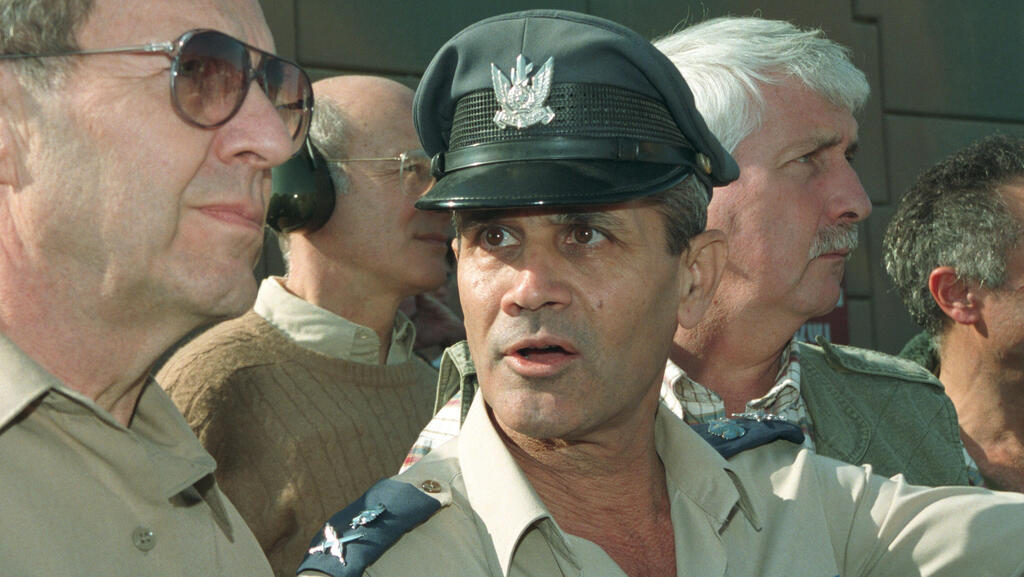
(Photo: David Rubinger)
In the 1980s, Bodinger rose through the command ranks, serving as head of the Air Division and later as Air Force Chief of Staff. In 1985, he authorized the downing of two Syrian MiG-23s that approached Israeli aircraft over Lebanon — an incident later reviewed by a military inquiry, which deemed his decision “reasonable under the circumstances.”
Appointed Air Force commander in 1992, Bodinger led the branch during Operation Accountability (1993) and Operation Grapes of Wrath (1996) in Lebanon. During the latter, he personally participated in a night strike mission — his 451st and final operational sortie.
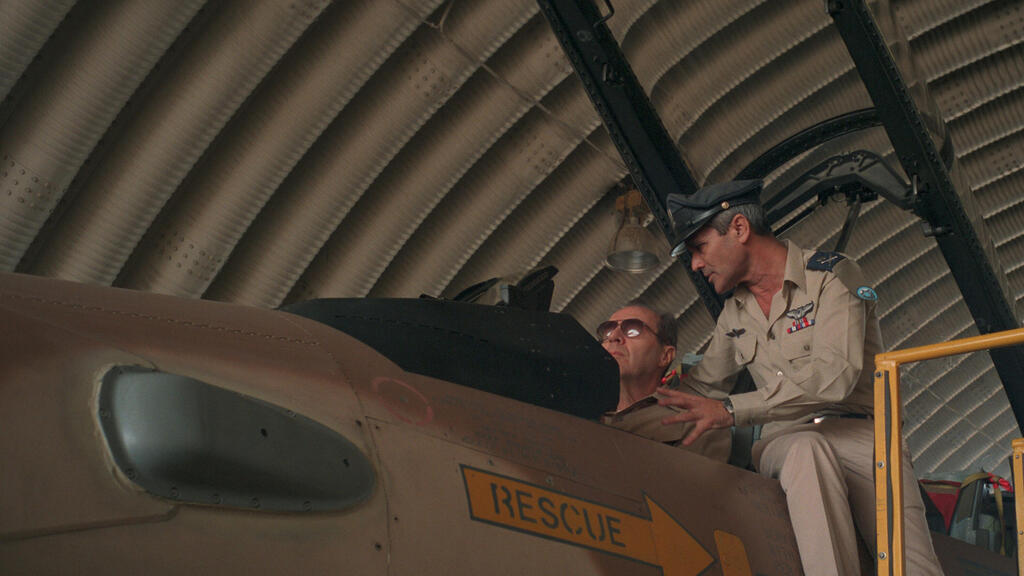
(Photo: David Rubinger)
Under his leadership, the IAF developed long-range operational capabilities in response to lessons from the 1991 Gulf War. Bodinger was also known for his strict discipline and commitment to Air Force values. During his tenure, the IAF flight course was opened for the first time to women, following a landmark Supreme Court ruling in 1996.
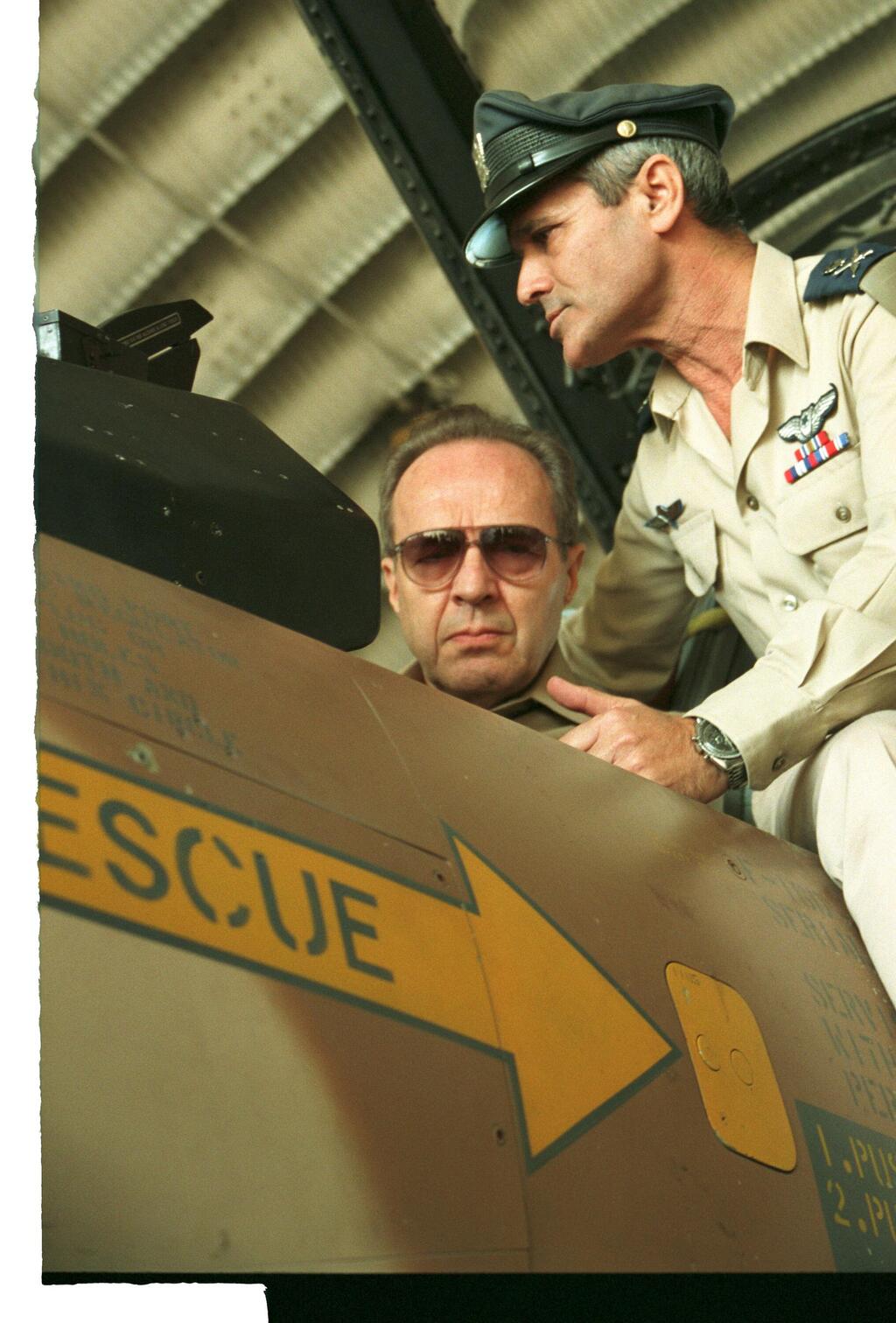
(Photo: David Rubinger)
After retiring from the military, Bodinger became president of RADA Electronic Industries and later chaired the Manufacturers Association’s Committee on Industry-Defense Relations. He also briefly served on the government’s inquiry committee following the 2006 Lebanon War before stepping down for personal reasons.
In 2013, he was considered a leading candidate for National Security Adviser, though Prime Minister Benjamin Netanyahu ultimately appointed Yossi Cohen.
Herzl Bodinger leaves behind a legacy of professionalism, innovation, and dedication that helped shape the modern Israeli Air Force.