

Doctors Without Borders, known by its French acronym MSF, has agreed to provide Israel with a list of its employees after Israeli authorities revoked the organization’s operating licenses in Gaza and the West Bank over claims that some of its staff were involved in terrorist activity.
The move follows weeks of a public dispute between MSF and Israeli authorities, including an Israeli security review that alleged employees of the organization were linked to Hamas and Palestinian Islamic Jihad. Israel’s Coordinator of Government Activities in the Territories, or COGAT, said the refusal to share staff details raised serious security concerns.
On Saturday, MSF said it was prepared to provide Israeli authorities with a defined list of Palestinian and international staff members in order to continue operating.
“Israel has knowingly given MSF and our Palestinian colleagues an impossible choice,” the organization said in a statement posted on X. “Either we provide staff information or abandon hundreds of thousands of Palestinians who need vital medical care.”
MSF described the decision as “an exceptional measure,” saying it followed extensive consultations with Palestinian staff and would only be carried out with the consent of the individuals involved. The organization stressed that staff safety remained its top priority.
Israeli response: ‘We will wait and see’
Israeli security officials responded cautiously, saying the announcement came only after sustained pressure over what they described as a misleading international campaign by MSF.
(Photo: X)
“We will wait and see whether the organization actually submits all required details,” security officials said, stressing that the list must include employees connected to Hamas-run bodies, including those who receive salaries from Gaza’s Hamas-controlled Health Ministry.
Israeli officials said partial disclosure would not be sufficient to meet government registration requirements for international organizations operating in conflict zones.
Allegations of terror ties
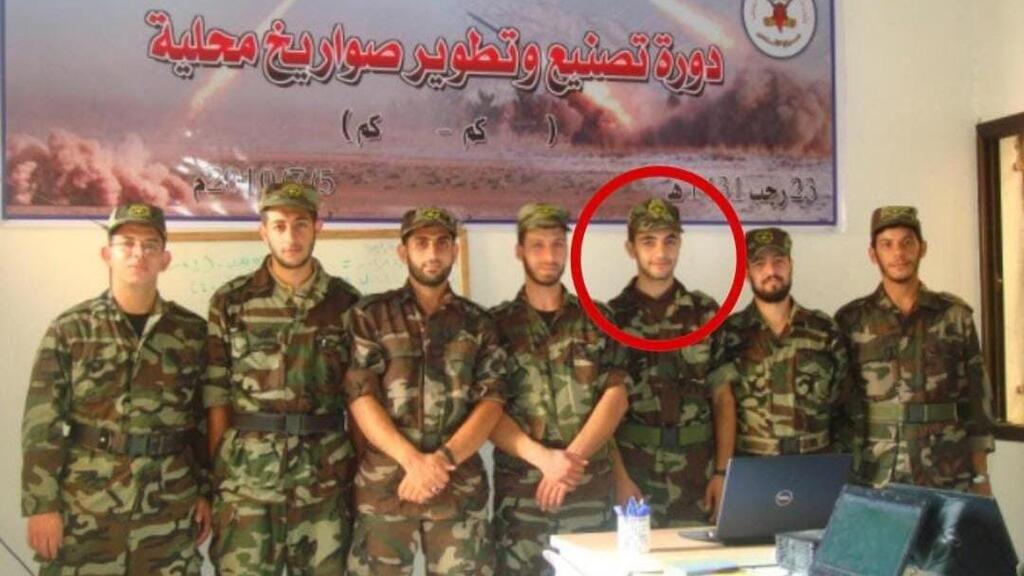
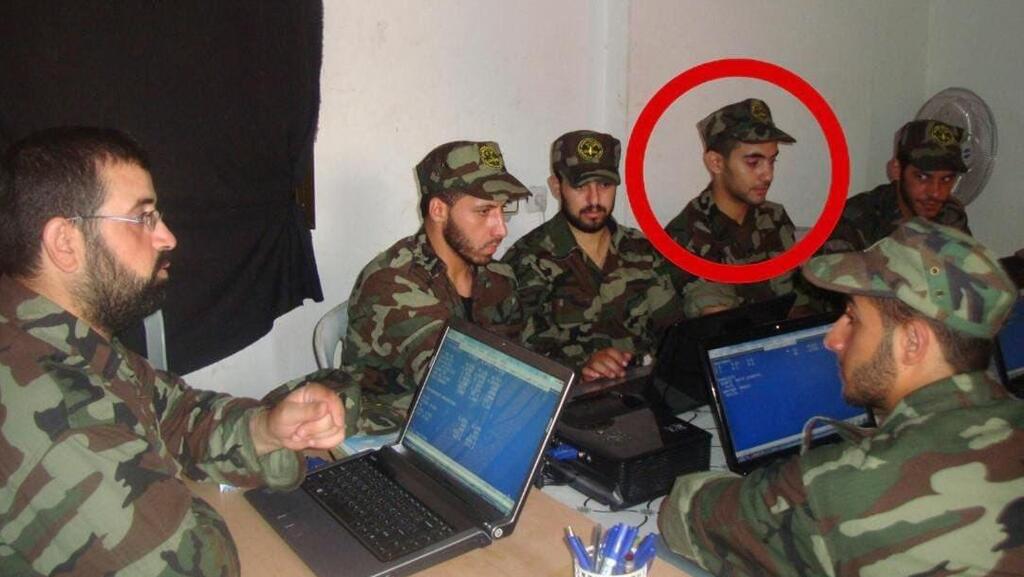
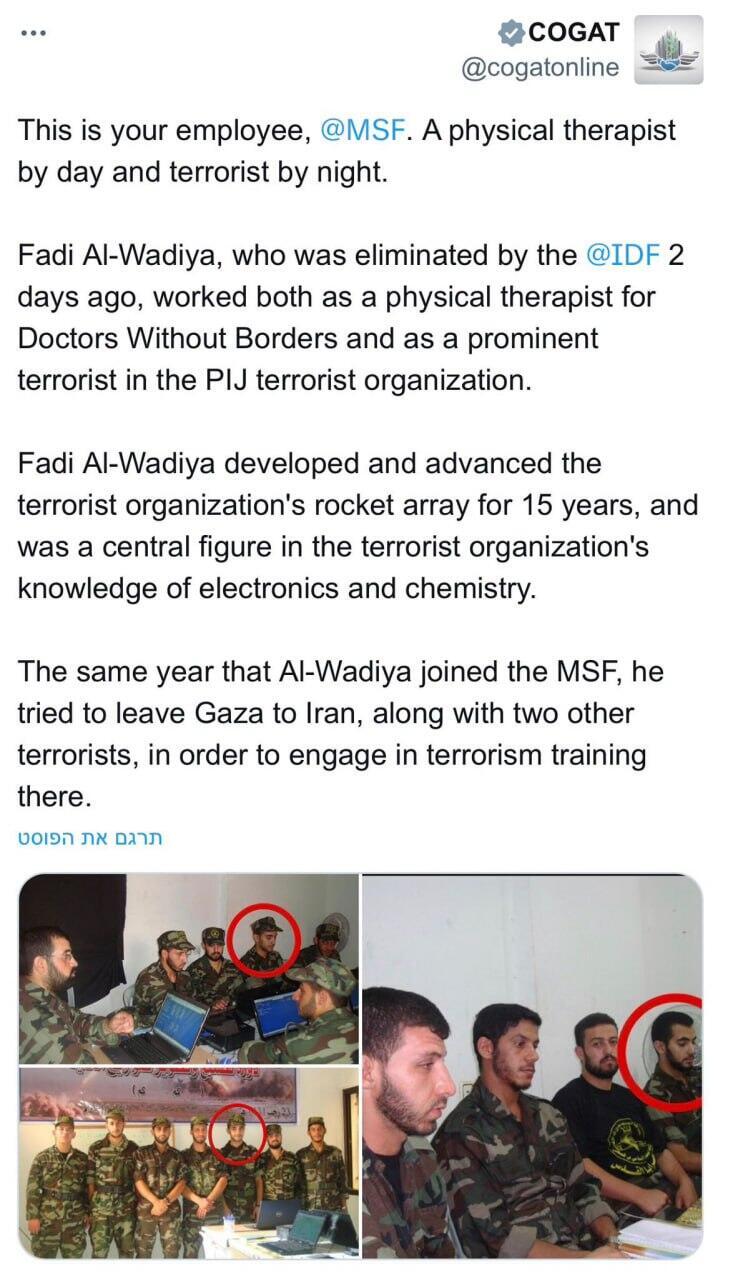
The dispute escalated last month after COGAT published evidence it said showed MSF employees had been involved in terrorist activity. In one widely circulated post, Israeli officials identified a former MSF physical therapist who was later killed in an Israeli strike, alleging he was a senior Palestinian Islamic Jihad operative responsible for advancing rocket capabilities.
COGAT said MSF had repeatedly refused to cooperate with Israel’s registration and vetting process for international aid organizations, despite a government decision requiring full transparency of staff lists.
“It is not a coincidence that MSF refused to cooperate,” COGAT said in a statement. “As previously revealed, employees of Doctors Without Borders have served as terrorists in Hamas and Palestinian Islamic Jihad.”
(Photo: X)
Israeli authorities also rejected MSF’s claims about its central role in Gaza’s health system. COGAT said that since the current cease-fire began, MSF had brought only 95 aid trucks into Gaza, compared with tens of thousands of trucks overall.
According to Israeli data, MSF operates five of Gaza’s roughly 220 clinics and only two of 15 field hospitals, alongside 18 existing hospitals.
“If Doctors Without Borders truly wanted to support humanitarian efforts,” COGAT said, “it would cooperate with the registration process rather than conceal information.”
Ongoing scrutiny
MSF has argued that Israel’s registration requirements create a bottleneck that undermines medical care for Gaza’s population, citing tens of thousands of surgeries and trauma treatments it says it has carried out.
Israeli officials insist that humanitarian access cannot come at the expense of security and that any organization operating in Gaza must ensure its staff are not affiliated with terrorist groups.
The Israeli security establishment said it would review any information provided by MSF before deciding whether to reinstate the organization’s operating licenses.
The dispute underscores Israel’s broader effort to tighten oversight of international aid groups in Gaza amid the war, amid repeated claims that Hamas embeds operatives within civilian and humanitarian frameworks.