


The European Parliament on Wednesday called to freeze funding to the Palestinian Authority over continued incitement in school materials and what lawmakers described as an unfulfilled “textbook reform.”
Lawmakers adopted a series of strongly worded resolutions condemning Palestinian Authority educational content and calling for European funding for the education system to be conditioned, and potentially frozen. It is the seventh consecutive year that the parliament has backed a resolution stating that Palestinian textbooks continue to include antisemitism, incitement to violence and glorification of martyrs and jihad.
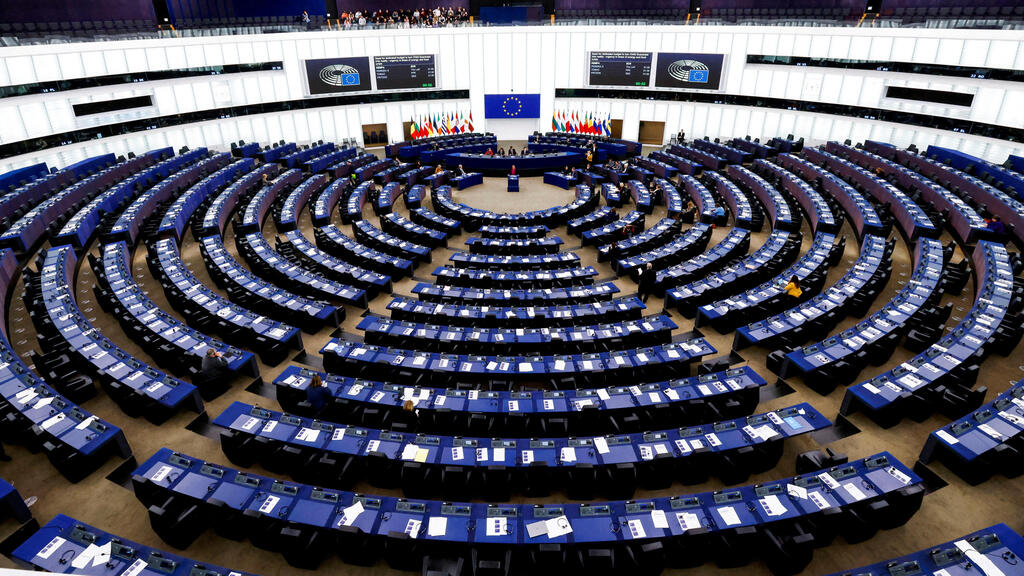
The resolutions were adopted as part of the parliament’s annual budget control process, which examines the use of European taxpayer funds. They state that the Palestinian Authority must “remove all educational materials that do not comply with UNESCO standards,” particularly those containing antisemitism, incitement to violence, glorification of jihad and martyrs, and rejection of peaceful solutions.
The parliament also said continued European funding to the Palestinian Authority should be conditioned on full compliance with those standards. Although the process is declarative, it is considered a key pressure mechanism on the European Commission, the EU’s executive body, and can influence funding terms and policy.
The move comes after EU officials responsible for Palestinian funding said progress had been made in the reform process, including that revised textbooks for grades 1-4 and 12 had been completed and published in October. But recent findings indicate that the reform was not carried out in practice.
In recent months, members of the European Parliament and the European Commission were presented with findings showing a major gap between those claims and the reality in the classroom. As first reported by ynet, a review of 2025-2026 textbooks by IMPACT-se, an international research and policy institute that monitors school curricula around the world, found that the books remained almost entirely unchanged, with no genuine attempt to remove problematic content.
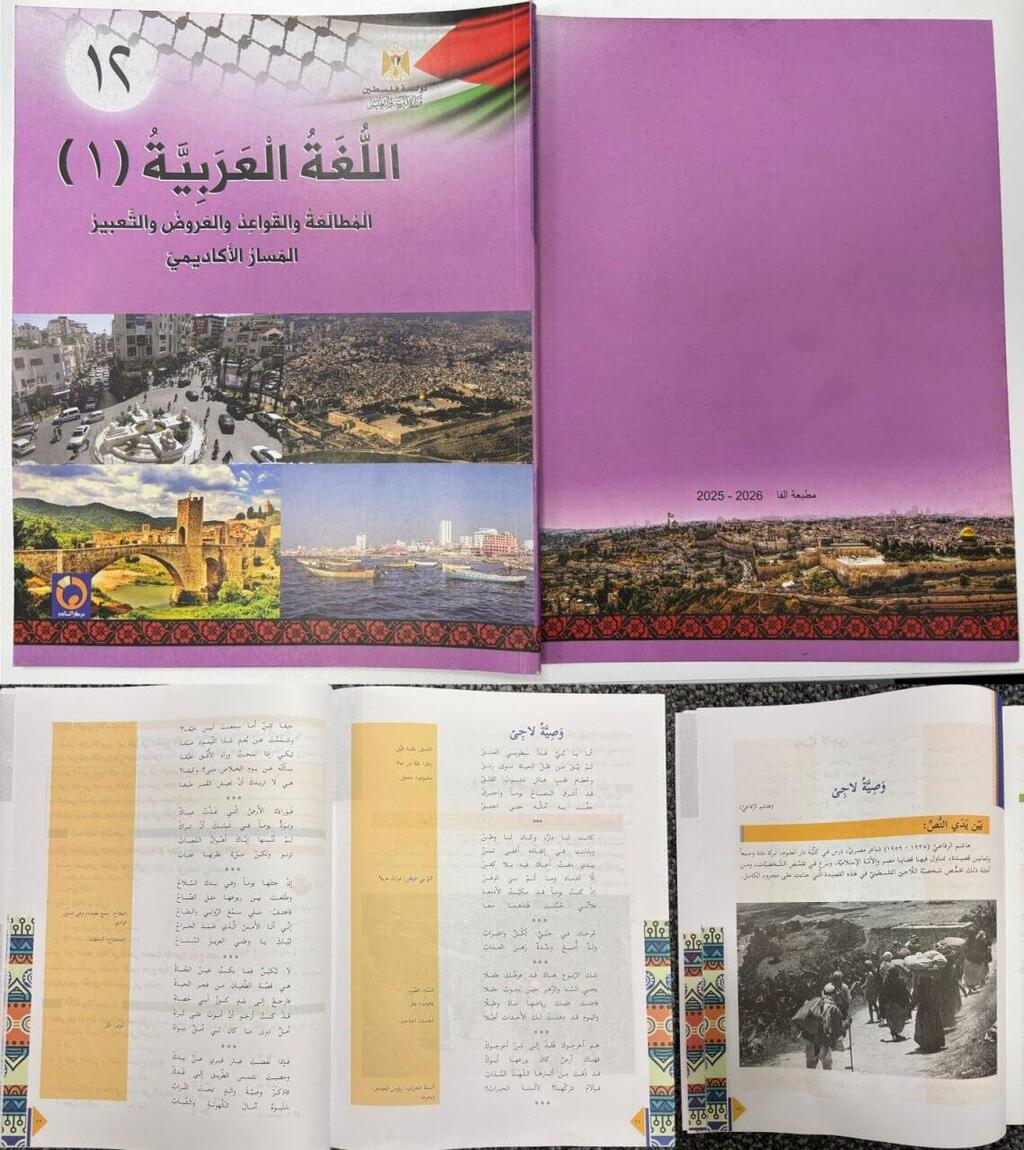
An Arabic-language textbook containing a poem calling on students to violently return to Israeli cities with weapons in hand — a metaphor for the October 7 massacre
For example, an “updated” 12th-grade Islamic education textbook says jihad is a current religious obligation for liberating Palestine from the Zionist occupation. An updated Arabic textbook for the same grade includes a poem calling on students to “return” to cities in Israel “with weapons in hand,” language critics said chillingly echoes the October 7 massacre.
The books submitted by the Palestinian Authority to the EU as part of the reform also include antisemitic lessons portraying Jews collectively as immoral, deceitful and manipulative. Even in a math textbook, the updated material includes an exercise referring to a fictional financial entity named after a Palestinian terrorist from the Popular Front who was killed while preparing a bomb for an attack in Tel Aviv, describing her as a martyr.
The findings were reinforced by an official Arabic-language statement from the Palestinian Education Ministry in February, which said the textbooks in use had not undergone any changes and warned the Palestinian public against “rumors and misinformation” about reforms.
They were also backed by a U.S. State Department report to Congress published Wednesday, which relied on IMPACT-se findings and said Palestinian Authority textbooks “continue to glorify jihad and incite violence.”
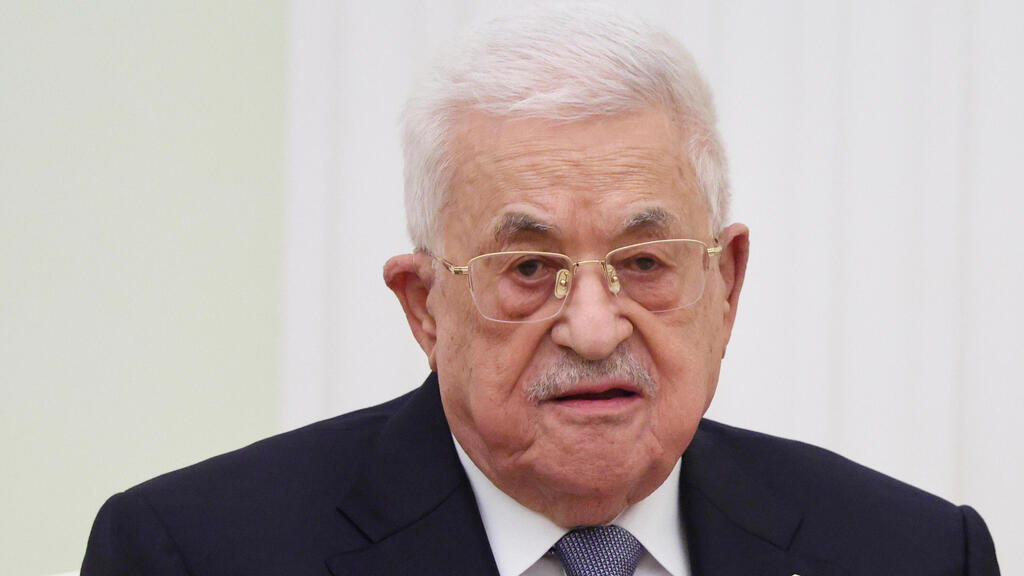
Palestinian Authority President Mahmoud Abbas
(Photo: Ramil Sitdikov/ AP)
The findings, presented to the EU legislature ahead of the vote, were reflected in the final language of the resolutions. Unlike earlier drafts, the adopted text stresses the need to remove all incitement and conditions continued European funding on that change.
Since 2008, the European Union has transferred about 3.8 billion euros to Palestinian education, funding salaries for education officials responsible for writing and teaching the books used by 1.3 million students.
The resolutions won broad cross-party support, including from center-left factions, passing with nearly 70% support in the parliament. The vote was 418 in favor, 207 against and 14 abstentions.
IMPACT-se CEO Marcus Sheff said the European Parliament had sent “a clear and essential message.”
“After the events of October 7, it is impossible for the Palestinian education system to continue being infected with hatred, violence and antisemitism,” Sheff said. “The Palestinian commitment to reform has proved to be an empty promise. It is time for the international community to make clear that this deception carries real political and economic consequences.”
IMPACT-se deputy CEO Arik Agassi said the message from the European Parliament was clear.
“Public funding cannot continue to flow without a genuine examination of what is actually being taught in classrooms,” he said. “Commitments to reform are not enough — proof is required on the ground and from inside the classrooms. As long as the gap between statements and content continues, policy must change accordingly.”