


The horizon disappears. In every direction stretches an endless expanse of blue water. In the distance, the silhouettes of giant merchant ships can be seen waiting to enter Israel’s ports.
About 98% of the goods entering the country arrive by sea, making maritime trade an economic, industrial and strategic lifeline for Israel. For the sailors of Squadron 916 aboard a Dvora-class patrol boat, this space is neither a tourist postcard nor merely a civilian shipping route. It is home, and it is a battlefield.
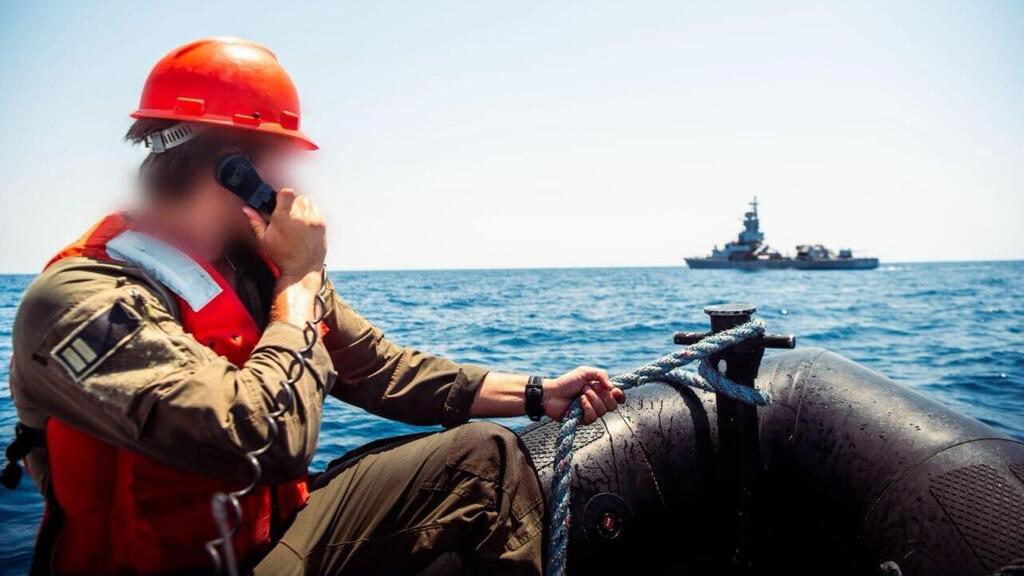
ynet joined the Israel Navy during its largest branch-wide exercise since October 7, a three-day maneuver led by the missile-boat flotilla, Shayetet 3, alongside the submarine flotilla, Shayetet 7, the Shayetet 13 naval commandos and routine-security squadrons.
More than 1,000 sailors took part at sea, with hundreds more operating from command centers and coastal positions. They practiced extreme scenarios ranging from the defense of critical strategic assets, including the Tamar, Leviathan and Karish gas rigs, to long-range strikes far beyond Israel’s shores.
To understand the sea, one must first pass through the Dvora.
The small, fast patrol boat is a world of its own, run in a language only sailors understand. Between shifts, troops “spread out” on the deck, finding a corner to rest. There are no mobile phones at sea. They are collected and locked away by the commander before the vessel leaves the dock.
Cut off from the outside world, spending one week at sea and one week ashore, the sailors develop their own culture. What holds them together are jokes, stories, heated arguments and “falabra,” their term for idle chatter.
On Saturday nights, there is a strict tradition: only pasta is cooked.
(Photo: IDF)
But the isolation also sharpens their vigilance. They know that in a single moment, the quiet of the “falabra” can become an infiltration attempt or an operation to intercept an aerial threat.
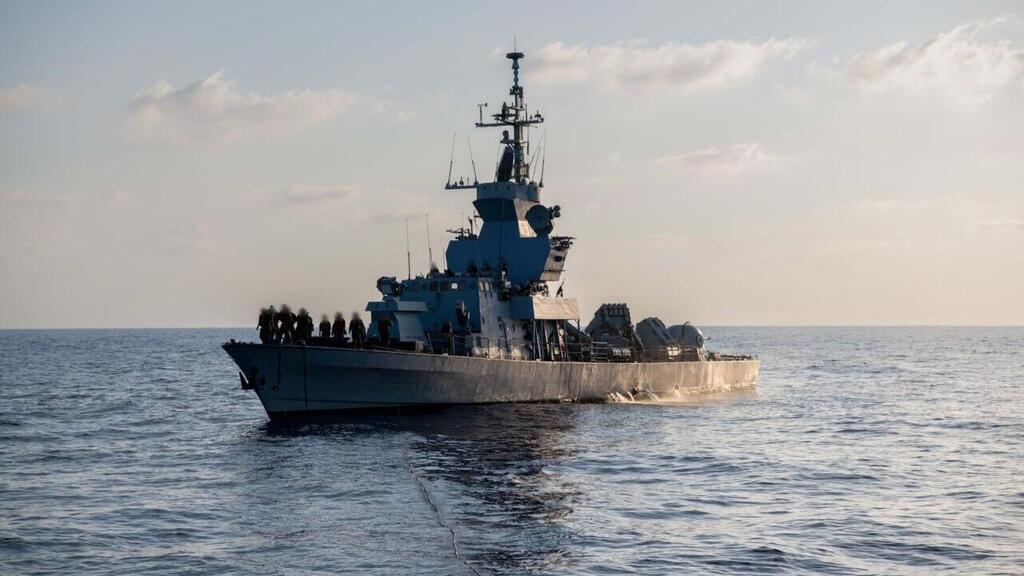
After 20 minutes of being tossed by the waves, the Dvora stops. Ahead rises an imposing steel giant, the INS Atzmaut, a Sa’ar 6-class missile corvette.
A difficult climb up a rope ladder along the side of the ship leads directly into a naval weapons platform.
If the Dvora is an infantry fighter, the missile boat is an entire brigade, a technological showcase and a floating piece of Israeli sovereign territory.
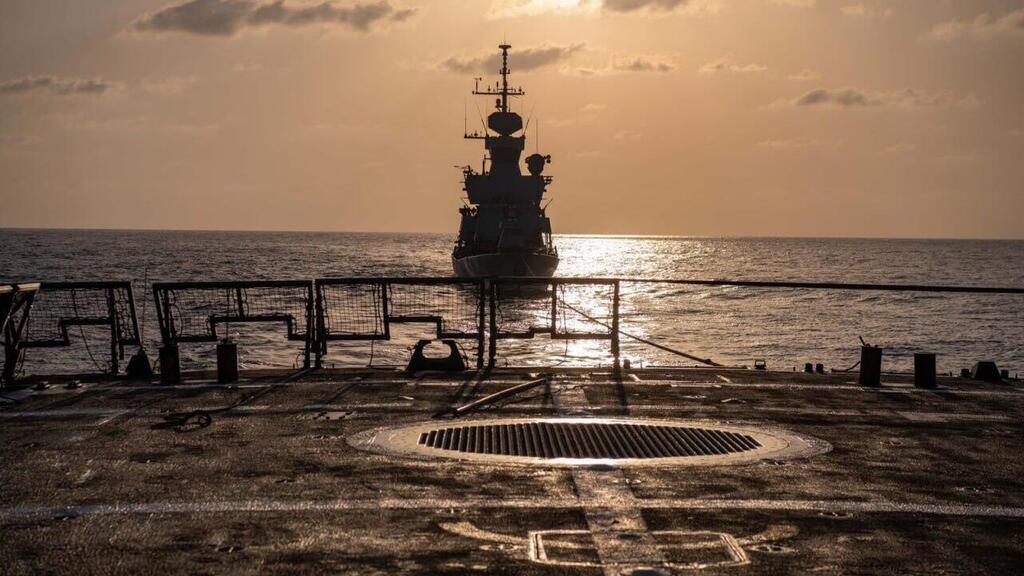
In a normal year, an average missile boat logs about 1,500 hours at sea. The INS Atzmaut, which spent exceptionally long periods at sea during the war to maintain operational readiness and avoid exposing the ports to danger, recorded more than 4,100 sea hours in 2024.
By August 2026, it had already sailed for more than 1,500 hours, with much of the year still remaining.
(Photo: IDF)
Inside, dozens of sailors operate some of the world’s most advanced systems. The ship can intercept missiles, strike targets hundreds of kilometers inland and serve as a forward base for prolonged ambushes under a cloak of secrecy, monitoring a target for months without being detected.
The passageways are narrow. Steep stairs, metal, cables and machinery surround those moving through the vessel. It feels like walking inside a war machine.
The sea as a strategic weapon
The exercise and the events of recent years have reinforced one central conclusion: the maritime arena is no longer a secondary front.
It has become a strategic center of gravity capable of shifting the balance in a war between major powers.
The confrontations between the United States and Iran around the Strait of Hormuz, together with the threats in the Bab el-Mandeb Strait, demonstrated that control of maritime chokepoints and shipping lanes is no longer a matter of routine security.
It is an operational lever capable of paralyzing countries and inflicting severe economic damage.
Against this backdrop, Israel Navy chief Vice Adm. Eyal Harel, who entered the post in April, is advancing an ambitious goal: transforming the Navy into a “regional power.”
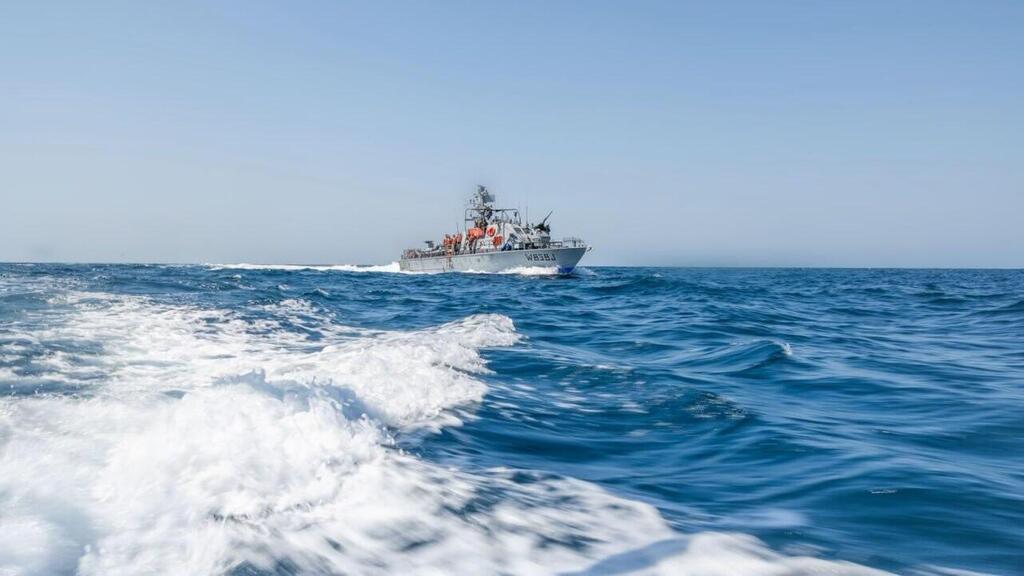
Dvora-class patrol boat
(Photo: IDF)
The strategic plan calls for expanding the missile-boat fleet from its current 15 vessels to 17, then 19 and eventually as many as 21 warships.
It also includes acquiring the multirole Reshef-class vessels and deepening international cooperation, from the Greek navy to emerging partnerships in Africa with countries such as Ethiopia and Somaliland.
The future threat map will test that vision.
Turkey, for example, has for years been deploying maritime assets to areas where it previously had no presence. It is not currently Israel’s primary reference threat, but as recent events have shown, the Middle East can change in an instant.
‘Like a game of snooker’
In recent years, the Navy has also confronted protest flotillas attempting to reach Gaza.
An examination of the latest operations reveals an approach designed to neutralize the threat five or six days before it reaches Israeli shores.
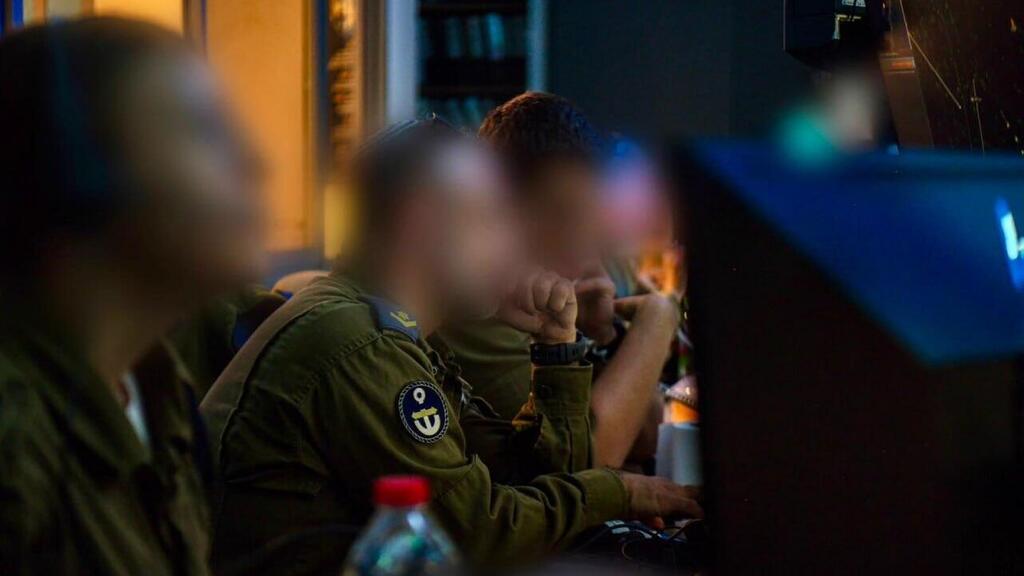
An operational lever capable of paralyzing countries. The Israel Navy exercise
(Photo: IDF)
“The forces arrive with a security envelope capable of isolating the flotilla boats,” a senior security official said. “Naval commandos raid the boats in darkness, arrest the activists and move from vessel to vessel.”
The official compared the operation to a game of snooker.
“Once you capture the first boat, all the others scatter in different directions,” he said.
“We close in on them quickly, and then there is time. We can dismantle 40 boats in a night, monitor the shipping route and then act again. Most of them want to get it over with. Some of the skippers are doing it for the money. They are not particularly interested in Gaza or the blockade. They say so themselves.”
The sailors aboard the missile boats are unusual even within the IDF.
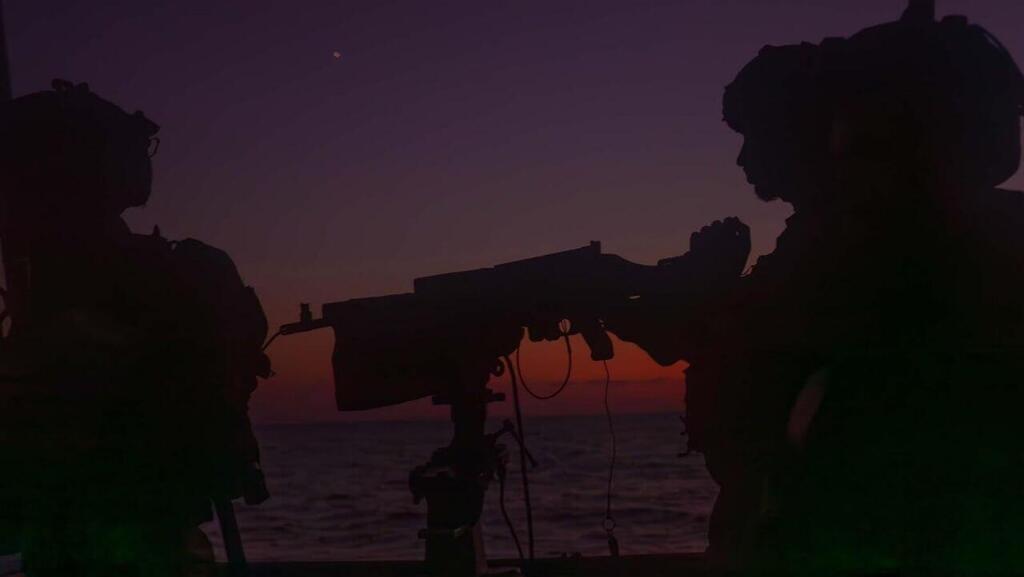
Sailors during the Israel Navy exercise
(Photo: IDF)
They are closely bonded. They turn pages in books instead of scrolling through Instagram videos. They study machines rather than photograph themselves against the impressive sea views. Some still carry MP3 players.
Yes, they still exist, and some of their users serve in the Israel Navy.
Each missile boat is divided into sections, with a chief responsible for every area. To prevent catastrophic fires or flooding, each part of the warship can be sealed off and isolated from the rest.
There is little doubt about the quality of the Navy’s personnel. The men and women who spend weeks at sea, cut off from the outside world and maintaining a tense emergency routine, form one of Israel’s most important defensive barriers.
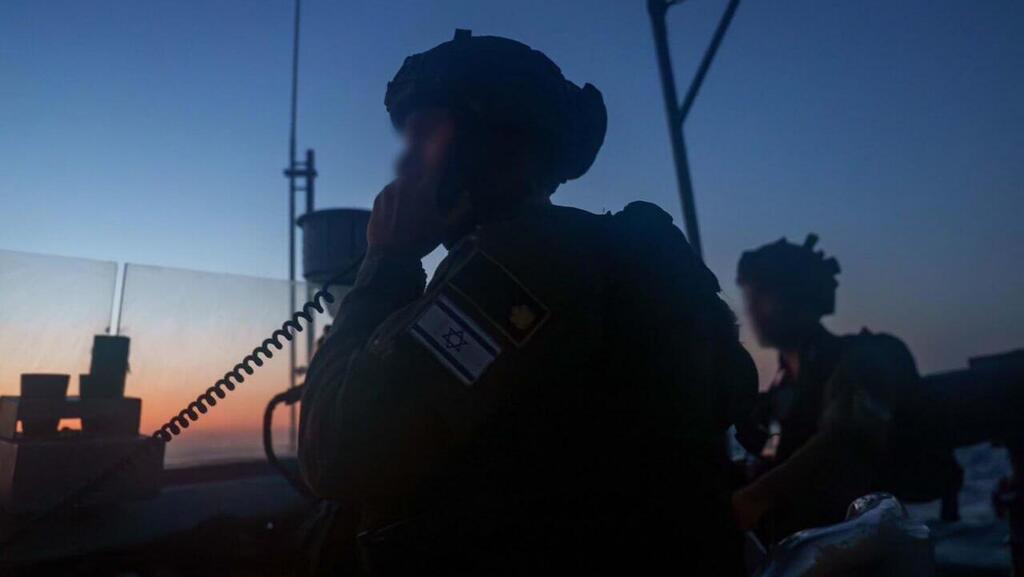
(Photo: IDF)
But in a complex, all-out war in which Israel’s shipping and supply routes are attacked simultaneously across several distant arenas, the Navy would have to contend with an extraordinary volume of fire.
After three days, the exercise ends.
The crews of the INS Atzmaut and the Dvora patrol boats return to shore for a brief pause, maintenance and perhaps a few calls home before heading back to sea.
Today’s Israel Navy understands the scale of the moment. It wants to grow stronger and improve constantly.
But the path from an excellent, flexible and highly capable tactical fleet to a true maritime power in the Mediterranean remains long.
Israel will have to invest heavily in building the Navy’s force, and its commander hopes he will be given the opportunity to do so.