


The Americans are making it clear: they are fully engaged and not letting go. Since the cease-fire took effect a week ago, senior White House officials have been in Israel, effectively managing the operation. Alongside President Donald Trump’s visit, his envoys—the “deal architects”—toured Gaza, met with released hostages, and even joined a meeting at IDF headquarters, an unusual move.
Vice President J.D. Vance arrived Tuesday to oversee operations, and Secretary of State Marco Rubio is expected in Israel in the coming days for a two- to three-day stay.
Vice President J.D. Vance's statement at the Kiryat Gat center
(Video: U.S. Embassy Jerusalem)


In recent months, Israel has effectively become a U.S. protectorate: decisions are made in Washington, directives come from there, and Jerusalem is compelled to follow suit. In Kiryat Gat, the new international command center for implementing the Trump Agreement is already operational. The site hosts troops not only from the U.S., UK and Canada, but also from Jordan and the United Arab Emirates—nations that prefer to stay out of the spotlight.
The center, leading the second stage of Trump’s plan, is located in a large industrial complex and flies the flags of Denmark, Germany and Jordan—but notably not those of Turkey or Qatar, amid concerns over their potential postwar roles in Gaza. Separate floors are designated for Israeli and American personnel, with one shared level.
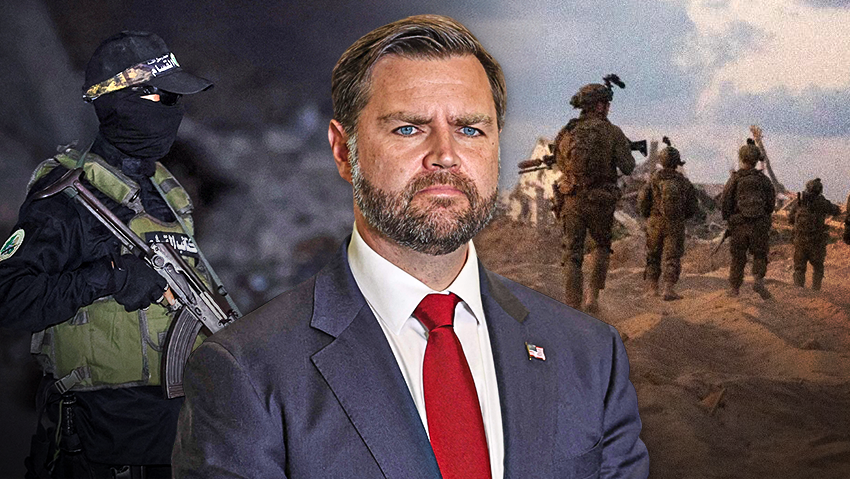
Washington leads, Israel follows
When President Trump unveiled his 20-point plan, it was clear that many issues would remain vague. Israel has been shaping its actions on the go, which is why the Americans insist on maintaining a presence—to keep things from unraveling.
At the start of his statement Tuesday, Vance said Western media often frame every crisis as a failure, “sometimes even waiting for it.” His remark was aimed at preparing public opinion for what lies ahead: there will be setbacks, he said, and patience is required.
The vice president held his press conference at the Kiryat Gat command center, answering questions and emphasizing Washington’s main messages. He promised that no foreign troops would be forced on Israel against its will, an apparent reference to concerns about Turkish and Qatari involvement. Nations seeking to contribute to stability, he said, could do so through funding, humanitarian aid or participation in the still-forming international stabilization force.
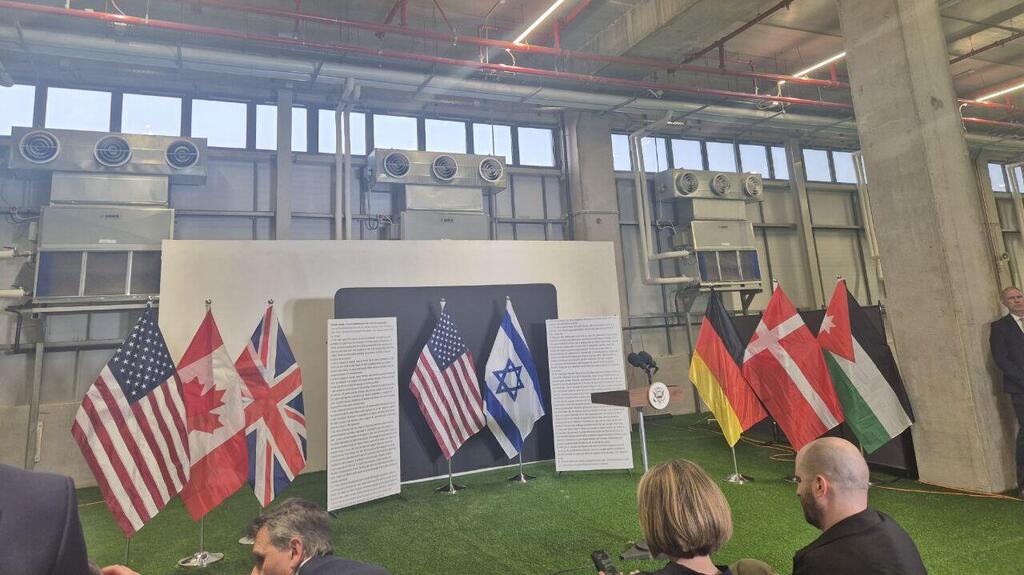
The ceasefire command center in Kiryat Gat
(Photo: Itamar Eichner)
Reports indicate that several countries are hesitant to commit troops to Gaza as long as Hamas remains armed, fearing they could be seen as occupiers.
Vance vowed determination in locating the remains of hostages still in Gaza, urged patience, acknowledged the challenges ahead but struck an optimistic tone. Representing the MAGA wing of the administration, he stressed that no American soldiers would enter Gaza itself but would coordinate efforts from outside. Echoing Trump’s own recent remarks, he voiced confidence that normalization with Arab states would expand and warned Hamas: if it does not disarm, “it will be destroyed.”
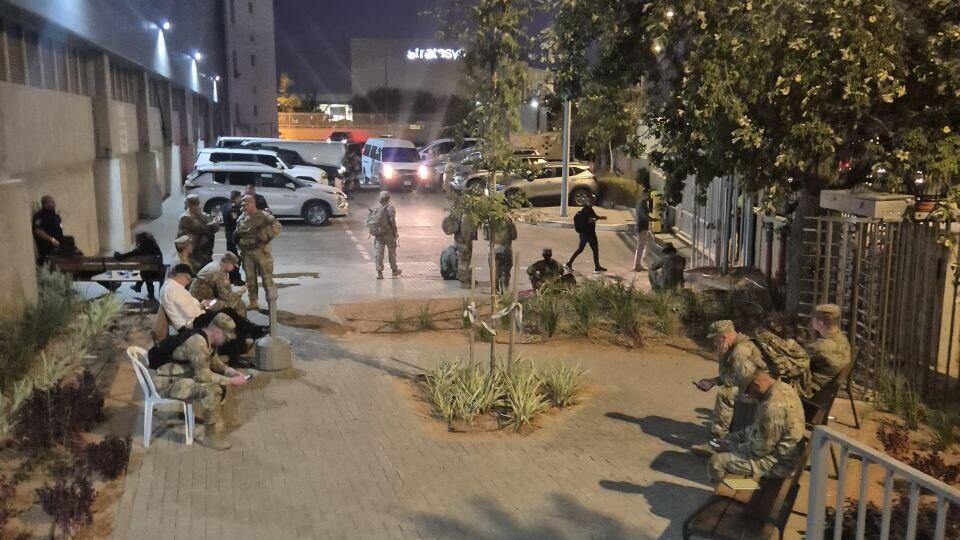
Troops from several countries gather at the command center
(Photo: Itamar Eichner)
Full American control
Behind the scenes, Jared Kushner, Steve Witkoff, and U.S. Central Command chief Adm. Brad Cooper are directing the mission—first, the recovery of fallen hostages, then the creation of the stabilization force, followed by reconstruction. Progress will take time, but U.S. officials remain optimistic. One lever of pressure on Hamas is reconstruction itself: on Tuesday, Kushner announced that no rebuilding would begin in areas still under Hamas control or receive funds.
Kushner was referring to zones on either side of the so-called yellow line, the boundary to which IDF forces withdrew when the cease-fire began. Reconstruction will proceed only in territories now under Israeli control, he said.
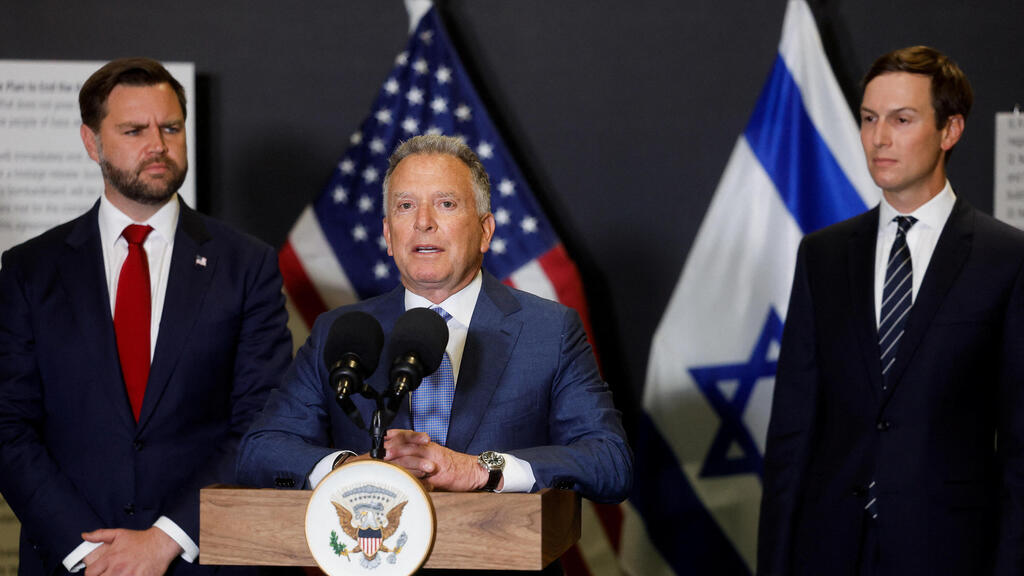
J.K. Vance, Steve Witkoff and Jared Kushner
(Photo: Reuters/ Ammar Awad)
The Americans, now firmly in charge, want to know everything happening in Gaza. With their own intelligence network, they often instruct the IDF to cancel operations they view as endangering the cease-fire. From a military standpoint, Adm. Cooper oversees the mission, assisted by U.S. Gen. Patrick Frank and a British general.
Inside the Kiryat Gat center, Israeli officers of all ranks, reservists and active-duty soldiers work alongside foreign troops. The facility includes a large dining hall where all contingents eat together. It is a civilian site converted for military coordination rather than an IDF base.
At Washington’s request, the U.K. recently sent a small group of officers to join the stabilization force. The British Ministry of Defence confirmed “a small number of British officers” were embedded in the international command, saying the move ensures British participation in planning and leadership efforts. “The U.K. continues to work with international partners to support the cease-fire in Gaza and identify where it can best contribute to the peace process,” a ministry spokesperson said.