

Opposition leader Yair Lapid, Yashar party chair Gadi Eisenkot, Democrats chair Yair Golan and former minister Tzipi Livni attended Saturday night’s rally at Rabin Square marking 30 years since the assassination of Prime Minister Yitzhak Rabin. Tens of thousands gathered. The event opened with the song “Shir HaRe’ut” and ended with a moment of silence at 9:45 p.m., the hour of the killing, and Miri Aloni’s “Song for Peace,” which she also sang at the 1995 rally.
Lapid, the first speaker, said the three bullets fired in the square were meant to kill not only a leader but an idea. “That is the meaning of political murder, to kill both a man and a vision,” he said. He accused extremists of claiming Judaism supersedes democracy and of using that claim to justify violence. “That is not Judaism,” he said. “The extremists do not represent it. In this square, Judaism did not pull the trigger. Judaism was shot. Judaism did not murder. Judaism was murdered.”
Gallery
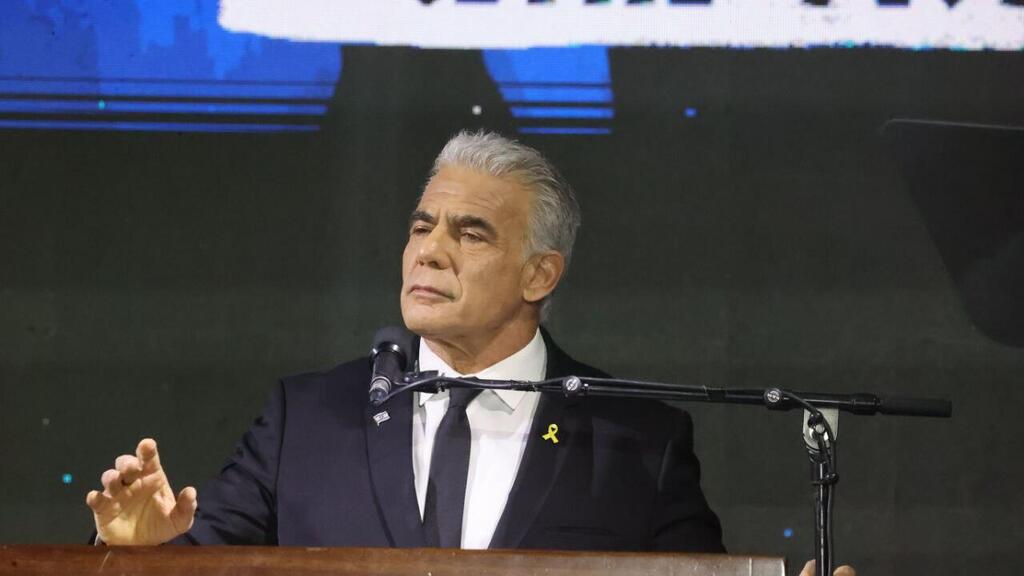
Lapid at Rally marking 30 years since the assassination of Yitzhak Rabin
(Photo: Moti Kimchi)
“The three bullets fired here in the square were meant not only to kill a leader but to kill an idea,” Lapid said. “That is the meaning of political murder, to kill both a man and a vision. The man was killed. It is our duty to make sure the vision lives on. Yigal Amir did not only try to kill the Oslo process. He tried to kill something much greater, the idea that a country can be both strong and peace-seeking, both national and liberal, and above all, both Jewish and democratic.”
Lapid urged religious Israelis who had spoken out after the assassination to raise their voices again. He condemned violent rhetoric, including calls to use atomic weapons on Gaza and settler violence. He said Judaism “does not belong to extremists, the corrupt or draft dodgers” and invoked the biblical principle that human life is sacred.
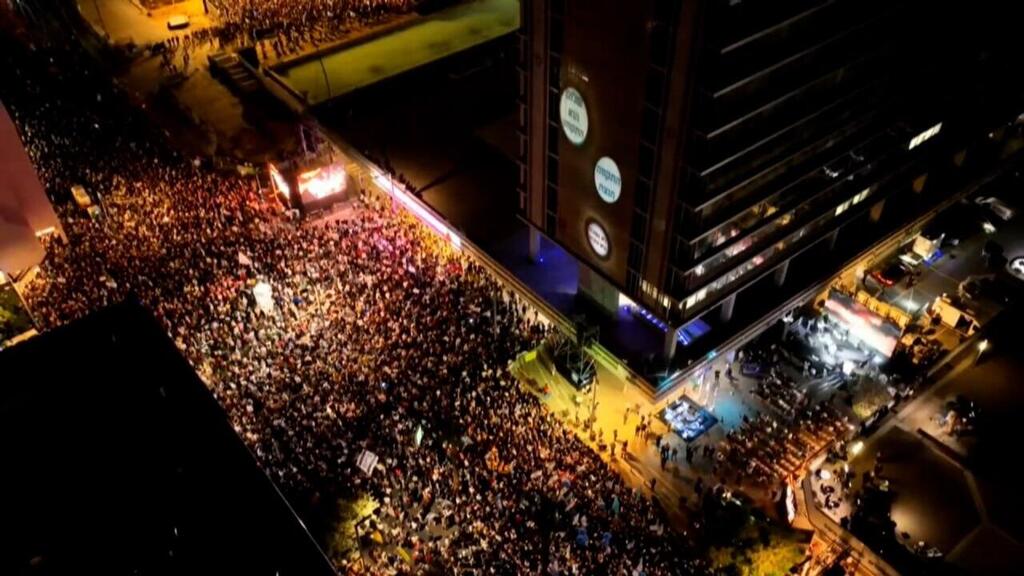
Rally marking 30 years since the assassination of Yitzhak Rabin
Lapid said Zionism, the Declaration of Independence and Israel’s democracy are rooted in Jewish tradition, and that leaders who try to separate those concepts are “merchants of hate.” He praised acts of service and sacrifice as Jewish values, from wartime leaders to those working for peace and protecting minority rights.
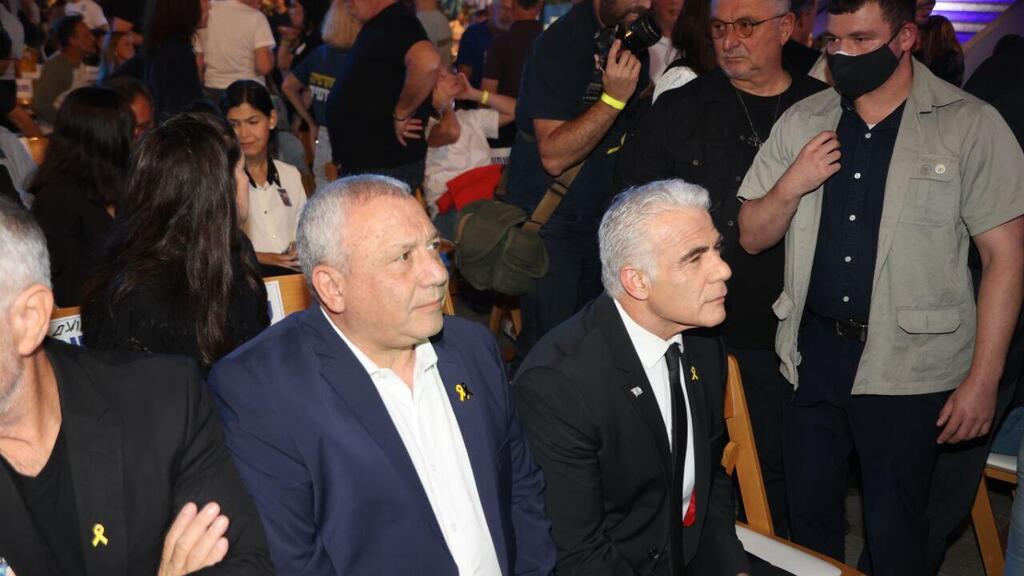
Lapid and Eisenkot at the memorial rally
(Photo: Moti Kimchi)
Gadi Mozes, a former Hamas captive from kibbutz Nir Oz, spoke about his 482 days in Gaza and urged Israelis to choose peace for the sake of future generations. He said, “If I can stand here and say these things out loud, then all of us can. I must broadcast this hope and faith. We must convince the nation that choosing peace is choosing the future of our children and the revival of our people.” He recalled Rabin as a soldier and leader who took responsibility and paid with his life. Mozes said that after a failed rescue attempt he watched Rabin assume responsibility on camera. “He was an honest man and a brave leader, and I know that if Yitzhak Rabin were prime minister today, no one would be left behind. He would not have given up on us, the captives, for two years. He would not have turned a blind eye until everyone returned home, including the fallen.”
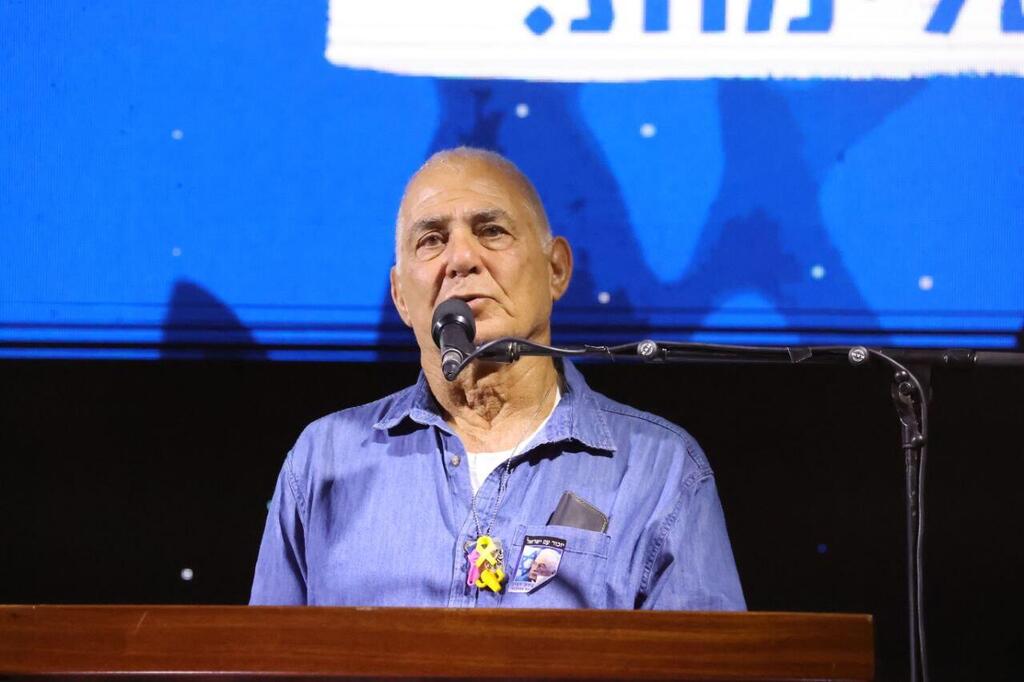
Gadi Mozes
(Photo: Moti Kimchi)
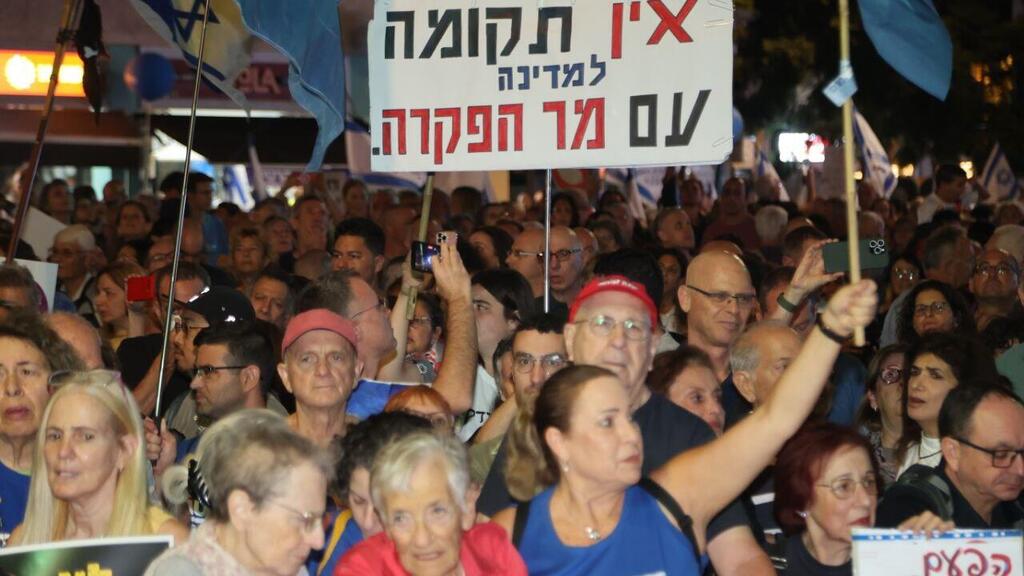
(Photo: Moti Kimchi)
Eisenkot opened by addressing those who thought the memorial was not for them. “Your place is here with us,” he said. He called Rabin “a true man of security” whose leadership combined strength and political action. Comparing Rabin’s era to today, Eisenkot said Rabin was asked to replace the failed government of 1973 and that then leaders took responsibility in words and deeds. He called for renewed solidarity, a state inquiry and equal conscription law.
Golan said the three shots still echo and that they reverberate now in a government he accused of acting against its citizens. He warned that democracy is trampled whenever governments incite against their people, brand patriots as traitors, detain protesters, silence media and diminish the judiciary.
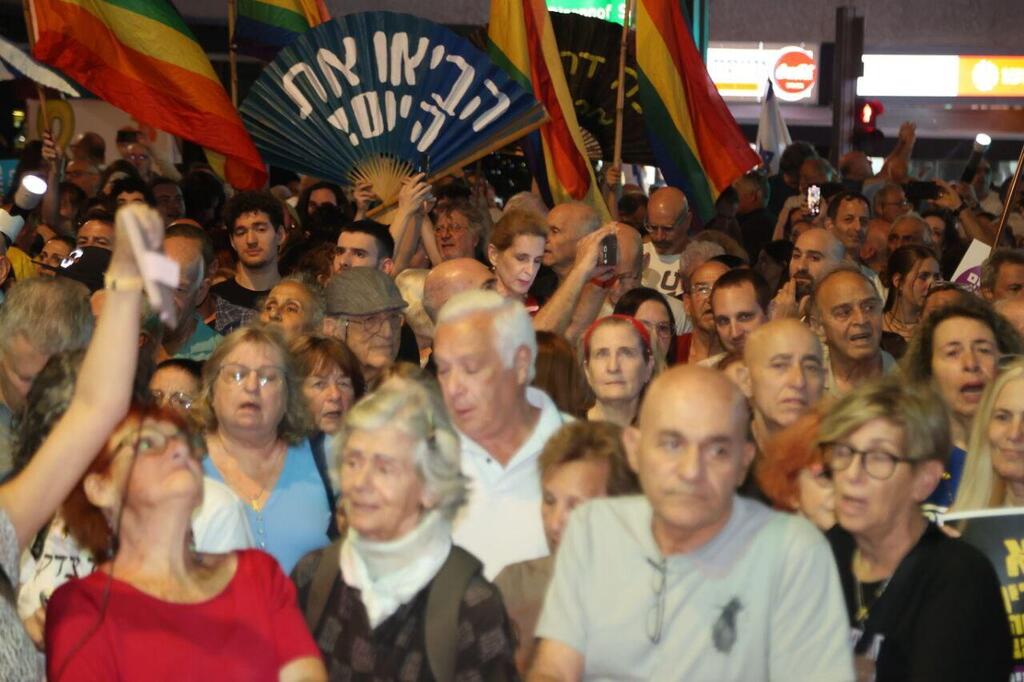
(Photo: Moti Kimchi)
Livni said that 30 years ago the three bullets attempted to kill democracy and that today attempts continue through what she called extreme legislation and political takeover of the justice system. She warned against the false prophets who promise victory through more force and argued that saving the hostages and pursuing a political settlement are not mutually exclusive.
Organizers from the Returning to the Square movement said in a statement that 30 years after the assassination and two years after the October 7, 2023 massacre, incitement and division are rising again. They called on Israelis to return to the square and pledge to remain united in hope and reconciliation despite differences.
Rabin’s final speech was screened on giant displays along Ibn Gvirol and around the square. The memorial took place three days before the Gregorian anniversary of the assassination on Nov. 4.
First published: 21:16, 11.01.25