

France will now support the inclusion of Iran’s Islamic Revolutionary Guard Corps (IRGC) on the European Union’s list of terrorist organizations, a move Paris had long hesitated to back for fear it could sever ties with Iran.
European Union foreign ministers are meeting in Brussels on Thursday and were already expected to approve new sanctions in response to Iran’s crackdown on protests that has left thousands killed and thousands more arrested.
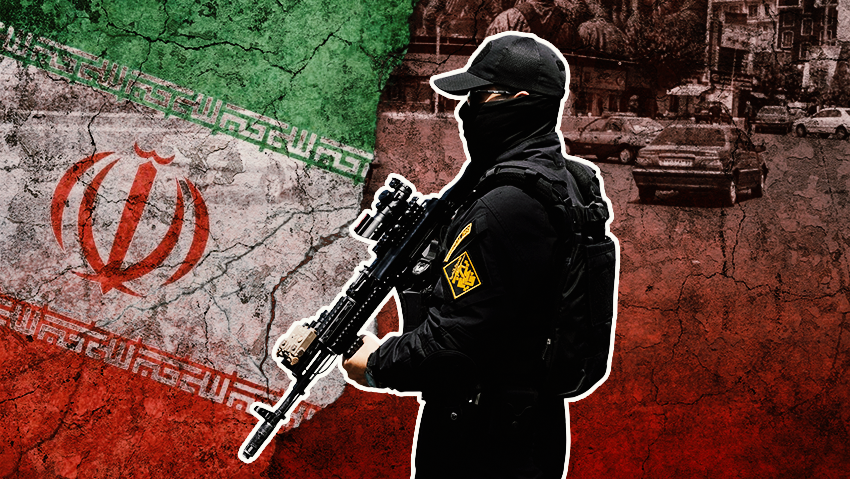
(Photo: AP Photo/Vahid Salemi, shutterstock)
Until earlier Wednesday, France had been reluctant to support the majority of EU member states pushing to add the IRGC to the bloc’s terrorist list, following a similar move by the United States.
“The unbearable repression of the peaceful uprising of the Iranian people cannot go unanswered. The extraordinary courage they have shown in the face of blind violence cannot be in vain,” Foreign Minister Jean-Noel Barrot said on X, adding that France would now back the designation.
The French presidency earlier announced the decision.
The IRGC was established after Iran’s 1979 Islamic Revolution to protect the Shiite clerical ruling system. It wields significant influence in the country, controlling large parts of the economy and armed forces, and oversees Iran’s ballistic missile and nuclear programs.
With France, Italy and Germany now in favor, the decision is likely to receive political approval on Thursday.
While some EU member states have long pushed for the IRGC to be designated as a terrorist organization, others — led by France — had urged caution. Paris had feared the move could lead to a complete breakdown in relations with Iran, affect diplomatic missions and undermine efforts to secure the release of European citizens detained in Iranian prisons.
France has been particularly concerned about the fate of two of its citizens currently living at its embassy in Tehran after being released from prison last year.
Anti-government protests that swept across Iran since December have triggered the bloodiest crackdown since the 1979 revolution, drawing widespread international condemnation.
Diplomats backing the move said the scale of the crackdown requires Europe to send a strong political signal, citing the IRGC’s role in suppressing protests and its activities abroad, which they described as tantamount to terrorism.
“If it walks like a duck and quacks like a duck, then it’s probably a duck, and it’s good to call that out,” one senior EU diplomat said.