



Polling stations in small communities in the Arava region of southern Israel are set to close at 8 p.m. Tuesday, but stormy weather and flash floods have left residents stranded on roads, unable to reach their polling stations.
Residents of the Tamar Regional Council area, particularly Neot HaKikar south of the Dead Sea, have been stuck in their vehicles because of police roadblocks. Those who have yet to vote fear they will not make it home before polling stations close.
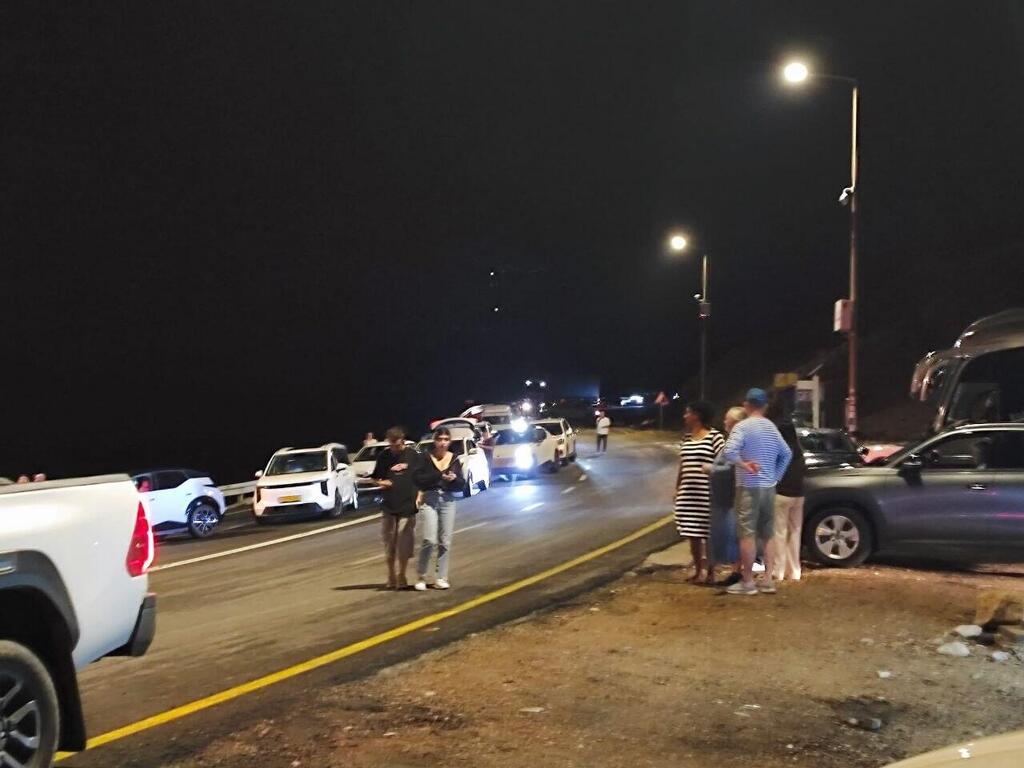
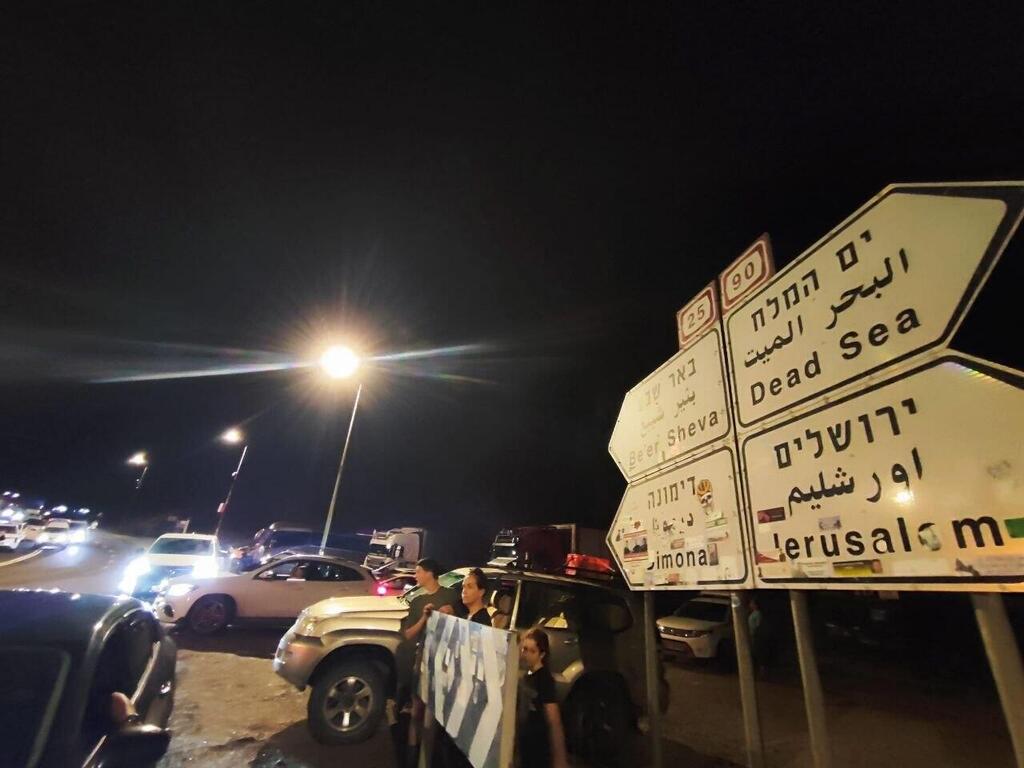
Earlier, police closed Route 90 and roads connecting Eilat with Dimona and Ein Gedi in both directions because of the severe weather. Yoni Stern, a resident of Neot HaKikar, said: "Many Arava residents, myself included, are stuck on the road and cannot exercise our right to vote. We're getting no response from the Central Elections Committee, and no response from the police. I'm stuck at Arava Junction and need to get to my polling station. They need to extend voting hours or reopen the road," he demanded.
Earlier, Likud appealed to Central Elections Committee chairman and Supreme Court Deputy President Noam Sohlberg, demanding an extension of voting hours. The request was subsequently backed by Itamar Ben-Gvir's Otzma Yehudit party, Aryeh Deri's Shas and Ofer Winter's Amcha Yisrael. Gadi Eisenkot's Yashar! party opposed the request, joined by Naftali Bennett's Yachad and Yair Golan's Democrats. The Central Elections Committee announced that it would discuss the request.
Floodwaters flowing toward the Dead Sea
(Video: Society for the Protection of Nature in Israel)


Flash floods in southern Israel on Tuesday
(Video: Israel Police)

Rain in Jerusalem
(Photo: Alex Kolomoisky)
Heavy rain across southern Israel on Tuesday caused flash floods in streams from the Eilat area through the Negev to the northern Arava and Dead Sea region. All roads leading into and out of Eilat have been closed to traffic, although residents are still permitted to leave the city to reach Ramon Airport. Police urged drivers to avoid closed roads, remain patient and follow instructions from officers at the scene. Rain also began falling in central Israel and the lowlands.
Several highways in southern Israel were closed to traffic. Route 90 was blocked from Lido Junction to Eilat, with additional closures in the Dead Sea area at the hotel roundabout, Masada Junction, Nahal Arugot and David Roundabout. Route 57 was closed in both directions between Adam Junction and Bekaot Junction. Route 25 was blocked between Tzafit Junction and Arava Junction, as well as from Oron Junction toward Route 206 at Ma'ale Akrabim. Route 40 was closed between Mitzpe Ramon and Tzihor Junction, Route 13 between Menuha Junction and Tzihor Junction, and Route 12 between Eilat and Neot Smadar.
At Mount Shagov near Eilat, 17 millimeters of rain were recorded in just three hours. Neot Smadar in the Arava also received an unusually large amount of rain for the area, 8.4 millimeters, roughly a quarter of its annual rainfall. In Ma'ale Adumim, 8 millimeters of rain fell from midday, while a similar amount was recorded Monday evening in Masada, south of the Sea of Galilee.