

The death toll from Iran’s nationwide protests has reached at least 2,571 people, the US-based Human Rights Activists News Agency said Wednesday, as the Islamic Republic faces its biggest wave of dissent in years and mounting international pressure over its crackdown.
HRANA said it had verified the deaths of 2,403 protesters, 147 government-affiliated individuals, 12 people under 18 and nine non-protester civilians. Iranian officials acknowledged Tuesday that about 2,000 people had been killed, the first time authorities have offered an overall toll since unrest erupted more than two weeks ago.
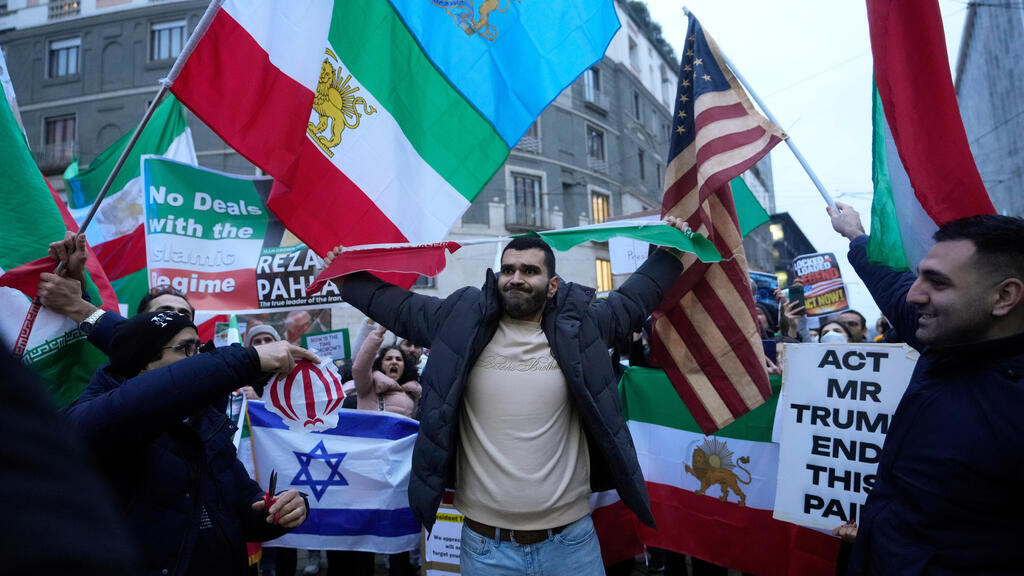
The protests, sparked by dire economic conditions, have spread across the country and pose the most serious internal challenge to Iran’s clerical leadership in at least three years. The unrest has also unfolded amid intensifying international pressure after Israeli and US strikes last year, leaving Tehran increasingly exposed abroad as it tightens control at home.
President Donald Trump urged Iranians on Tuesday to keep protesting, saying help was on the way. Asked what he meant, Trump told reporters they would have to figure that out. Trump has also said military action is among the options he is weighing in response to Iran’s crackdown.
Iranian women throw their hijabs into a fire


“I think it’s a lot,” Trump said when asked about the death toll. “It’s more than too much. Nobody has been able to give me an exact number. I’ve heard numbers. It’s a lot. We’ll probably find out within the next 24 hours.”
Trump added that it was a good idea for Americans to leave Iran. His remarks came as a growing list of countries urged their citizens to depart. France, Canada, Germany, the United States, Japan and New Zealand are among those issuing travel warnings or evacuation advisories, citing deteriorating security conditions and the regime’s sweeping crackdown.
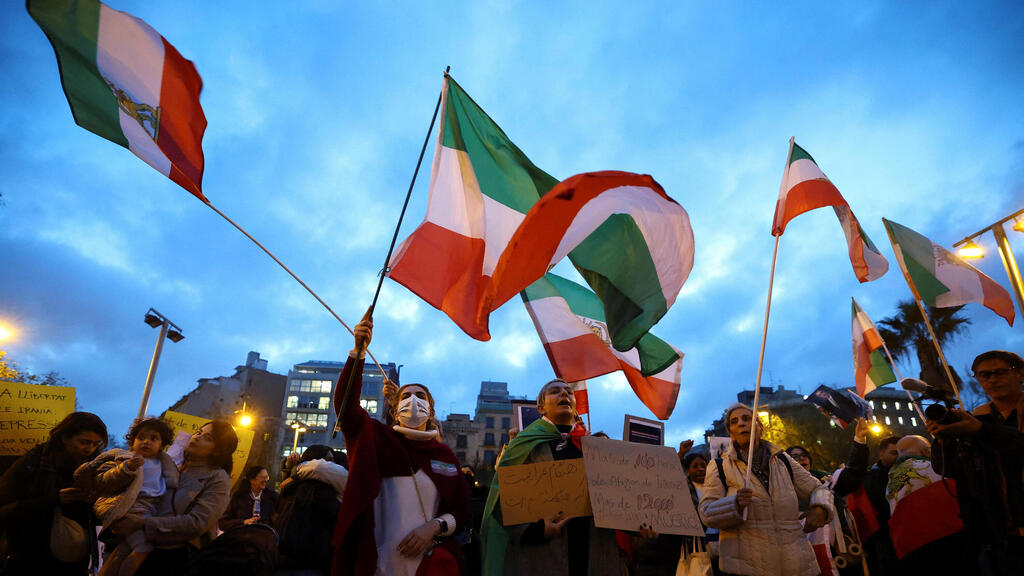
Tehran
(Photo: Albert Gea/ Reuters)
Iranian officials responded angrily to Trump’s messages and again blamed foreign powers for the unrest. Ali Larijani, secretary of Iran’s Supreme National Security Council, said Tehran was “declaring the names of the main killers of the Iranian people: Trump and Netanyahu.” Iranian authorities have accused the United States and Israel of fuelling violence and say the deaths were caused by “terrorist operatives” acting under foreign guidance.
Israeli intelligence assessments suggest the death toll may be far higher than figures acknowledged by Tehran or reported by rights groups. Israeli officials have estimated that more than 4,000 people have been killed in the nationwide protests, according to background from a previous Ynet report, and say the dead include hundreds of regime personnel, some of whom were likely killed by protesters.
Those officials said the unfolding crisis is now being discussed at the highest levels of government. Prime Minister Benjamin Netanyahu’s security cabinet has been briefed on scenarios including the potential collapse of the Iranian regime and direct US intervention, according to an Israeli government official.
A second Israeli official said the current assessment in Jerusalem is that Trump has already decided to intervene, though the scope, timing and form of any American action remain unclear. The official cautioned that the evaluation is based on signals from Washington rather than a formal US announcement.
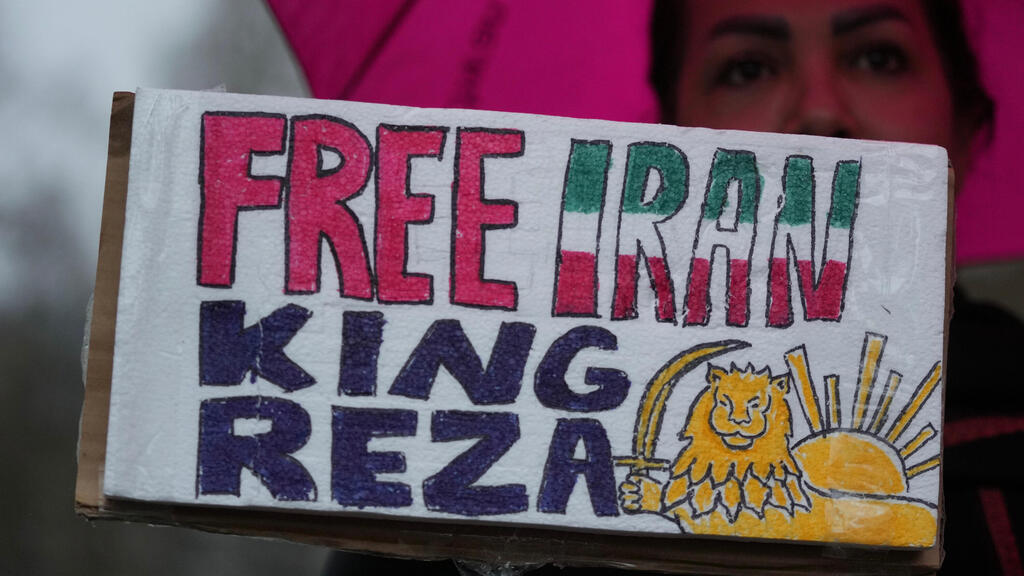
(Photo: Kin Cheung/ AP)
Alongside the killings, arrests have surged. HRANA reported that at least 16,784 protesters have been detained since the demonstrations erupted. Iran Human Rights, an Oslo-based group, said one detainee, Arfan Soltani, 26, from Karaj near Tehran, was arrested last Thursday, quickly tried and sentenced to death. Authorities told his family the execution could take place as early as Wednesday.
Other estimates have put the toll far higher. The opposition channel Iran International reported Tuesday that its own investigation found at least 12,000 people had been killed. CBS News cited a source in Washington with ties to Iran who said a “reliable source” estimated the toll at between 10,000 and 12,000.
Inside Iran, the regime has imposed a near-total communications blackout, now in its fifth consecutive day, in an apparent effort to suppress documentation of the crackdown. A partial easing on Tuesday morning allowed some residents to make phone calls abroad for the first time since the shutdown began.
Those who managed to speak with foreign media described a heavy security presence in Tehran, including riot police and paramilitary forces deployed at major intersections. Residents said authorities ordered shop owners in Tehran’s Grand Bazaar to reopen in an attempt to project an image of normalcy. The bazaar was among focal points of unrest that erupted in late December amid spiraling inflation and the collapse of the rial.
Iranian state television has continued to broadcast images of rallies supporting the regime and funerals for security personnel said to have been killed, including in Isfahan. Officials have sought to frame the protests as a foreign-backed conspiracy rather than a mass domestic uprising.
The Wall Street Journal reported Tuesday that the United States has warned Gulf states to prepare for the possibility of an American strike on Iran. According to the report, Saudi Arabia and other regional countries are working behind the scenes to dissuade the Trump administration from taking military action.
As casualty figures climb and evacuation calls spread, the crisis appears to be entering a more dangerous phase. With thousands dead and tens of thousands detained, the coming days may determine whether the unrest remains an internal crackdown or escalates into a broader regional confrontation.