

Lebanon’s government said Thursday that it has formally begun the process of disarming Palestinian refugee camps in the country, with fighters from the Fatah movement turning over some of their weapons to the Lebanese army at a camp in Beirut.
The handover took place shortly after 6 p.m. at the Burj al-Barajneh camp, south of the capital, according to Ramez Damasqiya, head of Lebanon’s Palestinian-Lebanese Dialogue Committee. He described the move as the first stage of a multi-step process expected to unfold in the coming weeks at Burj al-Barajneh and other camps across the country.
Gallery
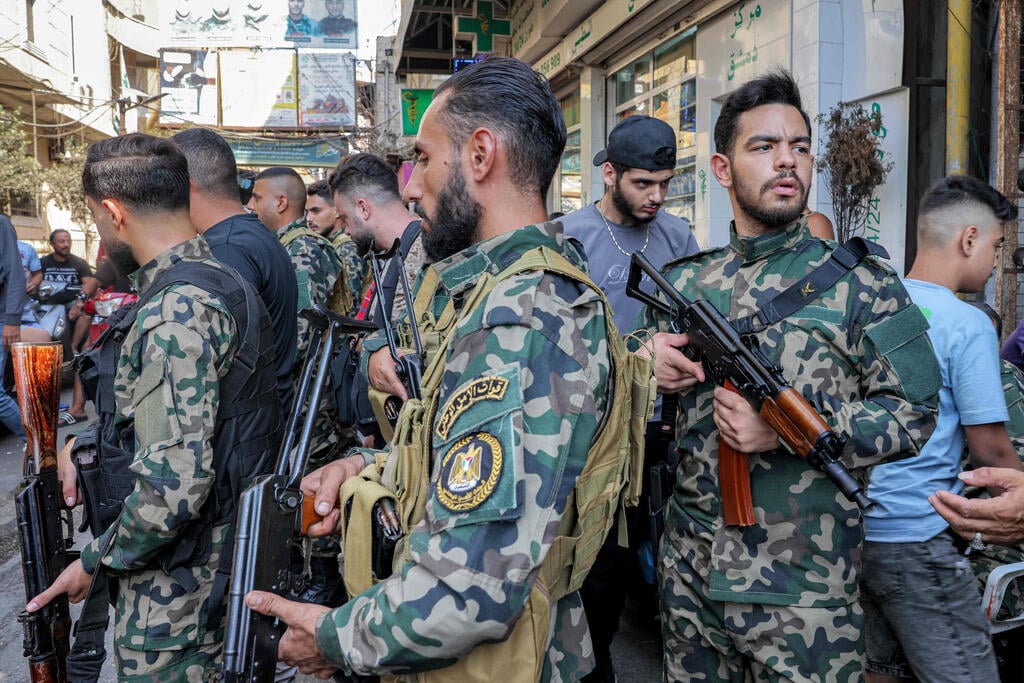
Palestinian gunmen surrendering their weapons in the Burj al-Barajneh camp, Lebanon
(Photo: Anwar AMRO / AFP)
Still, the scope of Thursday’s handover appeared limited. Lebanese television broadcast images of a single small truck leaving the camp, reportedly carrying the weapons. It was not immediately clear what type or quantity of arms had been surrendered. Observers said the gesture was largely symbolic, and that the true test of the initiative will come in the weeks and months ahead.
Complicating matters, several Palestinian factions issued a statement distancing themselves from the agreement, vowing not to give up their weapons. That underscored the challenges facing Lebanon’s fragile effort to curb the influence of armed groups inside the camps, which have long been considered outside the full control of the state.
Minutes after the images aired, U.S. envoy to Lebanon Thomas Barrack — who has been leading the Trump administration’s effort to push for the disarmament of armed groups in the country — hailed the development in "a historic step toward unity and stability."
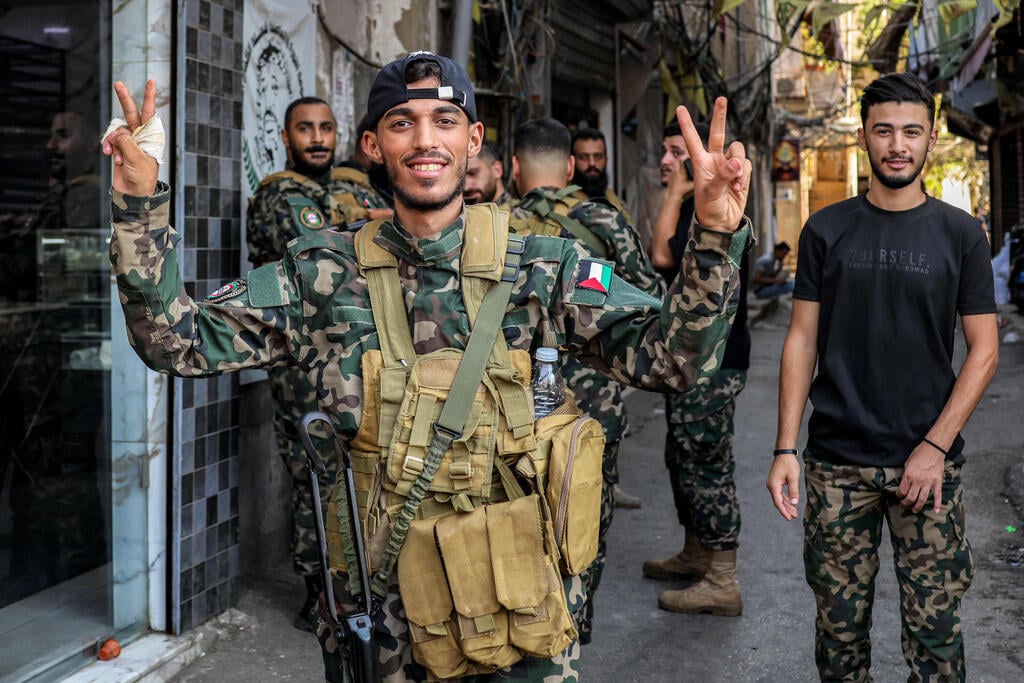
Palestinian gunmen surrendering their weapons in the Burj al-Barajneh camp, Lebanon
(Photo: Anwar AMRO / AFP)
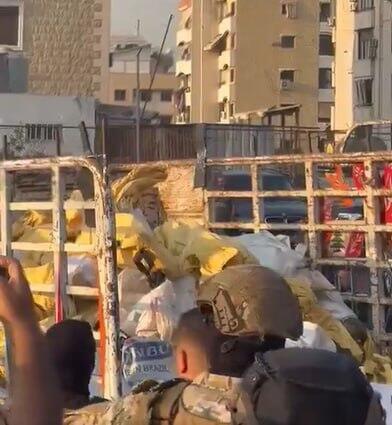
A truck carrying weapons reportedly surrendered by Palestinian gunmen leaves the Burj al-Barajneh refugee camp in Beirut, Lebanon
The disarmament of Palestinian factions has been a recurring, contentious issue in Lebanon, where dozens of camps house hundreds of thousands of refugees and have often served as strongholds for terrorist groups. Whether Thursday’s modest beginning can translate into a sustained dismantling of militias remains an open question.
In a move underscoring how difficult Lebanon’s disarmament campaign is likely to be, several Palestinian factions in the country issued a statement Thursday stressing that the weapons surrendered earlier in the day came only from a small Fatah group — and that the decision did not reflect the stance of other factions.
“Certain media outlets spread reports about intentions to hand over weapons inside the Palestinian camps, especially at Burj al-Barajneh,” the factions said. “We, the Palestinian factions in Lebanon, stress that this report is completely false and has no connection to reality. What took place inside Burj al-Barajneh is an internal organizational matter for Fatah and has nothing to do with the question of Palestinian arms in the camps.
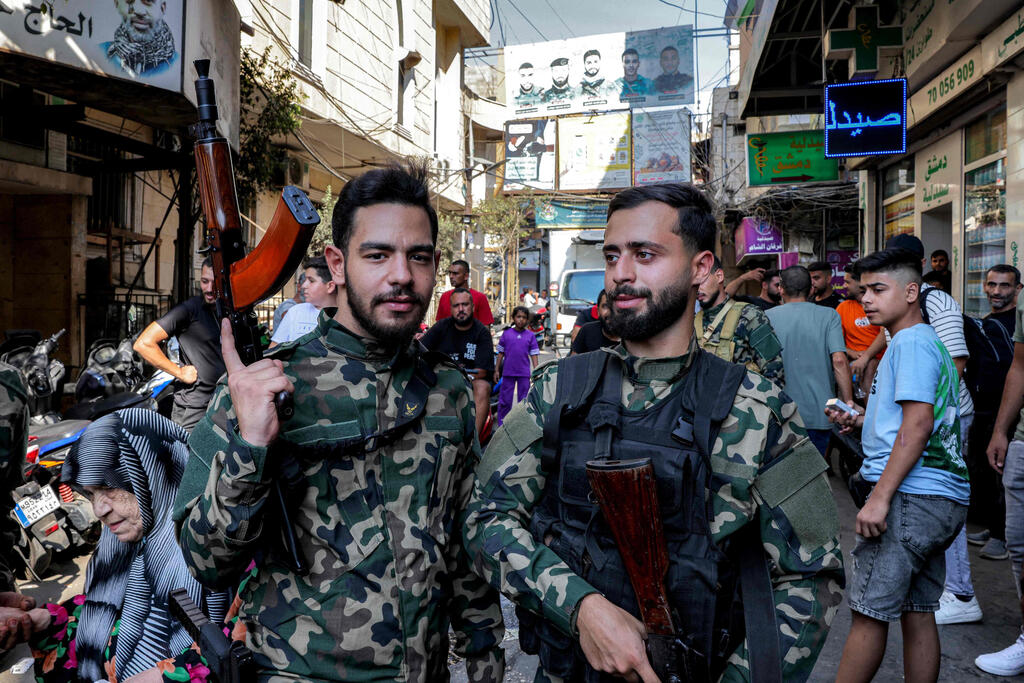
Palestinian gunmen surrendering their weapons in the Burj al-Barajneh camp, Lebanon
(Photo: Anwar AMRO / AFP)
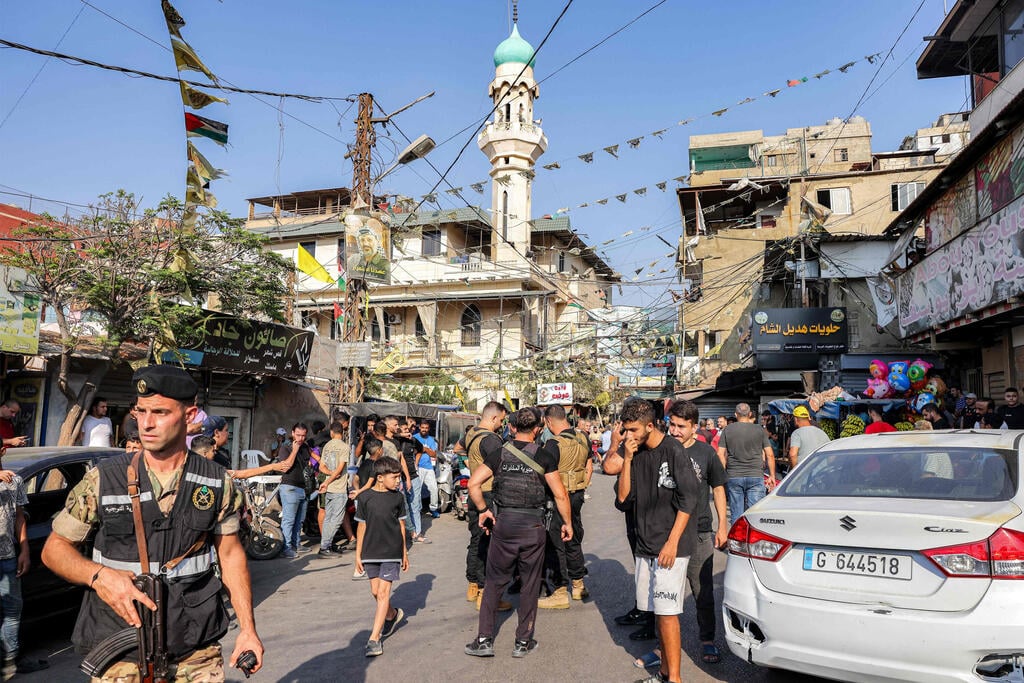
(Photo: Anwar AMRO / AFP)
“Our weapons have always been, and will remain, tied to the right of return and the Palestinian cause. They will continue to serve that purpose as long as the occupation remains on the land of Palestine, and will be used only in confrontation with the Zionist enemy until our people achieve their right of return, freedom and the establishment of their independent state on their land.”
An estimated 280,000 to 520,000 Palestinians live in Lebanon and are considered refugees, though only around 230,000 are registered with UNRWA, the UN agency responsible for their care. Most reside in 12 refugee camps, including Ain al-Hilweh, Mar Elias, Rashidieh and Nahr al-Bared, where they face poor education and health services and what humanitarian groups describe as dire conditions.
A central problem for the Lebanese state is the large quantity of weapons held in these camps by Palestinian organizations, which have long operated with a high degree of autonomy.
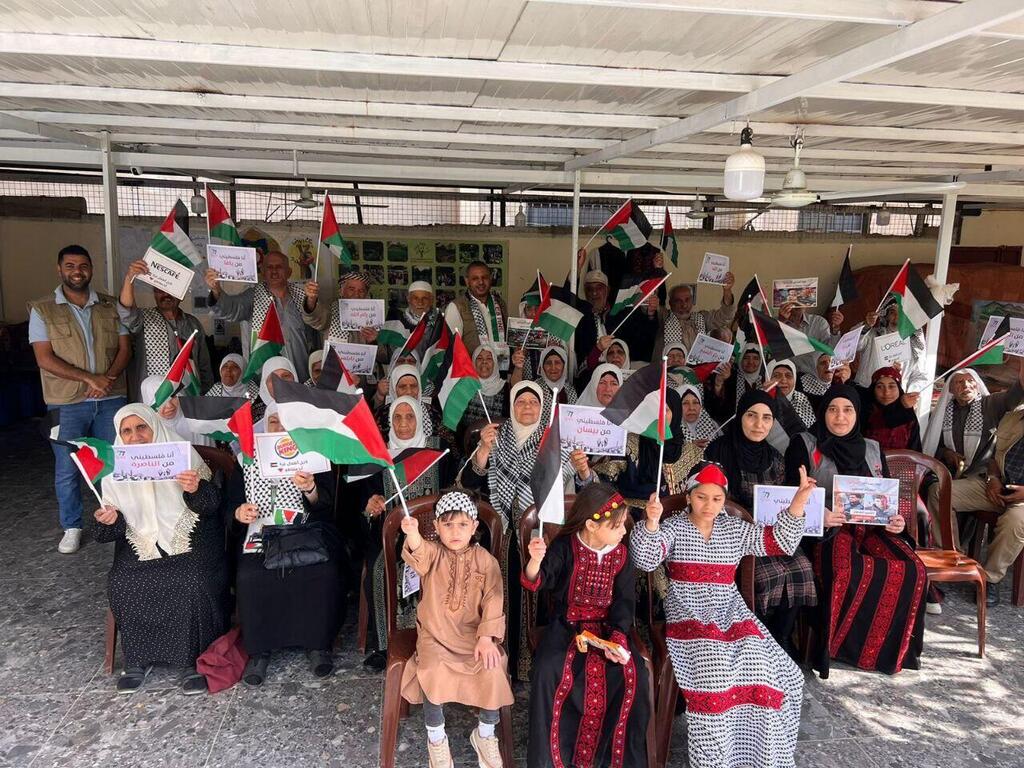
Marking the Nakbah in the Nahr al-Bared refugee camp in northern Lebanon
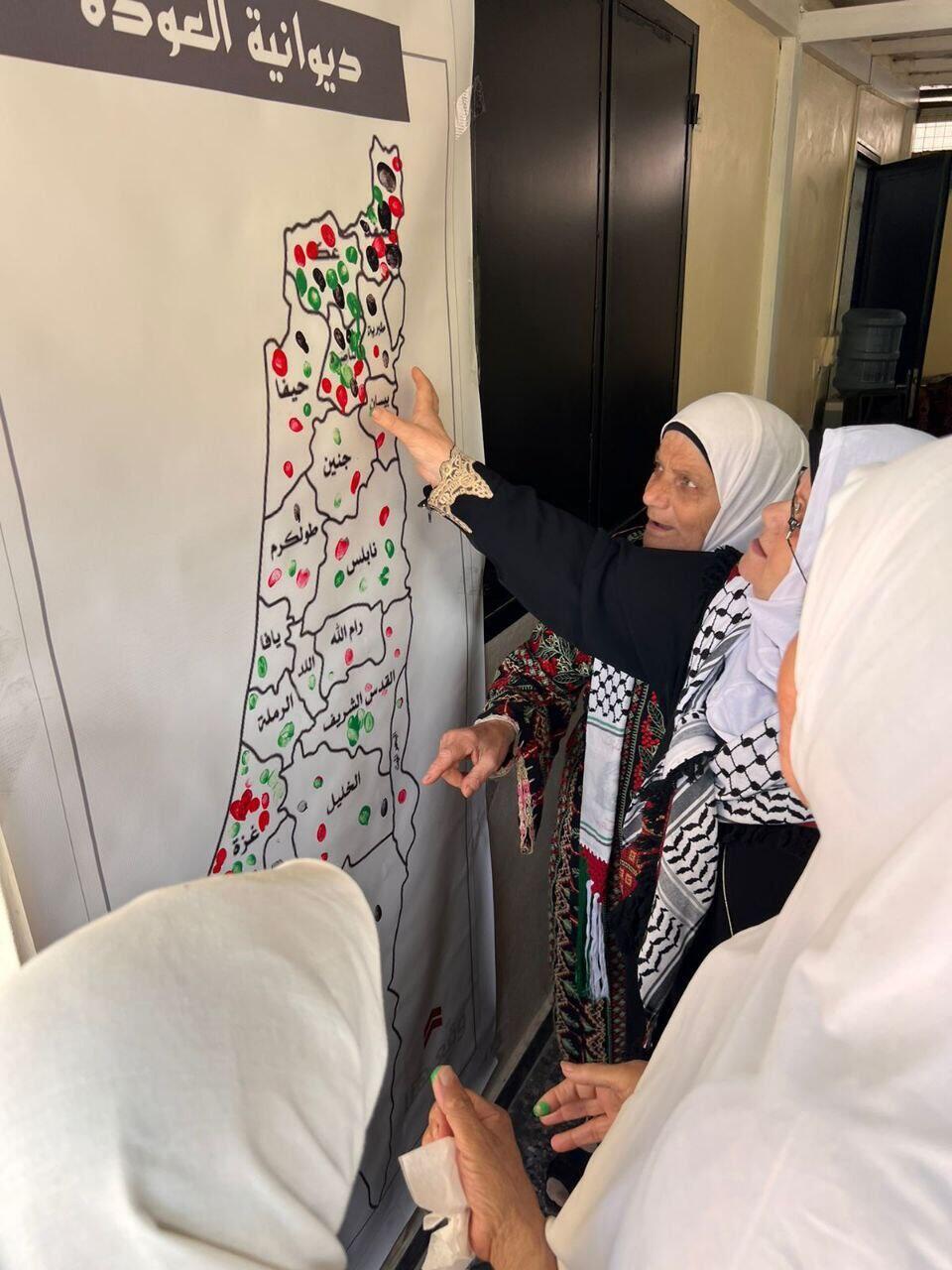
Palestinians in the Nahr al-Bared camp dream of the 'right of return'
Among the best-known factions present are Fatah, Hamas, Palestinian Islamic Jihad (PIJ) and the Popular Front for the Liberation of Palestine (PFLP). Other groups also remain active, including the PFLP–General Command, a splinter militia; the Democratic Front for the Liberation of Palestine; and smaller organizations, some reportedly linked to al-Qaida. Rivalries, shifting alliances and competing interests among these groups add to the volatility.
Lebanon’s new government, led by President Joseph Aoun, has pledged to consolidate all arms under state control and dismantle every militia in the country, including Hezbollah. With Hezbollah warning it could plunge Lebanon into civil war if the army attempts to seize its arsenal, the government is aiming for “small first victories” by disarming Palestinian camps — a less daunting challenge — before confronting the far larger threat posed by the Iran-backed Shiite group.
Since a ceasefire ended the fighting between Israel and Hezbollah — after Hezbollah suffered the heaviest military blow in its history — both Israel and the United States have reportedly pressured Beirut to begin disarming the Palestinian camps, by force if necessary.
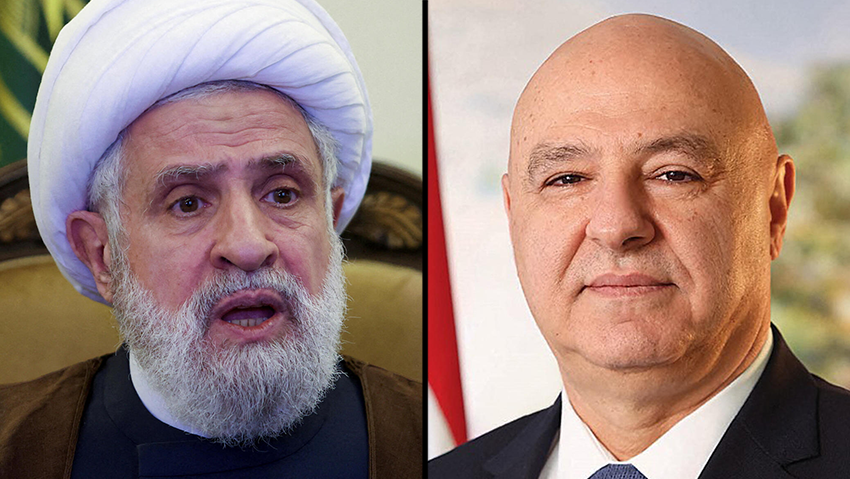
Hezbollah Secretary-General Naim Qassem, Lebanese President Joseph Aoun
(Photo: REUTERS/Aziz Taher/File Photo, AFP PHOTO / HO / LEBANESE PRESIDENCY)
The Lebanese-Palestinian Dialogue Committee announced Thursday that the process had formally begun. Committee head Ramez Damasqiya said the move was a direct outcome of the May 21 summit between President Aoun and Palestinian Authority President Mahmoud Abbas, at which both sides affirmed Lebanon’s sovereignty over its entire territory and declared that all weapons must be placed under state authority.
The handover followed a report in the Hezbollah-aligned Lebanese newspaper Al-Akhbar, which claimed that Abbas’s son, Yasser Abbas, had recently visited Lebanon to discuss the weapons issue. The report also said Saudi Arabia was pushing for the camps south of the Litani River to be disarmed, and that Riyadh had urged Beirut to ban Hamas activity, close its offices and expel the terrorist group’s leaders from the country.
Palestinians in Lebanon have long complained of harsh conditions and systematic discrimination compared with Lebanese citizens. They are barred from many professions, including medicine, pharmacy, nursing, law, engineering and education, except in cases of severe labor shortages. Most are forced into menial jobs for low pay and say they are treated with disdain.