

An Iranian cluster missile struck central Israel on Tuesday, wounding nine people in Bnei Brak, including six children, as Iran’s barrage on Israel continued.
Magen David Adom said a 23-year-old man was moderately injured, while 11 others were lightly wounded including six children. The injured were evacuated to several hospitals. Damage was also reported in Petah Tikva.
The building in Bnei Brak that was hit


The missile, described as a cluster-type munition, dispersed across multiple impact points, heightening concerns over civilian risk in densely populated areas.
Interception of the Iranian cluster missile
The strike came amid ongoing Iranian missile fire toward Israel, though military officials say launch rates have dropped significantly since the opening phase of the conflict. According to IDF Spokesperson Brig. Gen. Effie Defrin, Iran fired fewer than 100 missiles on the first day of fighting, with current averages standing at around 10 launches per day.
At the same time, the IDF said it continues to expand operations across multiple fronts, including Lebanon and Iran. Defrin said Israeli forces are “deepening the maneuver” in Lebanon and operating throughout the country with the goal of weakening Hezbollah and ultimately dismantling its military capabilities.
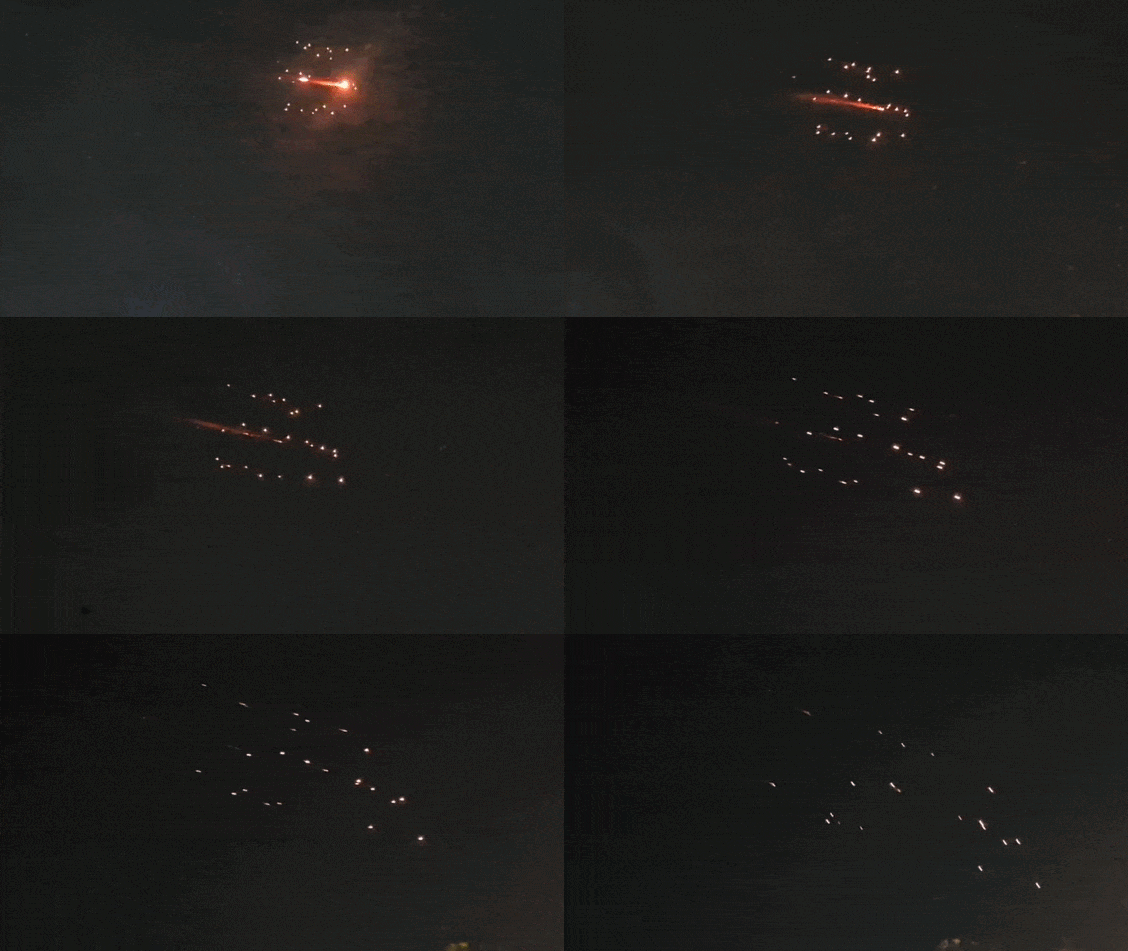
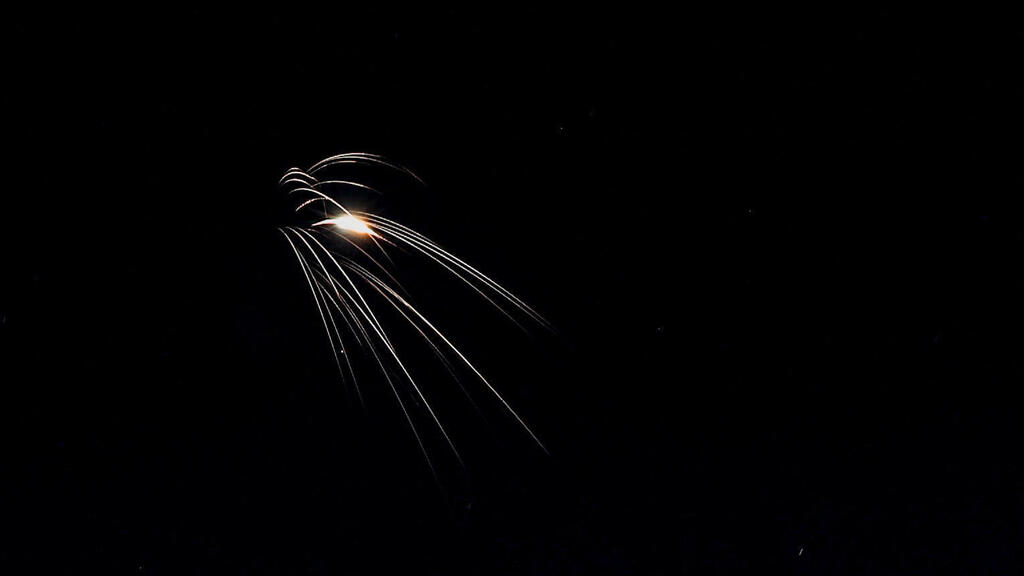
Interception over central Israel
(Photo: Ronen Zvulun/ Reuters)
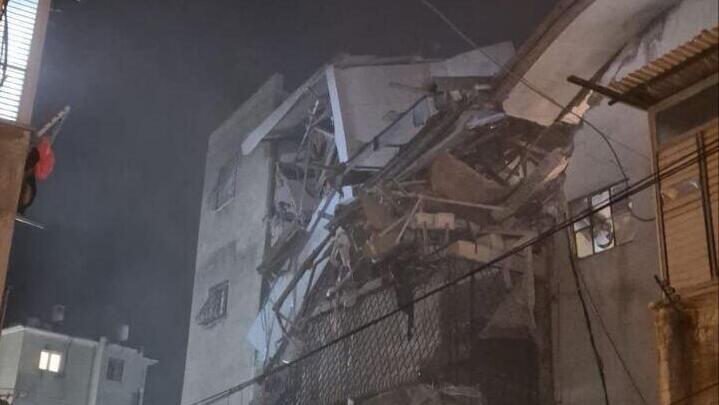
Bnei Brak
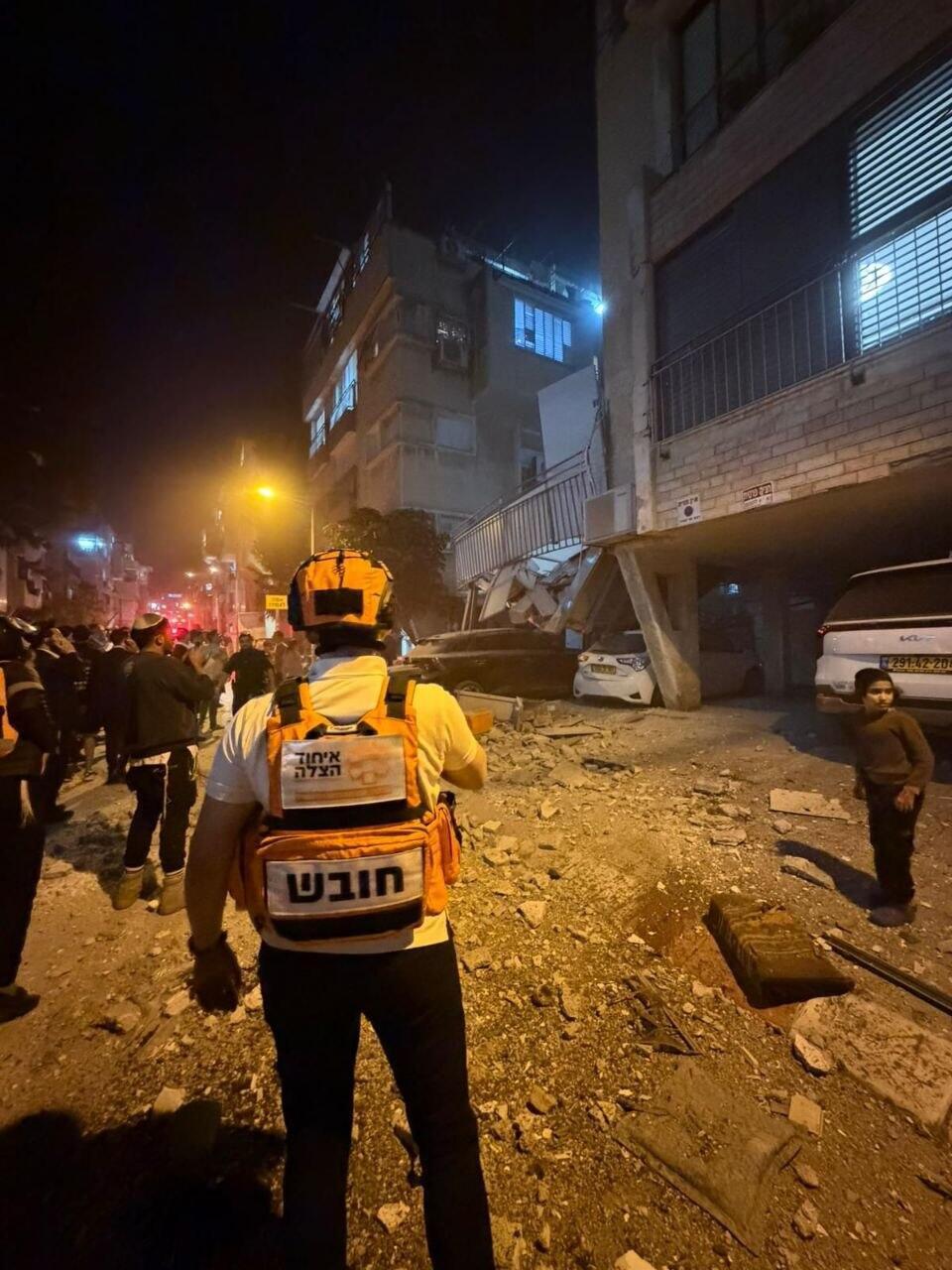
Bnei Brak
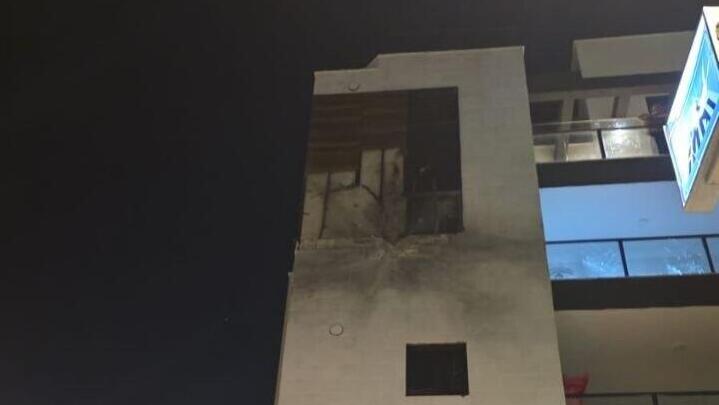
Petah Tikav
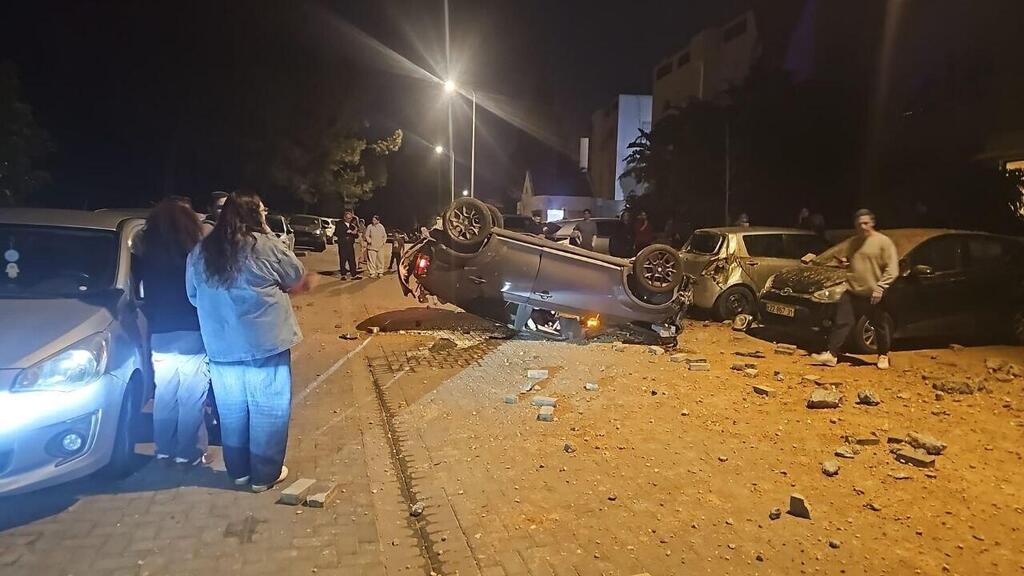
Rosh HaAyin
“We have an opportunity to change the situation from the ground up,” he said, adding that efforts are focused on ensuring Hezbollah is disarmed by the end of the campaign.
Earlier, the IDF said it had eliminated the cell responsible for launching a missile toward the southern city of Arad over the weekend.
In Iran, the Israeli Air Force carried out a wave of strikes targeting military-industrial infrastructure in Isfahan. According to the IDF, one of the primary targets was Iran’s central explosives production facility, used by the regime to develop and manufacture materials for a wide range of weapons systems. The site had previously been targeted and showed signs of renewed activity in recent months.
The military also confirmed that a ballistic missile fired by Iran earlier in the day fell in Beirut, Lebanon, during a broader barrage directed at Israel.
Meanwhile, a senior Israeli military official told The Wall Street Journal that Hezbollah’s rocket arsenal has declined sharply in recent years. The group is now estimated to possess between 11,000 and 13,000 rockets and missiles, roughly one-sixth of the stockpile it held prior to the October 7, 2023 attack.
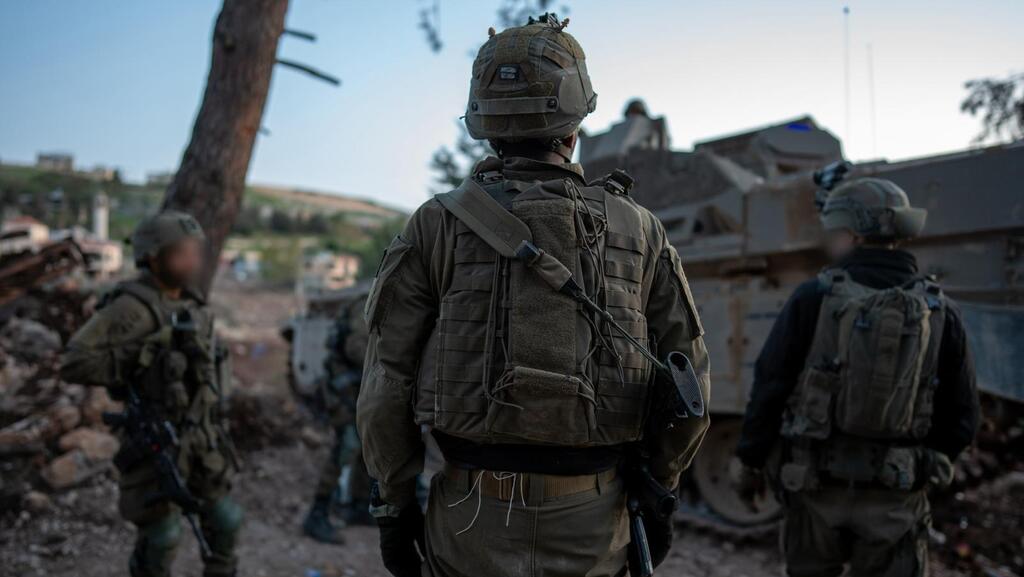
IDF forces in southern Lebanon
(Photo: IDF)
The Israeli government is expected to approve an expansion of reserve mobilization later Tuesday, potentially allowing the IDF to call up to 400,000 reservists through the end of May 2026. The move comes amid continued fighting on multiple fronts following the launch of Operation “Lion’s Roar,” a joint U.S.-Israeli preemptive strike campaign against Iranian strategic targets.
The decision would replace an earlier order approved in January that authorized the mobilization of up to 280,000 reservists.
The current escalation follows a series of attacks across Israel’s northern front as well. Earlier, Hezbollah fired around 30 rockets from Lebanon, killing one woman and wounding others.
Shortly afterward, Iran launched a missile toward northern Israel that struck the city of Safed, injuring six people.
Israeli officials say developments on all fronts remain closely linked, with Iran continuing to direct and coordinate attacks across the region as part of the broader conflict.