

Two senior Druze officials said Tuesday that Israel has been arming and financing Druze militias in Sweida, a stronghold of the minority community in southwest Syria. According to the officials, Israel has provided rifles, ammunition and salaries to thousands of fighters, part of an effort to unify fragmented Druze factions.
The move, reported by Reuters and confirmed by a Western intelligence source, comes as tensions rise in the province, where Syrian forces have been accused of executing civilians. Druze leaders are demanding greater autonomy and a humanitarian corridor linking Sweida to the Israeli-controlled Golan Heights — a direct challenge to Syrian President Ahmed al-Sharaa’s pledge to reassert control over all Syrian territory.
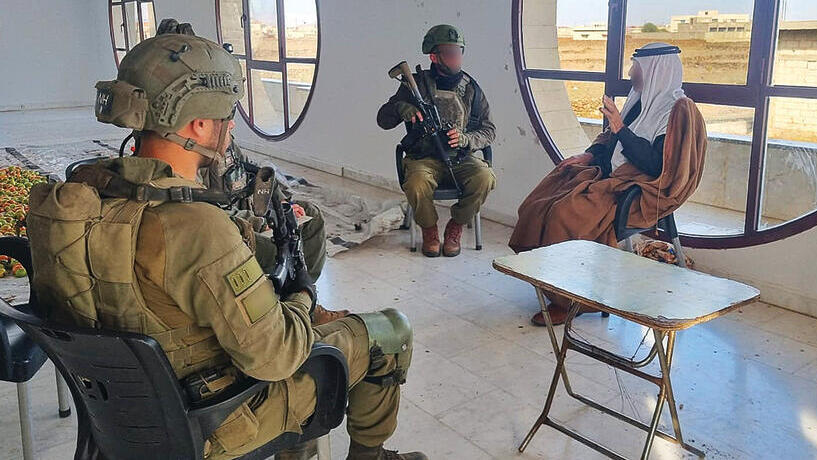
IDF forces in Syria
(Video: IDF)


Last month, several Druze factions announced the creation of the “National Guard,” a new military body endorsed by senior spiritual leader Sheikh Hikmat al-Hijri. The group is described as representing the Druze community in Sweida.
Talks under US pressure
Indirect talks between Israel and Syria began in April in Abu Dhabi after al-Sharaa’s visit to the UAE, then continued in Baku in July. But the discussions quickly faltered when Syrian troops entered Sweida to quell clashes between Druze and Bedouin fighters. Israel said the move violated long-standing security arrangements and retaliated with strikes on Syria’s Defense Ministry in Damascus. Al-Sharaa accused Israel of seeking pretexts to intervene in the south.
A US-brokered ceasefire eventually halted the fighting, and the negotiations resumed in Paris, where Syria for the first time publicly acknowledged direct talks with Israel.
The Paris meetings were tense. Israel signaled it would not relinquish military gains it had made since the collapse of the 1974 disengagement agreement — abandoned after Bashar Assad’s fall in December, when Israeli forces advanced to within 20 kilometers of Damascus.
“The Americans are pushing hard — this is personal for Trump,” an Israeli security official said, but noted Israel was not offering much. Washington sees the talks as a way to expand the Abraham Accords.
The Golan Heights has not been discussed, six sources familiar with the talks told Reuters. Israel, they said, is unwilling to negotiate a withdrawal, even in the long term, after President Donald Trump recognized the plateau as Israeli territory in a unilateral move.
According to the sources, Israel floated a proposal through Washington — a southern withdrawal in exchange for Syria’s formal renunciation of the Golan — but Damascus rejected it. “Any concession on the Golan means the end of al-Sharaa’s rule,” a Syrian source said.
Damascus pushes back
Syrian Foreign Minister Assad al-Shibani rejected Druze demands for a humanitarian corridor, calling it a "violation of sovereignty." He said Syrian Interior Ministry forces would deploy checkpoints in Sweida to maintain stability.
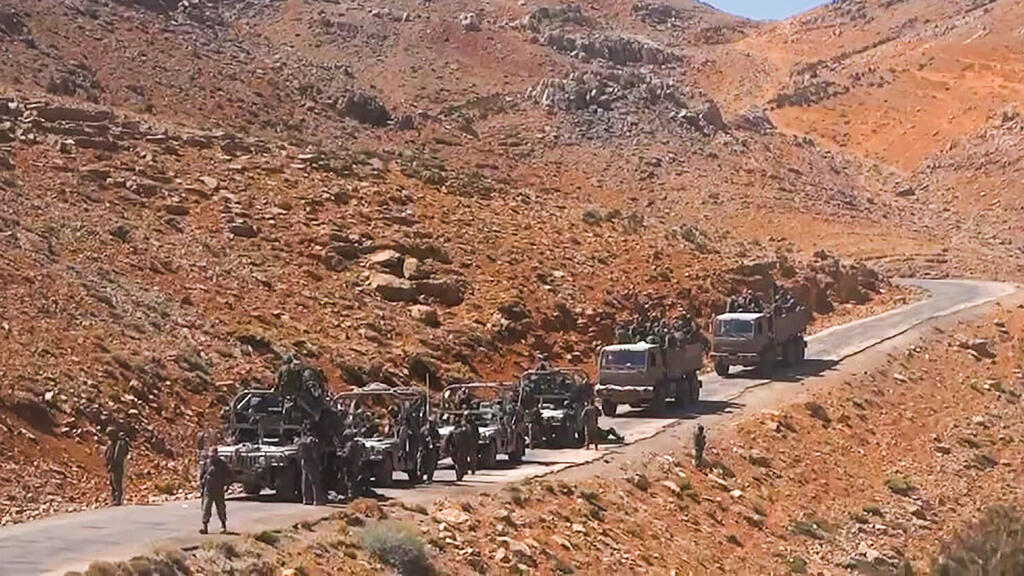
IDF forcses at the Syrian side of the Golan Heights
At a press conference in Damascus alongside Jordan’s Foreign Minister Ayman al-Safadi and U.S.envoy Thomas Barrack, al-Shibani declared: “Sweida belongs to all its residents. We are working to restore normal life there, away from conflict.”
Al-Safadi added: “Stability in southern Syria is vital for the whole region. We reject any foreign interference, especially by Israel, and we condemn Israeli strikes against Syria.”
Barrack said Washington supports Damascus’ reconciliation efforts: “These are historic steps addressing past mistakes. Building trust in Syria may take years.”
A Syrian officer stationed near the Israeli border told Reuters that patrols avoid direct contact with Israeli troops, who routinely raid villages, collect population data, and search for weapons. Syrian analyst Wael Alwan said Israel is now enforcing a de facto buffer zone in southern Syria, similar to its posture in northern Gaza and southern Lebanon.
Israel has also established a new military outpost on Mount Hermon. Defense Minister Israel Katz has vowed it will not be relinquished.
Western officials say al-Sharaa’s options are shrinking. Israeli military activity and support for Druze militias are fueling popular resistance to concessions, but Israel’s territorial gains also make a de-escalation deal increasingly urgent.
“Avoiding confrontation is central to his plan to rebuild and govern,” a close aide to al-Sharaa said.
The United States is pressing for rapid progress ahead of the UN General Assembly later this month, seeking a breakthrough announcement by President Donald Trump.
American officials said Trump made clear during a May meeting in Riyadh that he expects Syria to advance toward peace and normalization with Israel and its neighbors. Diplomats believe al-Sharaa may speed up talks to secure economic aid and attract investment, but warn he faces a delicate balancing act between U.S. demands and domestic legitimacy.