


Prime Minister Benjamin Netanyahu summoned National Security Minister Itamar Ben-Gvir and Finance Minister Bezalel Smotrich after Shabbat for meetings regarding the dramatic developments toward a potential hostage deal with Hamas, including the halt of Israeli military operations in Gaza at the request of U.S. President Donald Trump. Over the weekend, Netanyahu updated both ministers by phone, and they also spoke with each other.
The meetings are set to take place tonight, after which Netanyahu is expected to make a public statement. Ahead of his remarks, Smotrich criticized Netanyahu, calling the decision to halt operations in Gaza a “grave mistake” that risks Hamas stalling negotiations and weakening Israel’s position on both the release of hostages and the war’s primary goal of destroying Hamas and fully demilitarizing Gaza.
Gallery

Benjamin Netanyahu, Itamar Ben-Gvir and Bezalel Smotrich
(Photo: Shalev Shalom, Alex Kolomoisky)
Ben-Gvir warned that his Otzma Yehudit party “will not be part of the government if Hamas remains in existence after the hostages are released.” He described Hamas’s continued survival as a “red line” and said he could not accept a scenario in which the terror group that inflicted Israel’s greatest recent disaster is allowed to endure.
According to reports, Netanyahu and Ben-Gvir spoke late Saturday night, around 1:00 a.m., with the prime minister asking whether the minister would oppose releasing hostages. Ben-Gvir responded that he supports bringing all hostages home but will not accept Hamas’s continued existence. A second conversation at 2:00 a.m. included Ben-Gvir suggesting a nighttime meeting, which Netanyahu postponed until the next day. Later, Ben-Gvir and Smotrich coordinated their positions, amid concerns Netanyahu was summoning them separately as part of a “divide-and-rule” tactic.
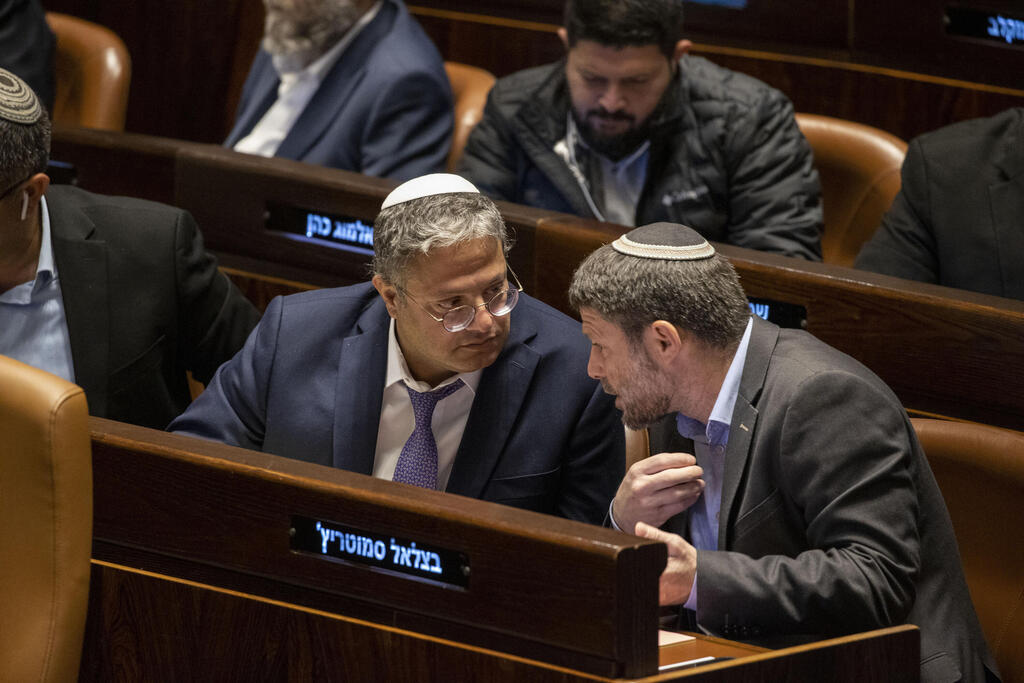
Ben Gvir and Smotrich
(Photo: Amit Shabi)
Both ministers have historically opposed cease-fires during the war, while Netanyahu has sought to avoid coalition collapse. They have expressed frustration with the U.S.-backed peace plan adopted by Netanyahu. Ben-Gvir called the plan “dangerous for Israel’s security,” while Smotrich suggested that enemy intransigence might again “save us from ourselves.” Hamas, meanwhile, indicated readiness to release all hostages but did not accept key elements of Trump’s 20-point plan, including disarmament, and demanded further negotiations.
President Trump publicly endorsed Hamas’s response and praised Israel’s halt in hostilities, warning the group to act quickly or risk “all cards on the table,” stressing that he would not tolerate delays or any scenario in which Gaza becomes a renewed threat. Following Trump’s statement, Israel halted offensive operations and moved to defensive posture in Gaza on Netanyahu’s orders.
The developments prompted political reactions within Israel. Opposition leader Yair Lapid reaffirmed his political support for the deal, warning Smotrich and Ben-Gvir against obstructing it, stating that a broad majority in the Knesset and among the public backs the Trump framework. Former military chief Gadi Eisenkot called for decisive leadership to recover the hostages, even at difficult costs. Former Defense Minister Benny Gantz urged careful implementation to ensure small political interests do not undermine the U.S.-backed plan.
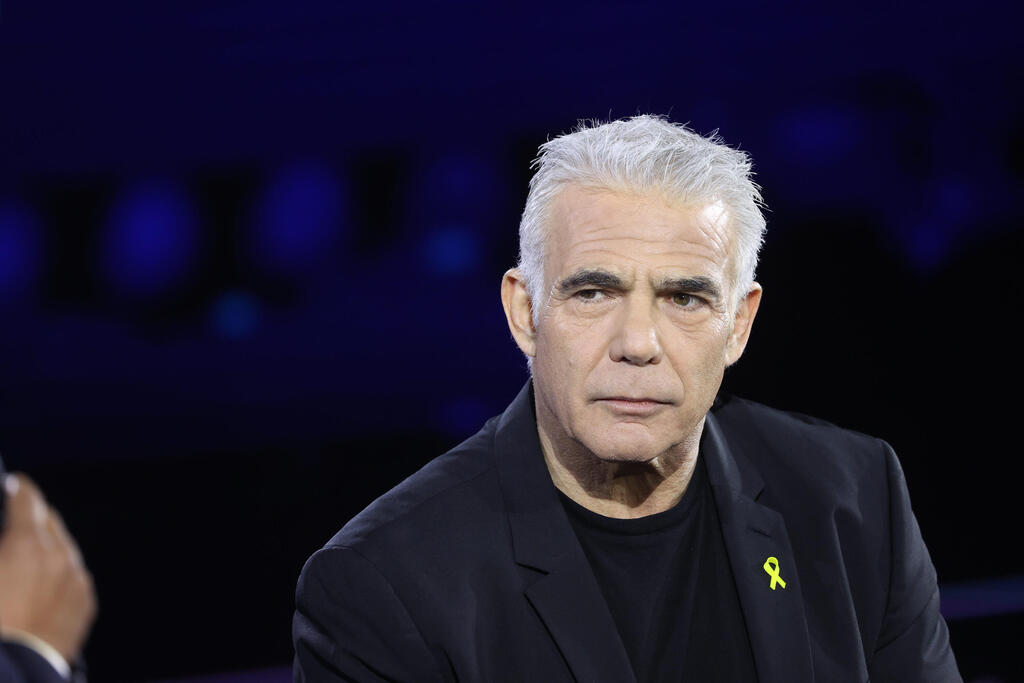
Yair Lapid
(Photo: Gil Nehushtan)
Security Cabinet member Avi Dichter accused Hamas of deception, insisting that all living hostages be returned within 72 hours to proceed with the agreement and called for continued military pressure in the meantime. Likud lawmaker Amit Halevi criticized the pause in operations, warning that it leaves Israeli soldiers exposed to sniper and explosive attacks and that the traditional principle of negotiating “under heavy fire” was undermined under pressure from President Trump, potentially jeopardizing upcoming talks and outcomes.
Ben-Gvir and Smotrich’s warnings highlight the fragile balance within Netanyahu’s coalition as Israel navigates high-stakes hostage negotiations and domestic political tensions surrounding any potential deal with Hamas.
First published: 21:51, 10.04.25