

Christa Pike remains in critical condition and is receiving life-saving treatment after surviving Tennessee’s attempt to execute her by lethal injection, as her lawyers revealed new details of a procedure they described as “cruel” and “torture.”
“Christa is alive. We do not have a clear picture of her prognosis or a meaningful update on her condition,” attorney Randy Spivey said. He said execution staff inserted at least seven needles while trying to establish intravenous access, and that one was bent when removed from her arm. Pike is now suffering from blistering and a burning sensation around the injection sites. Her lawyers are urging Tennessee Gov. Bill Lee to commute her death sentence and prevent the state from attempting to execute her again. Lee has ordered an independent review and halted further executions in Tennessee for the rest of the year.
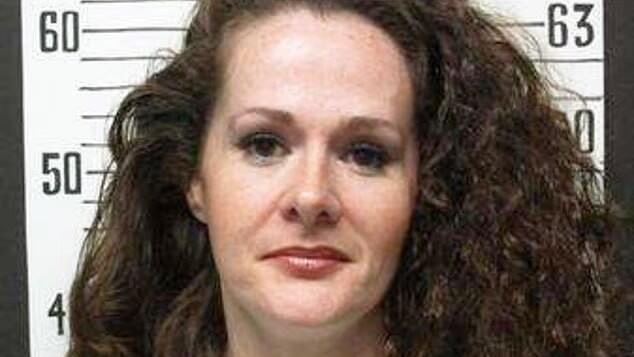
Spivey said Pike, 50, actively tried to help the execution team find a usable vein. “She wasn’t just cooperative,” he said, recalling that she repeatedly told staff: “Please try higher, near my shoulder. Try here, I think it will be OK.” Even after receiving the first dose of pentobarbital, intended to kill her, Pike remained conscious, sang and spoke to people in the witness room. Her attorneys said they had warned before the execution that a blood disorder and problems accessing her veins could make lethal injection prolonged and painful.
The execution began Wednesday evening at Riverbend Maximum Security Institution in Nashville. Pike, sentenced to death for the 1995 murder of 19-year-old Colleen Slemmer, was strapped to a gurney and said in her final statement that she was at peace and “ready to be free.” But after the drugs began flowing, she remained awake and at one point asked whether her arm was “supposed to feel like this.” A witness said she complained that a vein felt as though it was “going to explode.”
Prison officials administered the initial dose of pentobarbital and then the backup dose required under Tennessee’s protocol when the first fails to cause death. Neither killed her. Nearly half an hour after the second dose, Pike could still be heard snoring behind the closed curtain. The microphone was eventually switched off, witnesses were removed and Pike was taken by ambulance to a hospital. Her lawyers filed emergency court motions while the procedure was still underway, arguing that she was suffering “unnecessary agony.”
Spivey also described confusion over whether Pike was receiving emergency medical treatment after the execution failed. For about 40 minutes after the first dose, he said, communication with her was difficult and he did not know whether medical professionals had begun treating her. He said he received his first confirmation that an ambulance was coming only at about 8:50 p.m.
Same doctor, second failed execution
The case has drawn additional scrutiny because Dr. Mark Fowler, who oversaw Pike’s execution procedure, had also been involved in Tennessee’s failed attempt to execute Tony Carruthers in May. In that case, staff established one intravenous line but were unable to place the backup line required by protocol despite trying for more than an hour. The execution was called off before lethal drugs were administered, and Carruthers was granted a one-year reprieve.
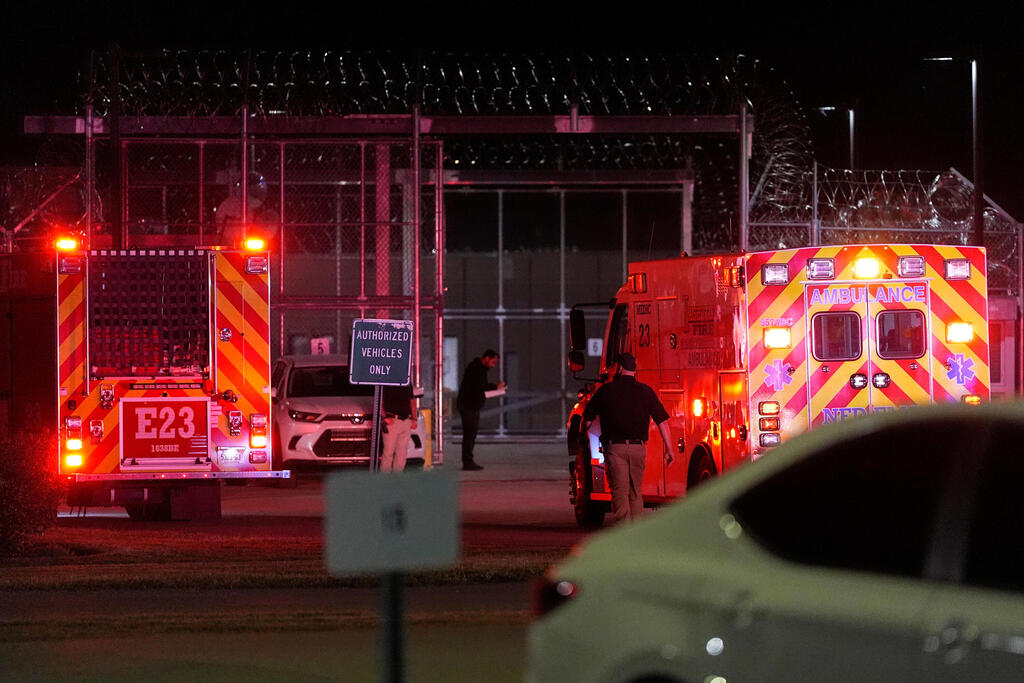
Ambulance called to Nashville prison after Christa Pike’s failed execution attempt
(Photo: AP Photo/George Walker IV)
Carruthers’ sister later filed a complaint alleging he suffered severe pain during the attempts and subsequently had a stroke that left him partially paralyzed. The claimed connection between the procedure and his stroke has not been officially established. Fowler has previously said his role in executions does not involve carrying them out, except for pronouncing death.
Tennessee’s Department of Correction has maintained that staff followed the state’s approved execution protocol. But that protocol provides for a second dose if the first fails to kill the prisoner and does not set out an additional step if the backup dose also fails. In Pike’s case, officials effectively reached the end of the protocol while she was still alive.
Death Penalty Information Center executive director Robin Maher said other prisoners have survived execution attempts after officials failed to establish intravenous access, but Pike’s case was different because she actually received the drugs intended to kill her and survived long enough to be hospitalized. The case has been described as unprecedented in the modern era of U.S. lethal injection.
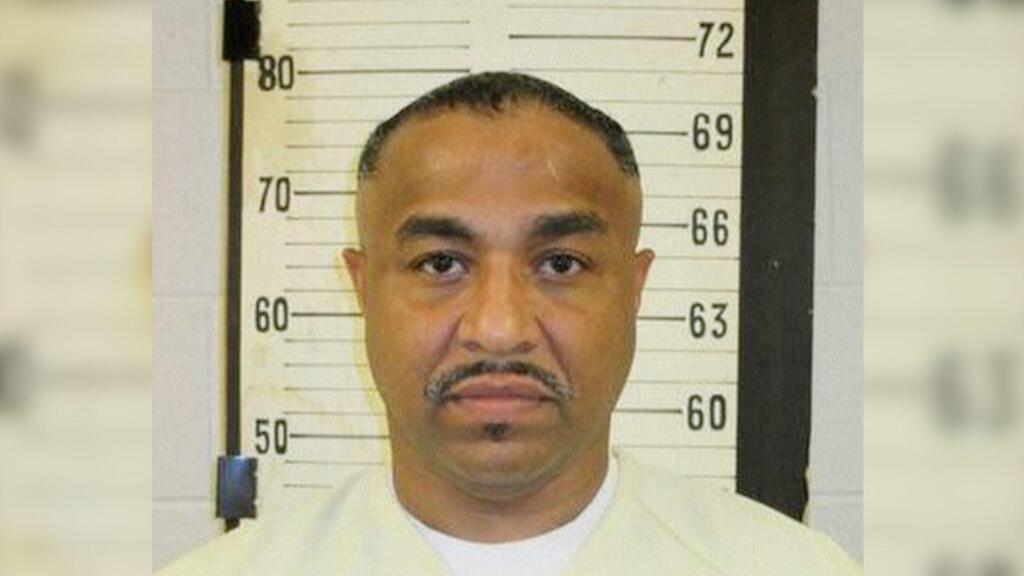
Tony Carruthers. His execution also failed, with the same doctor overseeing both attempts
(Photo: Tennessee Department of Correction)
Pike was 18 when she and her then-boyfriend, Tadaryl Shipp, were convicted in the killing of Slemmer in Knoxville. Pike has never denied her role in the murder, but her lawyers have argued that insufficient weight was given at sentencing to her age, mental health and severe childhood abuse. She was later diagnosed with bipolar disorder and post-traumatic stress disorder.
Pike had been scheduled to become the first woman executed in Tennessee in more than 200 years. A federal appeals court initially halted the execution shortly before it was due to begin, but the U.S. Supreme Court later allowed the state to proceed.
There is now no new execution date. Pike’s lawyers say the state has already attempted to carry out her sentence and left her critically ill, and they are demanding that her punishment be commuted. Attorney Stephen Ferrell said they hope she recovers sufficiently to participate in decisions about what happens next: “We want to think through things, make sure Christa recovers, and make sure she has a part in what she wants to do.”