

The U.S. State Department has approved the potential sale of 48 F-35 stealth fighter jets to Saudi Arabia in a package valued at an estimated $24.3 billion, clearing a major step in a deal that has drawn scrutiny in Israel and warnings from U.S. intelligence over possible Chinese access to sensitive technology.
The proposed sale includes 48 Lockheed Martin F-35 Lightning II Joint Strike Fighters, 49 Pratt & Whitney engines, communications equipment, spare parts and additional logistical and support equipment. The transaction remains a proposed Foreign Military Sale rather than a completed purchase.
Gallery
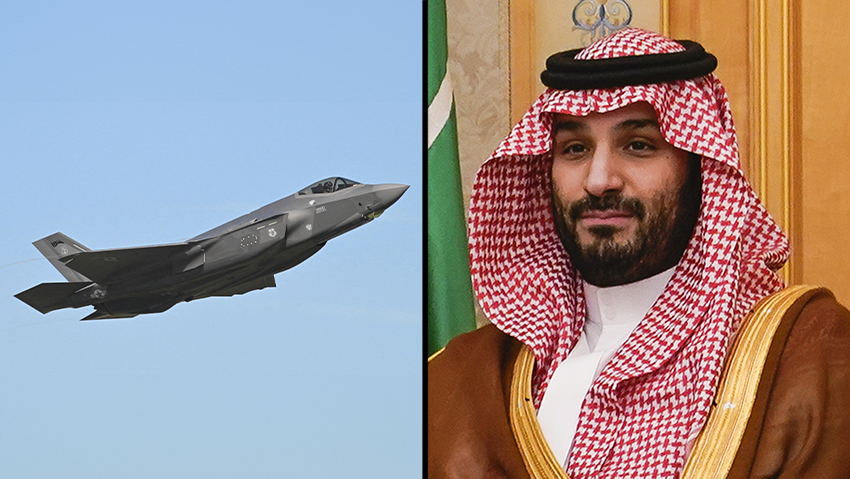
US approves potential $24.3 billion sale of 48 F-35 stealth fighters to Saudi Arabia
(Photo: Nathan Howard, AP, REUTERS/Jana Rodenbusch/ Reuters)
“The proposed sale of this equipment and support will not alter the military balance in the region,” the State Department said in its notice.
Washington said the aircraft would strengthen Saudi Arabia’s ability to deter threats, bolster homeland defense and improve interoperability with U.S. and other allied forces. The aircraft would also significantly expand the Royal Saudi Air Force’s air-to-air and air-to-ground capabilities.
The move advances a plan first publicly backed by President Donald Trump during Saudi Crown Prince Mohammed bin Salman’s visit to Washington in November 2025. The White House said at the time that Trump had approved a major defense package that included future F-35 deliveries as part of a broader expansion of U.S.-Saudi security ties.
Israeli concerns over qualitative military edge
The prospective sale has been closely watched in Israel, which is currently the only Middle Eastern country operating the F-35. U.S. law requires Washington to preserve Israel’s qualitative military edge in the region.
Israeli officials had previously urged the Trump administration to condition an F-35 sale to Riyadh on Saudi Arabia normalizing relations with Israel, according to Axios. Israeli defense officials have also warned that introducing the advanced aircraft into another regional air force could affect Israel’s long-standing air superiority, although Israeli officials have said they expect the United States to ensure that Israel retains access to superior capabilities.
Trump’s administration nevertheless moved forward with the Saudi package even without an Israeli-Saudi normalization agreement.
US intelligence warns over China
The approval comes one day after The New York Times reported that U.S. intelligence agencies have raised concerns that China could gain access to sensitive F-35 technology through espionage in Saudi Arabia or through Beijing’s expanding military and security relationship with the kingdom.
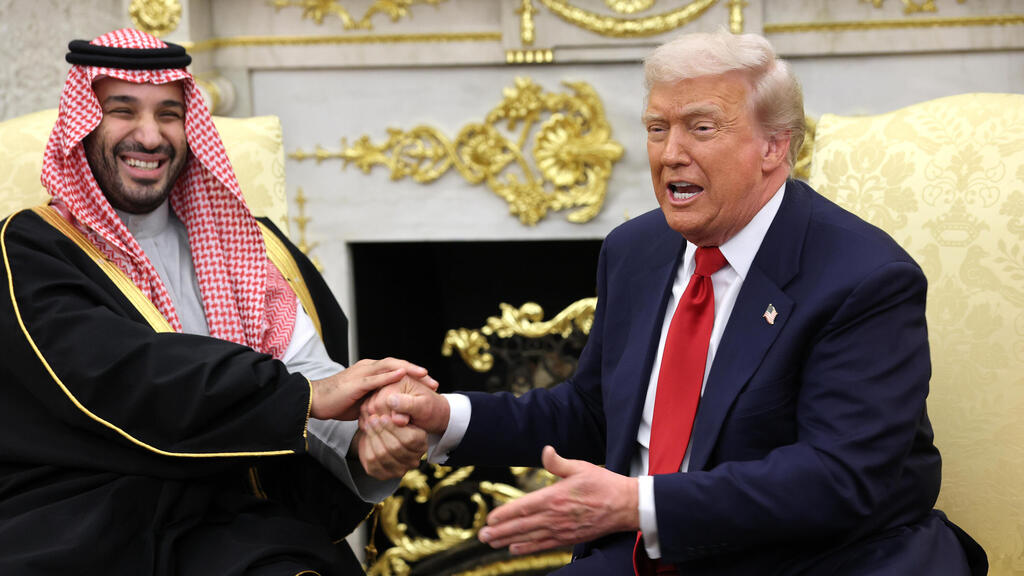
Saudi Crown Prince Mohammed bin Salman and US President Donald Trump
(Photo: Win McNamee/Getty Images)
A Defense Intelligence Agency report circulated among U.S. government agencies and congressional offices examined Chinese military access to Saudi bases, the kingdom’s use of Chinese telecommunications technology and whether facilities housing sensitive F-35 systems could be adequately secured, according to the report.
U.S. officials were said to be particularly concerned about protecting the fighter’s advanced radar and surveillance technology. The intelligence assessment also raised questions about whether Riyadh would restrict Chinese military and intelligence access to facilities connected to the aircraft and whether Chinese telecommunications equipment could be removed from sensitive sites.
Saudi Arabia has long been one of the largest customers for U.S. weapons and military equipment, but it has also developed significant defense ties with Beijing, including purchases of Chinese ballistic missiles. U.S. officials have said China has also assisted Saudi efforts to develop domestic ballistic missile capabilities.
Deal advances as Saudi Arabia faces new regional threats
The F-35 decision comes as Saudi Arabia faces a sharp deterioration in its security environment, particularly from renewed fighting with Yemen’s Iran-backed Houthis.
Houthi forces have made significant territorial gains along Yemen’s Red Sea coast, including around the strategic Bab al-Mandeb Strait, threatening shipping lanes and Saudi oil export routes. Saudi Arabia’s East-West oil pipeline, which had provided Riyadh with an alternative route while traffic through the Strait of Hormuz remained disrupted, was also shut after an attack attributed to Iran-aligned forces operating from Iraq.
Saudi Arabia has sought outside assistance as the fighting intensified, while the United States has so far stopped short of joining a new direct campaign against the Houthis. U.S. diplomats have instead met Houthi representatives in Oman in an effort to preserve existing understandings over maritime shipping and prevent another front from expanding.
The F-35 package would mark a major long-term upgrade for the Saudi air force, but production and delivery of the aircraft would take years. Before any jets reach the kingdom, the proposed sale still faces further U.S. government and congressional procedures, as well as continuing scrutiny over how Washington intends to protect sensitive technology and preserve Israel’s military edge.