

Iran is using its ceasefire with the United States to recover weapons and rebuild its ability to launch attacks if fighting resumes, according to an NBC News report citing a U.S. official and two other people familiar with the matter.
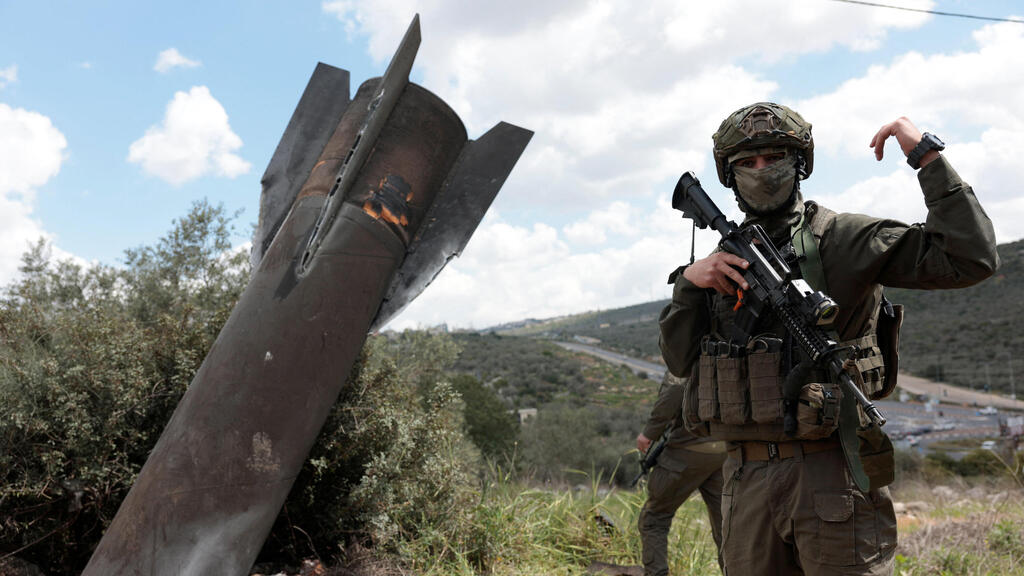
The Iranian regime has accelerated efforts to excavate missiles and other munitions it had hidden underground or that were buried under rubble during U.S. and Israeli airstrikes, the sources said. Washington believes Tehran is trying to quickly reconstitute its drone and missile capabilities so it can launch attacks across the Middle East if President Donald Trump orders renewed military operations.
Trump is expected to meet on Thursday with his national security team to review options, including possible new military action, aimed at reopening the Strait of Hormuz and stripping Iran of any nuclear material, according to another U.S. official.
Adm. Brad Cooper, commander of U.S. Central Command, was scheduled to brief Trump and senior national security officials on the available options and the status of a U.S. blockade, the official said. Trump is expected to choose a course of action in the coming days, according to the first U.S. official.
A White House official said Trump’s planned mid-May trip to China is one of the factors shaping the decision. The visit to Beijing, where he is expected to meet Chinese President Xi Jinping, has already been postponed once because of the war with Iran and remains a White House priority, the official said.
Iran began blocking the Strait of Hormuz after the U.S. and Israel launched their bombing campaign on February 28, sending global oil prices higher. Trump responded with a naval blockade of Iranian ports in the strait. As of Wednesday, U.S. Central Command officials said 41 vessels had been redirected from transiting the waterway.
A temporary ceasefire took effect on April 8 to give Washington and Tehran space to negotiate an end to the war and reopen the strait, but the talks have yet to produce results.
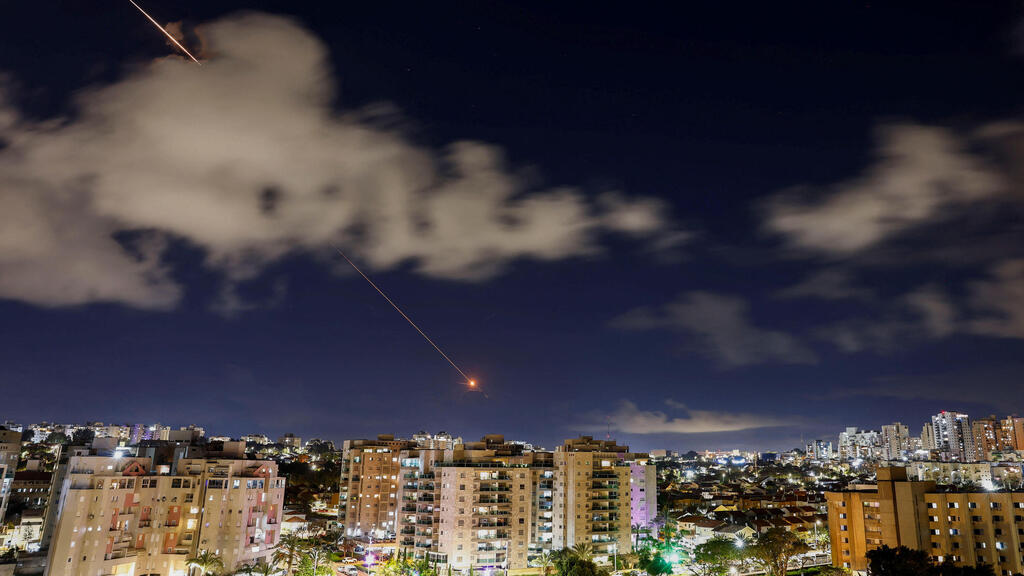
Iranian missile intercepted
(Photo: Amir Cohen/ Reuters)
Defense Secretary Pete Hegseth said earlier this month that the U.S. had indications Iran was trying to rebuild its military capabilities.
“We know what military assets you are moving and where you are moving them to,” he said at the Pentagon on April 16.
“While you are digging out — which is exactly what you’re doing, digging out of bombed-out and devastated facilities — we are only getting stronger,” Hegseth said. “You are digging out your remaining launchers and missiles with no ability to replace them.”
Asked for comment, a Defense Department spokesperson pointed to Hegseth’s remarks.
White House spokesperson Anna Kelly said in a statement that the U.S. military had achieved all of Trump’s objectives in the war with Iran, adding: “Iran’s ballistic missiles are destroyed, their production facilities are demolished, their navy is sunk, and their proxies are weakened.”
“Following this successful military campaign, President Trump has every option at his disposal. However, his preference is always diplomacy, as he instructed American negotiators to work towards a deal that ensures Iran can never possess a nuclear weapon,” Kelly said.
White House press secretary Karoline Leavitt previously suggested the war could be wrapped up before Trump’s rescheduled trip to China in May. Speaking to reporters on March 25, she said: “We’ve always estimated approximately four to six weeks, so you could do the math on that.”
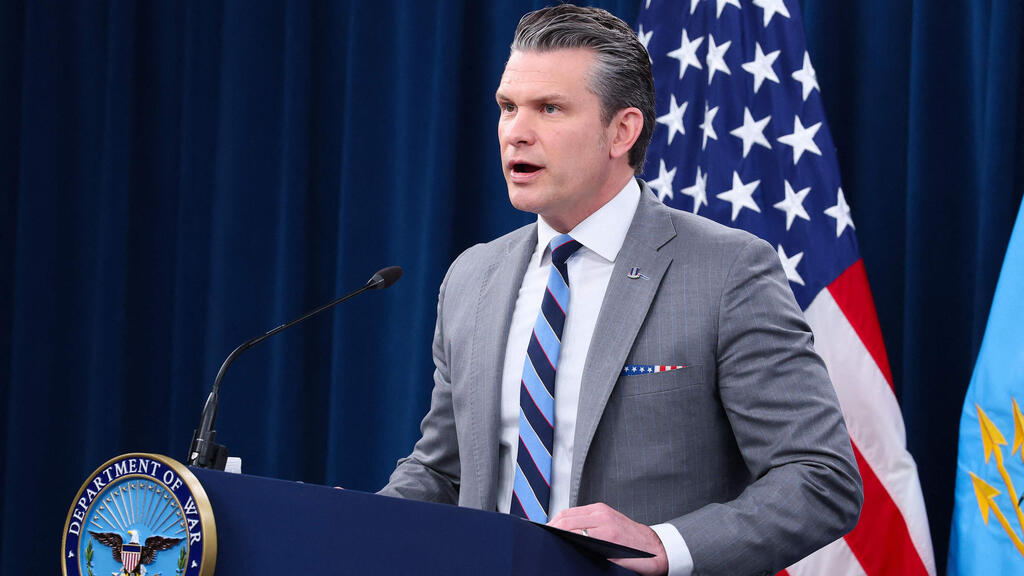
Defense Secretary Pete Hegseth
(Photo: Anna Moneymaker/Getty Images/AFP)
It remains unclear how the ceasefire and the administration’s current deliberations could affect that timeline.
Iran has maintained that it still has the ability to wage war against the United States and defend its interests.
While the White House and Pentagon have repeatedly said Iran’s military has been largely defeated, U.S. intelligence indicates Tehran still retains many of the capabilities it had before the war began. Those include many ballistic missiles, more than half of Iran’s air force aircraft and more than half of the Islamic Revolutionary Guard Corps’ naval components.
The U.S. official and the two people familiar with the matter said Iran has stepped up efforts in recent days to retrieve missiles and other munitions as the risk of renewed fighting grows and negotiations appear to have stalled.
Experts and congressional aides said Iran was likely able to preserve part of its missile arsenal by deploying decoys and dispersing weapons around the country. Before the war, as the U.S. expanded its military presence in the region, Iran buried or otherwise concealed some of its missiles and launchers, according to the U.S. official and one person familiar with the matter.
For weeks, the U.S. and Israel bombed Iranian ballistic missile and launcher sites, along with other targets. Those strikes significantly reduced Iran’s arsenal, but Trump administration officials have acknowledged that Tehran retains some missile and drone capabilities.
Trump said Wednesday that Iran still has part of its missile arsenal.
“They have missiles, about 82% are gone, and they have drones, and most of them are gone,” Trump said in the Oval Office.
Secretary of State Marco Rubio, who is also serving as interim national security adviser, said Monday that Iran still has half its missile arsenal.
“Inflation is worse, they still have the drought going on, they still have trouble making payroll, their economy’s flattened, they face crippling economic sanctions around the world,” Rubio said in an interview on Fox News. “All those problems are there and many of them are worse, and now, they have half the missiles, none of the factories, and no navy and no air force. All that’s been destroyed, so they’re worse off and weaker.”