

ABC News reported Friday that a U.S. Marine Corps expeditionary unit comprising about 2,200 Marines aboard three Navy amphibious ships has been ordered to move toward the Middle East. The unit deployed is the 31st Marine Expeditionary Unit, which is permanently based in Japan and normally operates in the Indo-Pacific Command area. It is now being sent toward the region amid the ongoing war with Iran.
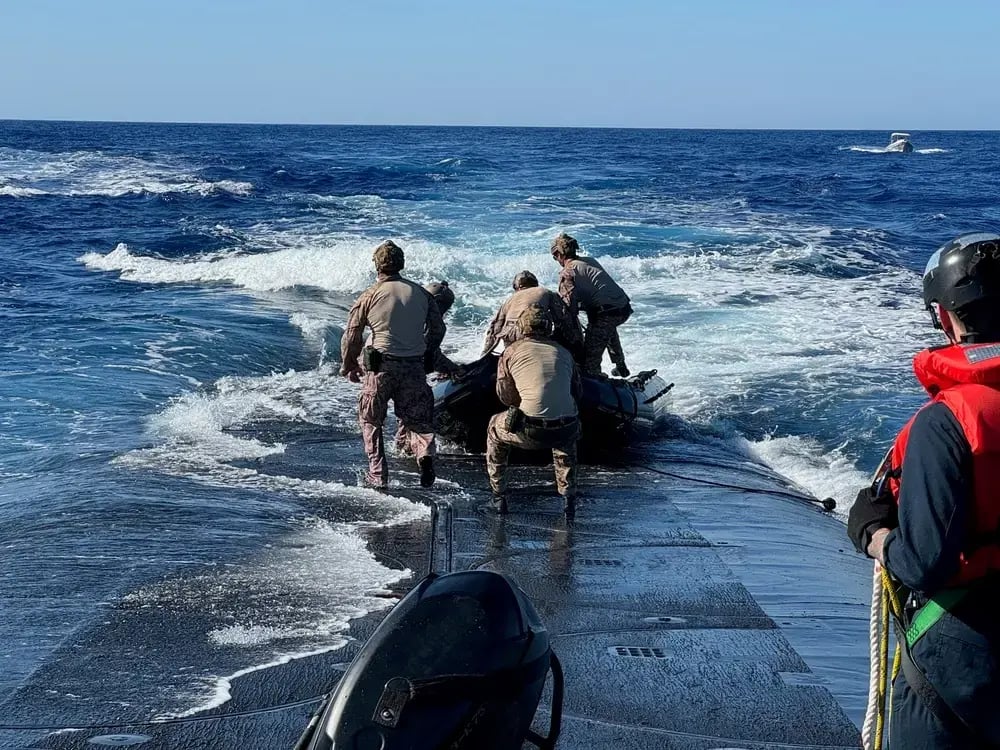
ABC reported that the deployment does not necessarily mean the Marine unit will be used as a ground force inside Iran. However, it will provide military commanders with additional land, amphibious and air assets that could be used if needed. The specific Marine unit heading toward the Middle East also includes a squadron of F-35 fighter jets and a squadron of MV-22 Osprey tiltrotor aircraft.
The report about the large Marine deployment comes as the world waits to see how U.S. President Donald Trump will address two problems that could require the dramatic use of additional forces. The first is the growing threat to oil tankers in the Strait of Hormuz, the world’s busiest maritime route for oil trade. Iran has begun attacking cargo ships there and has warned that it will set fire to any vessel passing through the area.
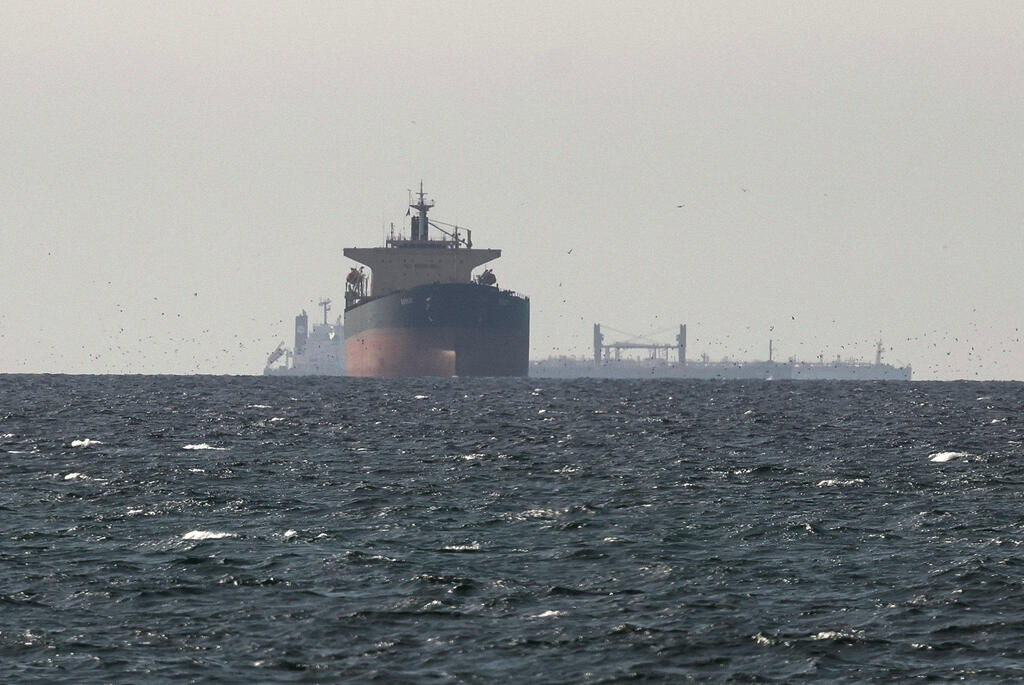
Ships near Oman, not far from the Strait of Hormuz
(Photo: Reuters/Stringer)
Trump said several times this week, including again Friday, that the United States could provide military escorts for ships in the Strait of Hormuz to protect them from Iranian missile and drone attacks. However, the U.S. Treasury secretary and other officials in Washington acknowledged that such escorts could take many days to organize because most U.S. military resources in the region are currently allocated to offensive operations in Iran. The second issue is Iran’s stockpile of uranium enriched to 60 percent, estimated at about 440 kilograms. Enriching it to 90 percent, the level required for nuclear weapons, could be done in a relatively short period of time. As far as is known, a large portion of the stockpile is buried beneath the rubble of the nuclear facility that the United States and Israel bombed in Isfahan in June, while another portion is believed to be stored elsewhere. The concern is that if the war ends without the stockpile being removed from Iran, Tehran could later move rapidly toward developing a nuclear bomb.
In recent days Trump has repeatedly signaled that he does not rule out sending ground forces to retrieve the uranium stockpile. Reports said the United States has also discussed the possibility with Israel. Such an operation, however, would be extremely complex and would involve significant risks.
First published: 22:44, 03.13.26