


The IDF is canceling discharge leave for some combat troops in response to persistent manpower shortages, sparking complaints from soldiers who say they are being treated unfairly compared to other units.
Soldiers from the Nahal Brigade, currently deployed in the West Bank, said they were denied leave to which they are entitled under military regulations, while other regular army brigades have resumed granting it. The affected troops had expected to receive their discharge leave, a short break at the end of mandatory service that allows soldiers to rest and transition to civilian life. While technically still enlisted during this period, soldiers on discharge leave can be called back to duty at any time by the military.
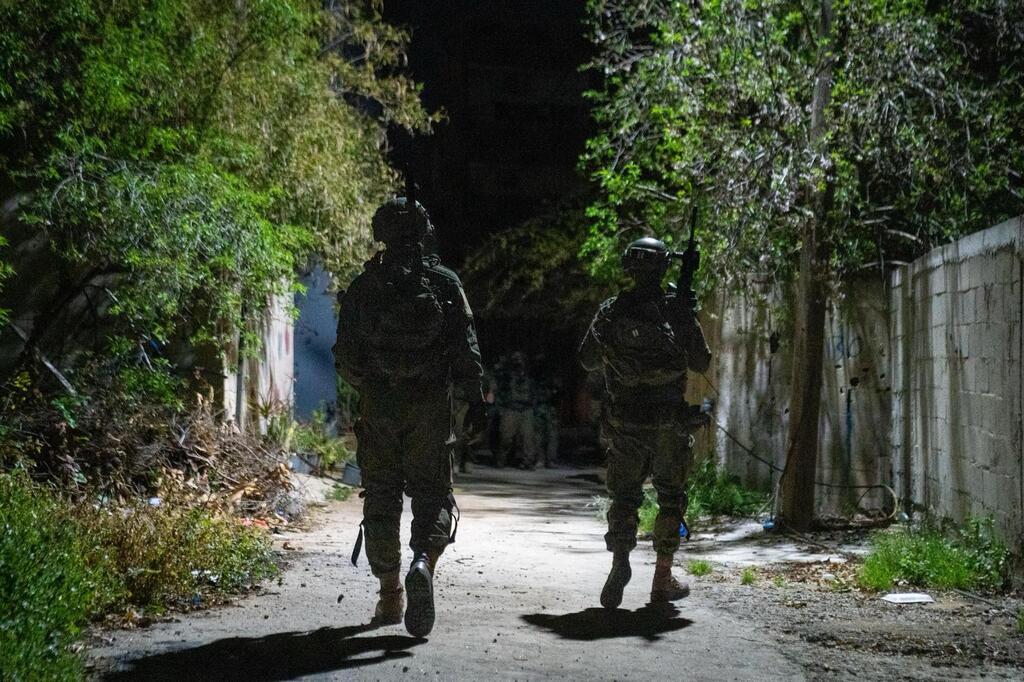
“This solution shouldn’t come at the expense of those who’ve already risked their lives for over a year,” said a soldier from Nahal’s 931st Battalion. “Other brigades are sending their soldiers home for a week or two, as they should. Why are we different?”
Since major ground combat in Gaza ended last August and gave way to smaller-scale raids, the IDF has reduced its use of "Code 77" — a wartime directive allowing commanders to postpone discharge leave and extend mandatory service by four months in a reservist framework. Senior officers began easing restrictions on discharge to allow soldiers nearing the end of their service some reprieve. But in the Nahal Brigade, that policy has not been applied.
“At the start of the war, it was understood that regular troops wouldn’t be discharged. They continued with their units as reservists, and the use of Code 77 was minimal,” said a commander in a regular infantry brigade. “But in the last six months, the situation changed. The fighting scaled down, and discharge leave was gradually restored because it gives soldiers some oxygen at the end of a long and intense service.”
Nahal soldiers say their brigade spent more time in combat in Gaza than any other infantry unit, and many of them are now exhausted—both mentally and physically—from over a year of extended, high-intensity service. They argue that the continued denial of their discharge leave violates IDF policy and places an undue burden on a group of soldiers who have already given more than most.
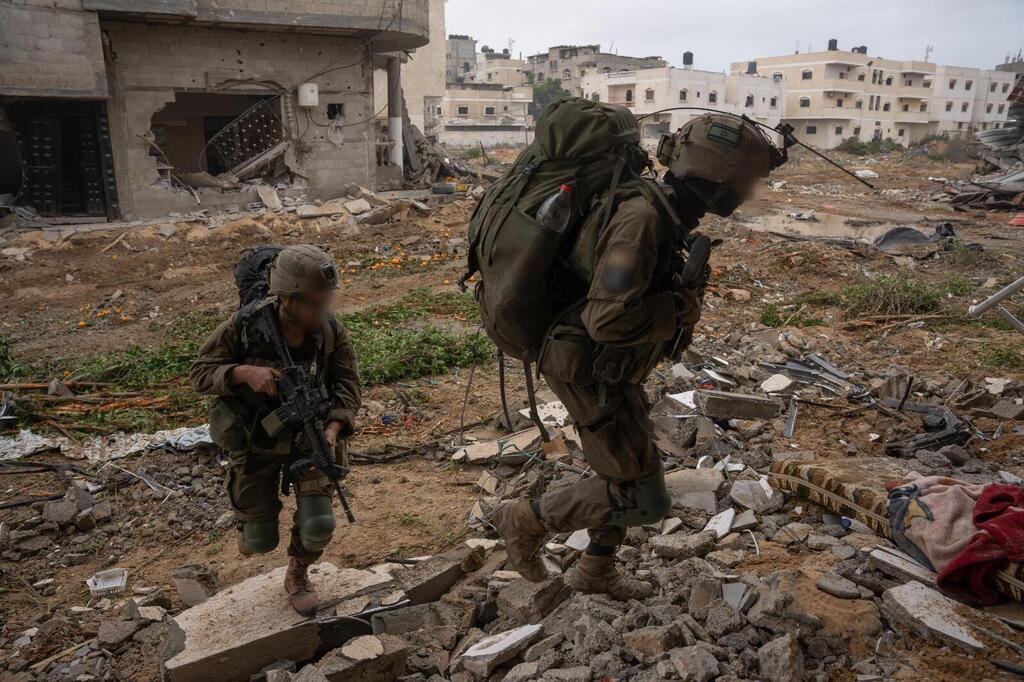
Nahal Brigade soldiers in Rafah
(Photo: IDF Spokesperson's Unit)
The IDF initially denied that other units had stopped using Code 77. But after Ynet inquiries, officials confirmed that traditional discharge leave has been reinstated in several regular units in recent weeks. The army emphasized that it still retains the authority to call up discharged soldiers immediately for reserve duty, even after they go home.
An IDF spokesperson said that the leave policy had been handled differently in the Paratroopers Brigade, which decided to continue with the old guidelines for one cohort due to pre-approved vacations. Starting with the next intake of soldiers, the brigade will align with the updated military order issued in February 2025.
Get the Ynetnews app on your smartphone: Google Play: https://bit.ly/4eJ37pE | Apple App Store: https://bit.ly/3ZL7iNv
While the IDF says the cancellation of discharge leave is offset by four months of reserve duty followed by a post-service organizational leave, some soldiers argue that the extra time comes at minimum wage and doesn’t make up for the loss of rest and personal freedom. “People are burned out,” said one Nahal soldier. “It’s not about the money. They just need a break.”
The cancellation comes as the IDF continues limited operations in Rafah and other parts of Gaza, searching for weapons, rocket launchers, tunnels and other infrastructure. These raids have expanded over the past week but have not led to major clashes or signaled the start of a broader ground offensive, which remains under planning and has yet to be approved by senior government and military officials.