

Senior figures in Yashar! party leader Gadi Eisenkot's political bloc are pushing to ensure that he receives the first opportunity to form the next government, warning that failure to unite behind his candidacy could allow controversial judicial reform legislation passed under Prime Minister Benjamin Netanyahu to take effect on Jan. 1, 2027.
The effort comes after last week's inconclusive parliamentary election, which left neither Netanyahu's right-wing bloc nor his opponents with a straightforward path to a governing coalition.
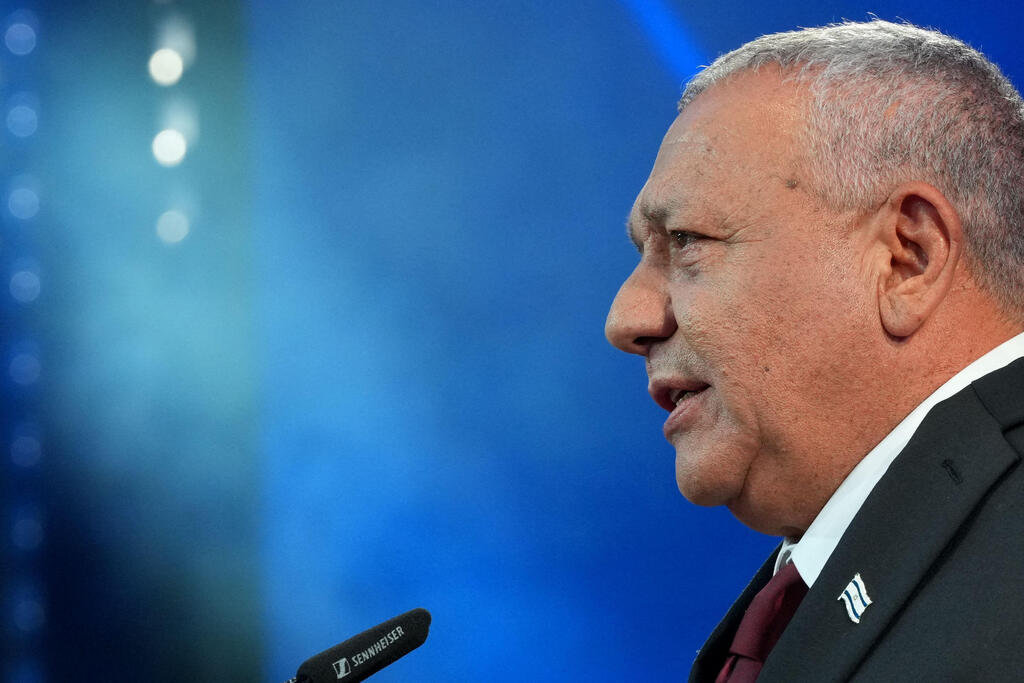
Eisenkot, a former IDF chief of staff whose centrist party has won the second-most seats in the election after Netanyahu's ruling Likud party, is seeking the backing of parties opposed to the premier ahead of consultations with President Isaac Herzog, who is expected to begin meeting party leaders Wednesday to determine which lawmaker should receive the mandate to form a government.
Senior officials in Eisenkot's bloc say the order in which the president assigns that mandate could have far-reaching consequences beyond the immediate coalition negotiations.
"If the entire bloc does not recommend Eisenkot, all the judicial overhaul laws passed by the current coalition will take effect on Jan. 1, 2027, as stipulated by law," a senior official from another party in the bloc warned.
The legislation includes laws concerning the attorney general, the Justice Ministry's Police Internal Investigations Department and the composition of the committee responsible for selecting judges.
The measures are part of Netanyahu's government's contentious effort to reshape Israel's judicial system, a campaign that has fueled deep political divisions over the balance of power between elected officials and the courts.
Eisenkot's allies believe that securing the first mandate would give their bloc an opportunity to take control of the Knesset's Arrangements Committee, a temporary parliamentary body that plays a central role in organizing the legislature's work before permanent committees are established.
Under the bloc's plan, control of the committee would allow lawmakers to advance two major objectives: replacing Knesset Speaker Amir Ohana of Netanyahu's Likud party and repealing the judicial reform legislation before it takes effect.
Although the parties opposing Netanyahu do not necessarily agree on who should lead the next government, they could command a parliamentary majority of 67 lawmakers for those specific measures.
The 120-member Knesset requires a majority of 61 seats to pass ordinary legislation and approve a government, making the potential 67-member alignment significant even without an agreement on a governing coalition.
"This is a dramatic event," a senior official in one of the bloc's parties said. "If we don't have a larger majority of recommendations than Netanyahu, the judicial overhaul laws will take effect and we won't be able to repeal them."
Liberman's silence complicates Eisenkot's plans
Eisenkot's allies are working to consolidate recommendations from the parties in the anti-Netanyahu bloc, with an initial effort focused on securing the support of all its members.
They currently believe Eisenkot can count on recommendations from Yashar!, Beyachad and the Democrats.
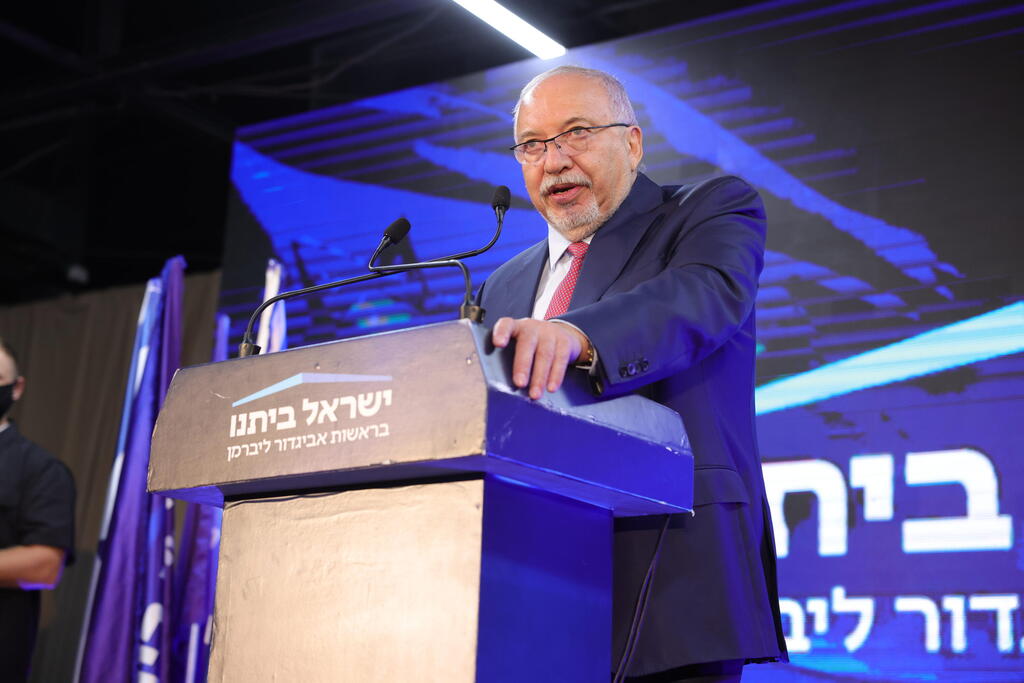
Avigdor Liberman
(Photo: Oz Moalem)
The major unresolved question is Avigdor Liberman, leader of the nationalist Yisrael Beytenu party, who has not publicly committed to recommending Eisenkot.
According to figures involved in the discussions, Liberman has also avoided revealing his intentions during closed-door conversations among leaders of the bloc.
His silence has puzzled other opposition figures, particularly because he has made few public statements since the election results were announced, apart from posts on social media.
Liberman is expected to convene his party's first parliamentary faction meeting Monday and issue a statement to the media afterward.
He has denied reports that he sought the position of Knesset speaker for himself following claims that opposition figures had offered the post either to him or to fellow Yisrael Beytenu lawmaker Oded Forer.
Liberman's decision could affect the number of lawmakers recommending Eisenkot, though the former military chief is currently expected to receive more endorsements than Netanyahu even without Yisrael Beytenu's support.
According to the bloc's calculations, Eisenkot could secure as many as 67 recommendations if Liberman joins the effort.
Without Yisrael Beytenu, he is expected to receive 60, compared with 46 for Netanyahu.
The ultra-Orthodox United Torah Judaism party is expected to remain uncommitted, at least initially.
Those figures would make Eisenkot the leading candidate to receive the first mandate, although the president is not legally required to choose the lawmaker with the most recommendations.
The central question remains whether Eisenkot can translate parliamentary support for replacing Netanyahu into a coalition capable of winning a confidence vote.
Herzog to begin consultations Wednesday
Herzog is expected to begin consultations with representatives of the parties elected to the Knesset on Wednesday, asking each faction whom it recommends to form the next government.
The process is expected to continue Thursday and could extend into Friday.
Under Israeli law, the president has seven days to conduct the consultations, make a decision and assign the mandate to a member of the Knesset.
That places the deadline at Nov. 11, although Herzog could announce his decision earlier.
Unlike political systems in which the leader of the largest party automatically becomes prime minister, Israel's president is tasked with selecting the lawmaker judged most likely to assemble a governing majority.
In practice, the president generally gives considerable weight to the number of recommendations each candidate receives from parliamentary factions.
But recommendations are not binding commitments to join a coalition, and a candidate can receive more endorsements than a rival without having a viable governing majority.
That distinction is especially important after an election in which the balance between the rival political blocs has left government formation uncertain.
For Eisenkot, receiving the mandate first would provide both a political advantage and an opportunity to advance his bloc's legislative agenda while negotiations continue.
For Netanyahu, being passed over would not necessarily end his chances of remaining prime minister.
Israeli law provides several additional stages for forming a government if the first candidate fails.
What happens if Eisenkot cannot form a government?
The lawmaker who receives the first mandate has 28 days to form a coalition and present a government to the Knesset.
The president may grant an extension of up to 14 additional days, giving the candidate a maximum of 42 days.
If that effort fails, Herzog can choose between two options.
The first is to assign the mandate to another member of the Knesset, potentially the leader of the rival bloc.
That candidate would have 28 days to form a government, without the possibility of an extension.
Alternatively, the president can inform the Knesset that he sees no viable prospect of forming a government.
That decision would trigger a 21-day period during which at least 61 lawmakers could submit a written request asking the president to assign the mandate to a particular member of the Knesset.
If such a request is submitted, the designated lawmaker would receive 14 days to assemble a coalition.
If none of those attempts produces a government that wins the Knesset's confidence, parliament would automatically dissolve and Israel would head to another election.