


The IDF announced Sunday that the 96th Division completed its formation just 48 hours after the start of Operation Rising Lion against Iran earlier this month. The division was established to "reinforce and double defenses along the eastern border."
Originally scheduled for August, the division’s formation—planned for months—became operational within two days of the start of fighting against Iran. It is now responsible for Israel’s eastern border with Jordan.
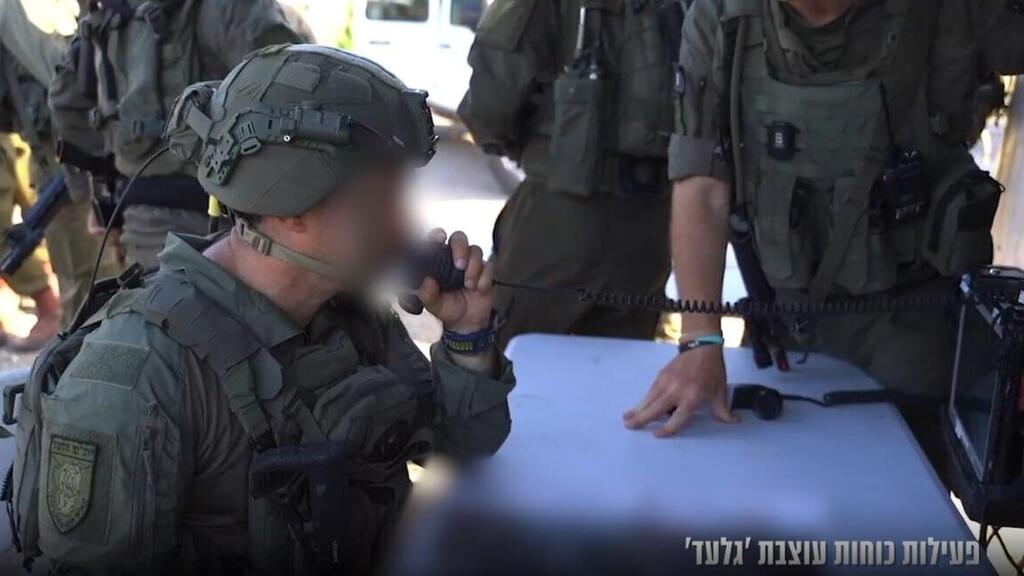
On Thursday, the division conducted its first large-scale exercise led by the Urban Warfare Training Center, simulating "emergency scenarios and rapid response to escalating events to enhance combat readiness." The drill involved multiple security agencies and local municipalities. Division Commander Brig. Gen. Oren Simcha praised troops for their mobilization and initiative.
IDF Central Command Chief Maj. Gen. Avi Bluth addressed soldiers post-exercise: "Operation Rising Lion provided an ideal opportunity to expedite the division’s formation. “Success happens when capability meets opportunity—and here, immense opportunity met extraordinary motivation from regular, career and reserve personnel. You understood the operational necessity and excelled."
At the war’s onset, the West Bank was designated a low-priority sector to prevent terror attacks from diverting resources from Iran. Military sources told Ynet that initial troop mobilization was constrained to avoid alerting terrorists: "We couldn’t issue widespread emergency call-ups, requiring alternative planning."
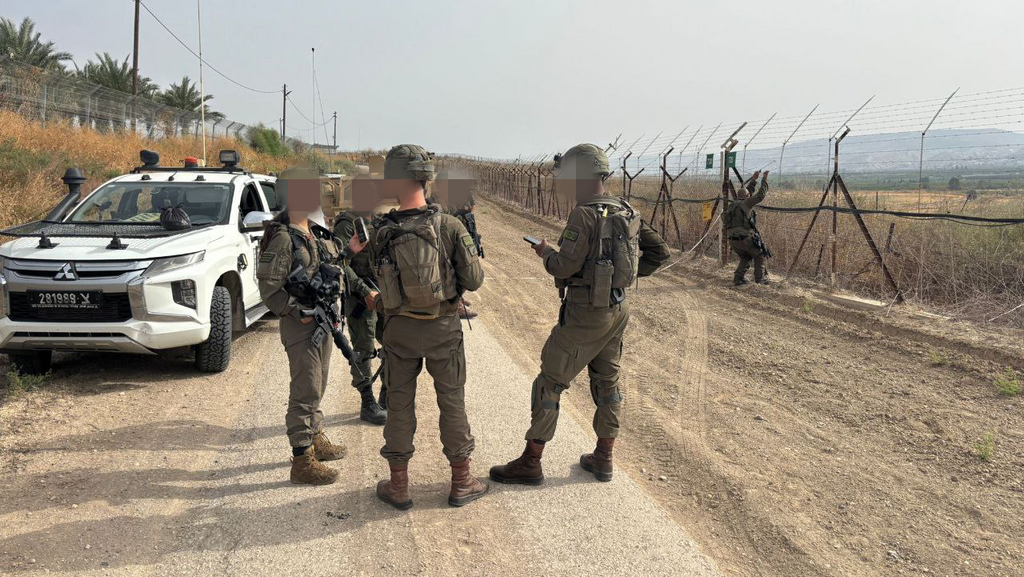
IDF forces on the Jordanian border
Immediately after Iran’s attack, the IDF’s Home Front Command units redeployed from the West Bank to central Israel. Central Command imposed strict closures on all Palestinian towns until reinforcements arrived. Within 48 hours, troop presence surged from 24 to 38 battalions, reflecting security concerns over potential attack waves.
During the 12-day Iran conflict, Judea and Samaria Division forces conducted brigade-level operations from Hebron to the northern West Bank. Troops raided 200 villages, searched over 1,000 buildings, arrested 165 suspects, eliminated three terrorists and seized 98 weapons.
Get the Ynetnews app on your smartphone: Google Play: https://bit.ly/4eJ37pE | Apple App Store: https://bit.ly/3ZL7iNv
A key objective for Central Command is isolating the West Bank and preventing Iranian weapon/terrorist smuggling via the eastern border. "Iran is building a full-fledged proxy here," a military source said. Beyond weapons, Iran attempts cash smuggling—troops confiscated over NIS 250,000 ($67,000) destined for terror cells during the conflict.
Settler rioting against Palestinians near Ramallah


Authorities also monitored potential "price-tag" attacks by Israeli extremists against Palestinians, which could destabilize the region—as seen recently near Ramallah.
Despite operations, security forces maintained and deepened coordination with Palestinian Authority (PA) officials. During the war, joint operations led to arrests and raids.
Refugee camps were cleared of terror "battalions" built over recent years. Security sources are now evaluating reconstruction plans for destroyed buildings, emphasizing: "Nothing will be rebuilt if it compromises our operational freedom."