

As fighting with Iran and Hezbollah continues, the political system has entered a decisive week ahead of a vote on the state budget that could determine the government’s survival.
The coalition plans to bring the budget to a final vote on Thursday, five days before the legal deadline. If the budget is not approved by next Tuesday — the day before Passover begins — the Knesset will automatically dissolve and Israel will head to elections within three months.
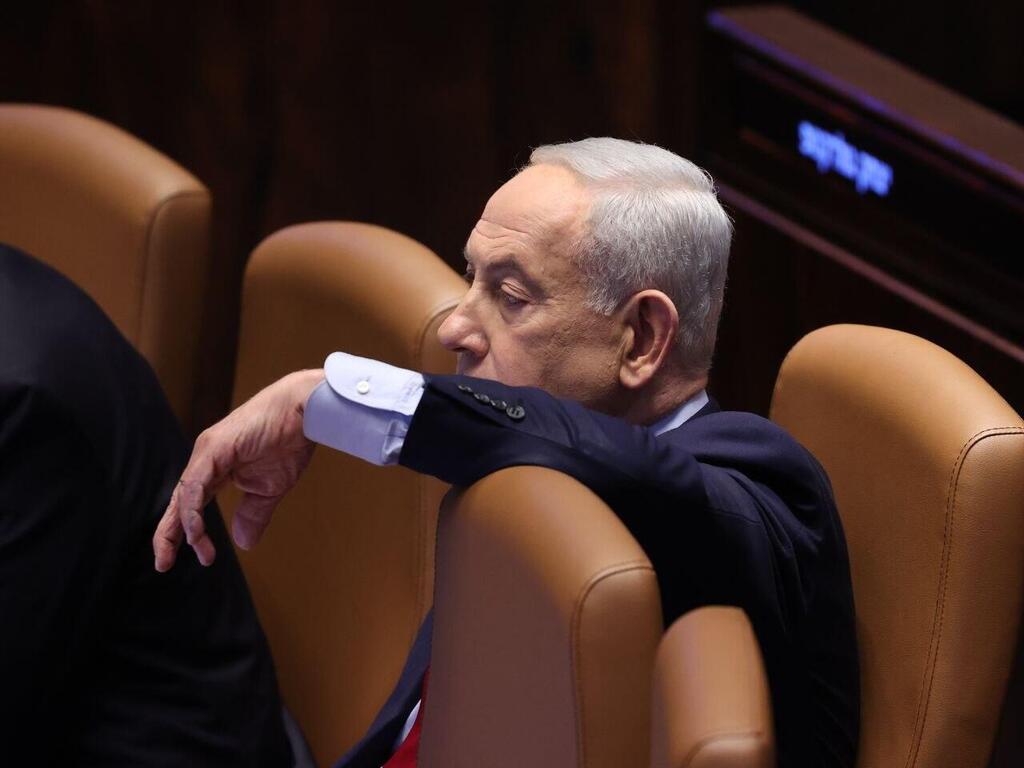
The timetable is tight. The Knesset Finance Committee has not yet completed deliberations and votes on all sections of the budget. Committee chairman Hanoch Milwidsky is working to secure approval in committee on Sunday or Monday, ahead of the required second and third readings in the Knesset plenum.
The opposition is attempting to delay the process. The Yesh Atid party has submitted more than 5,000 objections in an effort to prolong committee debates. Lawmaker Vladimir Beliak said the party intends to use the objections to slow what he described as a harmful budget. Under parliamentary rules, three days must pass between committee approval and the final plenum vote.
The political stakes are high. Failure to pass the budget would immediately trigger elections.
The ultra-Orthodox parties are expected to support the budget despite repeated threats to withhold backing unless legislation granting exemptions from military service is passed. At the start of the war, the coalition removed the draft exemption bill from its agenda but promised billions of shekels in budget allocations and coalition funds to secure ultra-Orthodox support.
Although the ultra-Orthodox factions have not formally announced their position, most of their lawmakers are expected to vote in favor. Without their support, the budget would fail.

(Photo: Alex Kolomoisky)
A coalition official acknowledged the risk. “Because of the war and the political schedule, we waited until the last moment. It’s a dangerous gamble,” the official said.
The Knesset had been scheduled to begin its Passover recess this week but will remain in session until the budget’s fate is decided.
Opposition lawmaker Merav Ben Ari accused Prime Minister Benjamin Netanyahu of delaying the vote unnecessarily, saying the ultra-Orthodox parties enabled the move in order to preserve the coalition.
Milwidsky defended the budget, saying adjustments were made to address wartime needs. Although the framework was prepared in November, before the current phase of fighting, he said the Finance Committee worked with the Finance Ministry’s budget department to introduce flexibility and respond to economic demands arising from the war, even before a planned across-the-board spending cut takes effect.