

Pope Leo XIV arrived in Lebanon on Sunday evening for the first overseas visit of his papacy, stepping into a country still reeling from war, economic collapse and political paralysis, and shadowed by fears of a renewed clash between Israel and Hezbollah.
Landing in Beirut after a four-day visit to Turkey, the pope traveled from the airport to the presidential palace in a closed popemobile for an official welcome. President Joseph Aoun and Prime Minister Nawaf Salam greeted him at Baabda Palace, where a drumming troupe danced in heavy rain.
Pope Leo XIV arrived in Lebanon
(Video: Reuters)


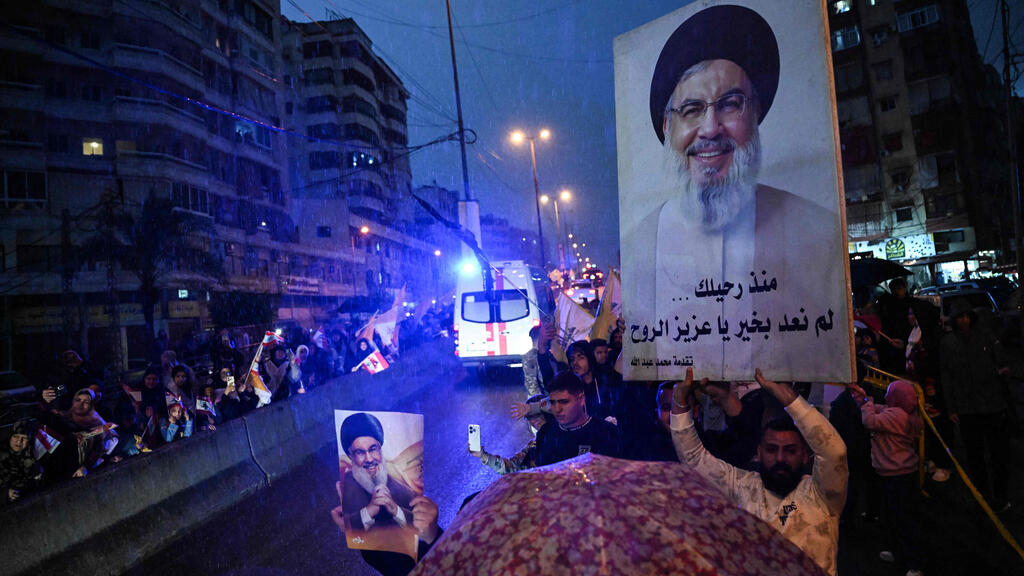
The motorcade passed through Dahieh, Beirut’s southern suburb and a Hezbollah stronghold that has been heavily struck in Israeli raids over the past two years. Supporters in the area waved portraits of Leo alongside images of slain Hezbollah leader Hassan Nasrallah, and some raised Hezbollah flags as the convoy went by.
Lebanon is the second stop in Leo’s first trip outside Italy and the Vatican since his election in May. The pope chose to visit the country partly to fulfill a long-held wish of his predecessor, Pope Francis, who sought to travel to Lebanon but was repeatedly deterred by security turmoil and declining health.
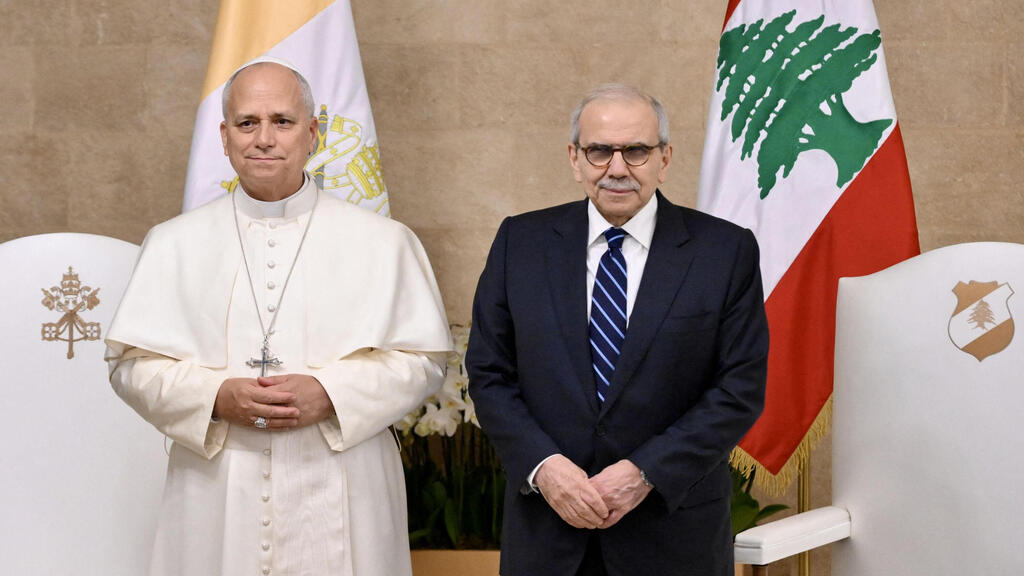
The visit comes at a delicate moment for Lebanon, a deeply divided state whose power-sharing system among religious communities often leads to gridlock and fragile governments. The country has been battered by a historic financial collapse that began in 2019, the 2020 Beirut port explosion that killed more than 200 people and caused billions of dollars in damage, and the spillover of the Gaza war, including repeated Israeli strikes after Hezbollah joined the conflict following Hamas’ Oct. 7, 2023, attack on Israel.
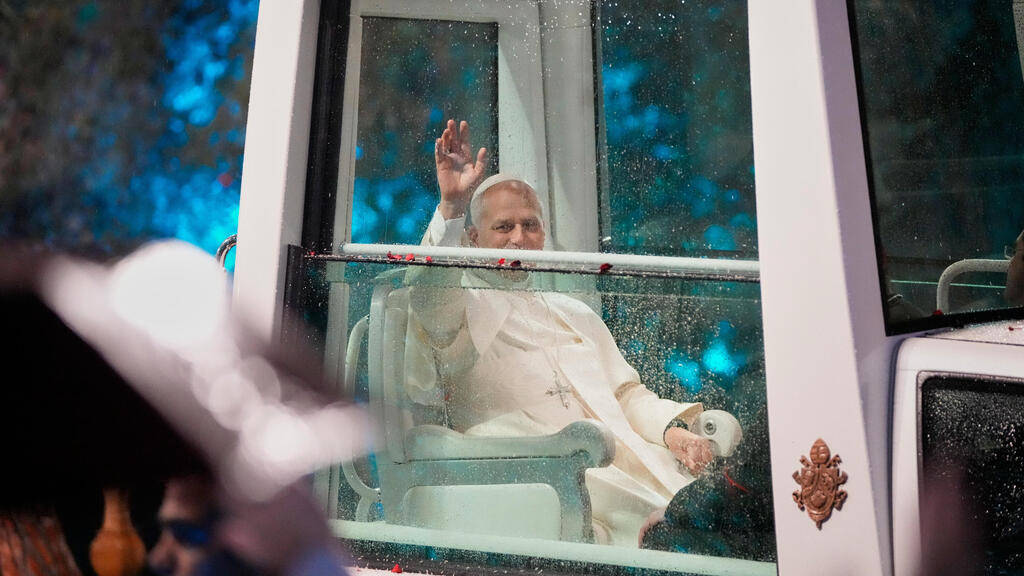
Pope Leo XIV
(Photo: Hassan Ammar/ AP)
Lebanon now faces a potentially explosive decision over the future of Hezbollah’s weapons. Aoun has pledged to place all arms under state control, a move that would effectively disarm Hezbollah. The Shiite group has vowed to block any such step, raising the risk of confrontation either between the Lebanese army and Hezbollah, or if the pledge fails, between Hezbollah and Israel. On Friday, Hezbollah leader Naim Qassem said he hoped the pope’s visit would help end Israel’s near-daily strikes on Lebanese territory.
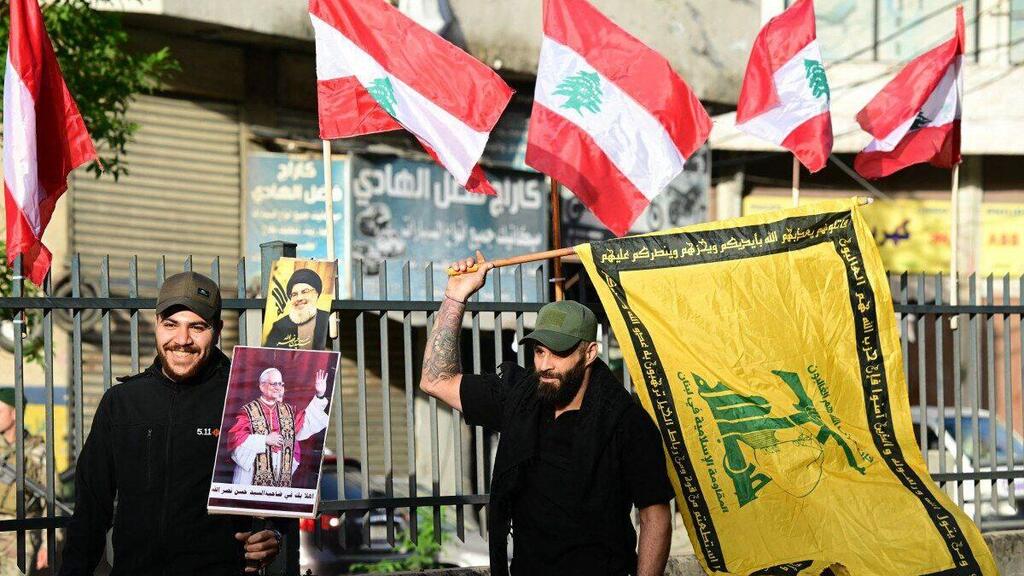
Greeted with Hezbollah flags and portraits of slain leader Hassan Nasrallah
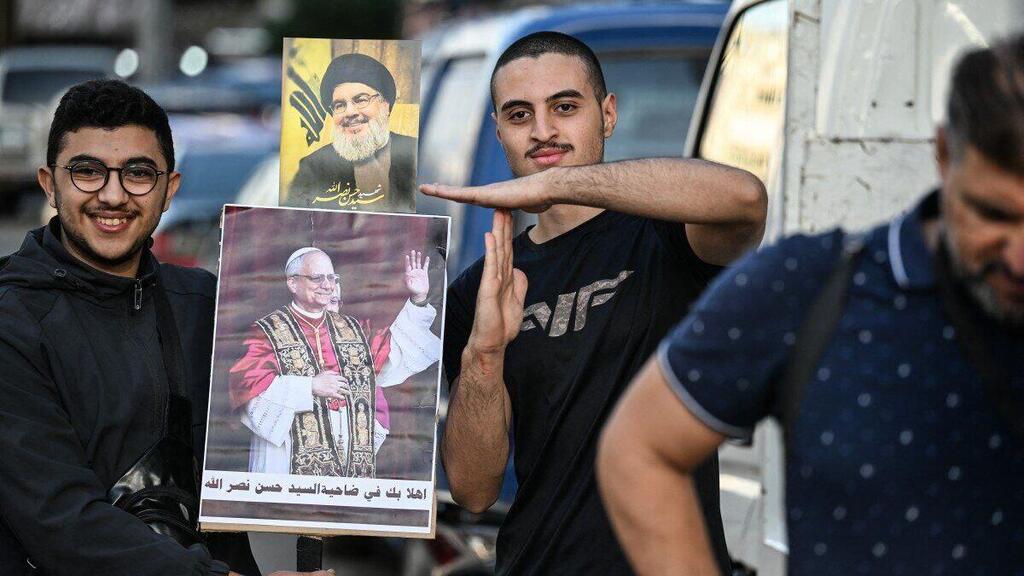
Crowds greet the Pope in Lebanon
In his remarks at the palace, Leo urged Lebanese leaders to pursue political reconciliation, calling on them to “choose the difficult path of reconciliation” to heal “personal and collective wounds.” He warned that without an effort to heal memories and unite those who have suffered injustice, lasting peace would remain out of reach. The pope repeatedly invoked the word “peace,” without directly mentioning Israel or the strikes.
He also appealed to Lebanese citizens not to abandon their country. An estimated 800,000 Lebanese have left between 2012 and 2024 amid economic crisis and insecurity. Lebanon’s population of about 5.8 million includes more than a million refugees who fled the war in neighboring Syria. Leo said staying, or returning, requires courage even when uncertainty, violence and poverty are pushing young people and families to seek a future elsewhere.
(Photo: Joseph Eid/ AFP)
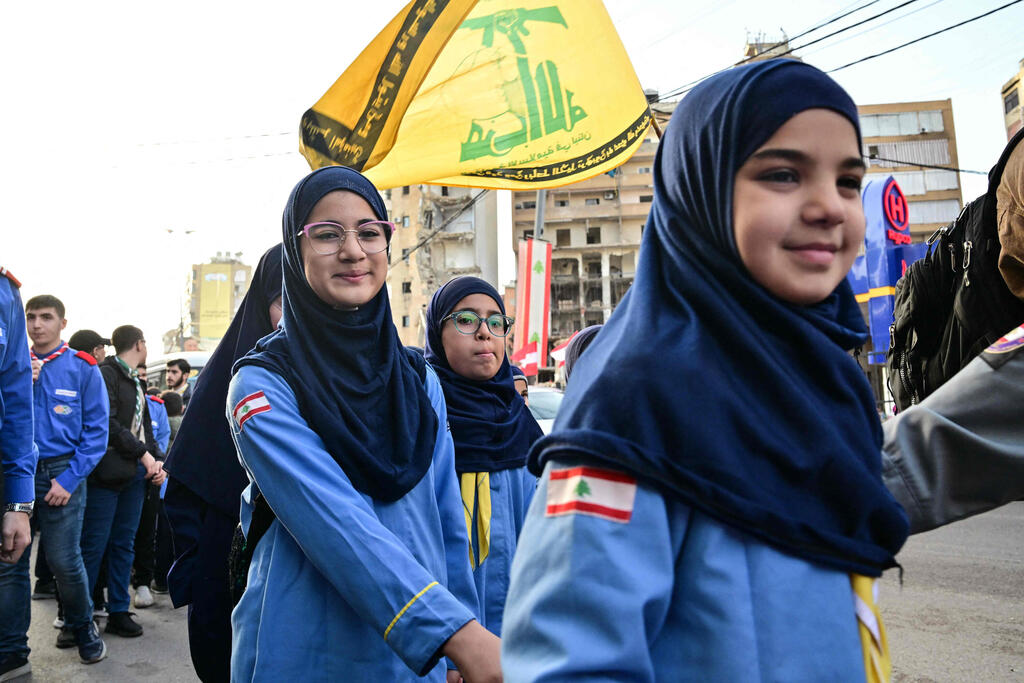
Crowds with Hezbollah flags
(Photo: Giuseppe Cacace/ AFP)
The pope’s visit is scheduled to last one day. He is expected to travel to five towns and cities, including sites in southern Lebanon, the region that has absorbed the heaviest Israeli bombardment in recent years. He is also set to pray at the site of the 2020 port blast, celebrate a large Mass on Beirut’s waterfront, and visit a psychiatric hospital as a gesture to those living in the margins of society.
During the short flight from Turkey to Lebanon, Leo spoke with reporters and addressed the Israel-Hamas war more directly than he had publicly during his Turkey stop. Reaffirming the Vatican’s long-standing support for a two-state solution, the pope said it remains “the only way” to resolve the Israeli-Palestinian conflict. He acknowledged that Israel currently rejects that route, but said the Holy See will continue efforts with both sides to serve as a mediating voice aimed at a just outcome.
Leo, who usually favors cautious diplomatic language, has sharpened his criticism of Israel’s military campaign in Gaza in recent months. He said he also discussed Gaza with Turkish President Recep Tayyip Erdogan, calling Turkey an important player in efforts toward stability and peace in the region.