

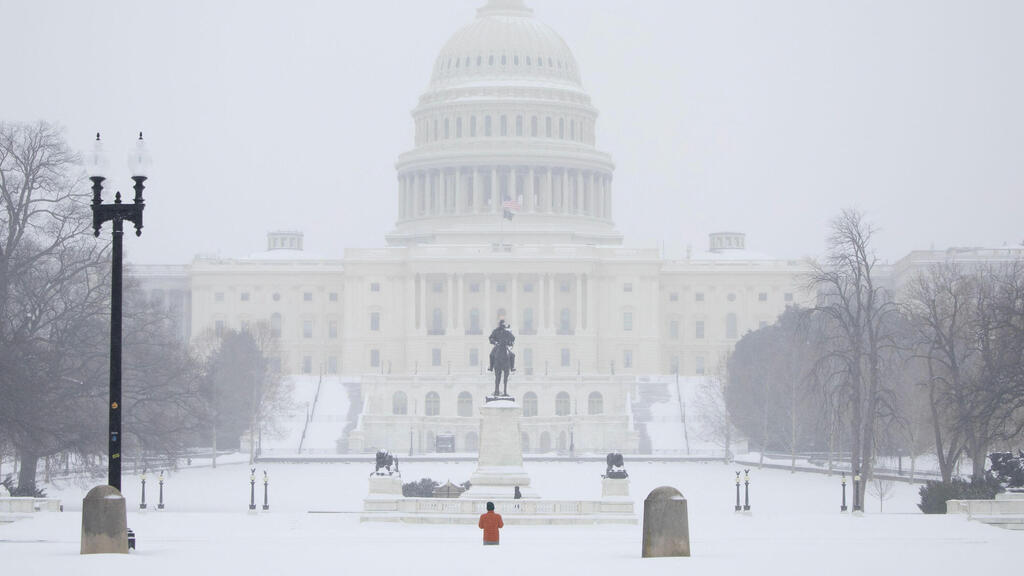
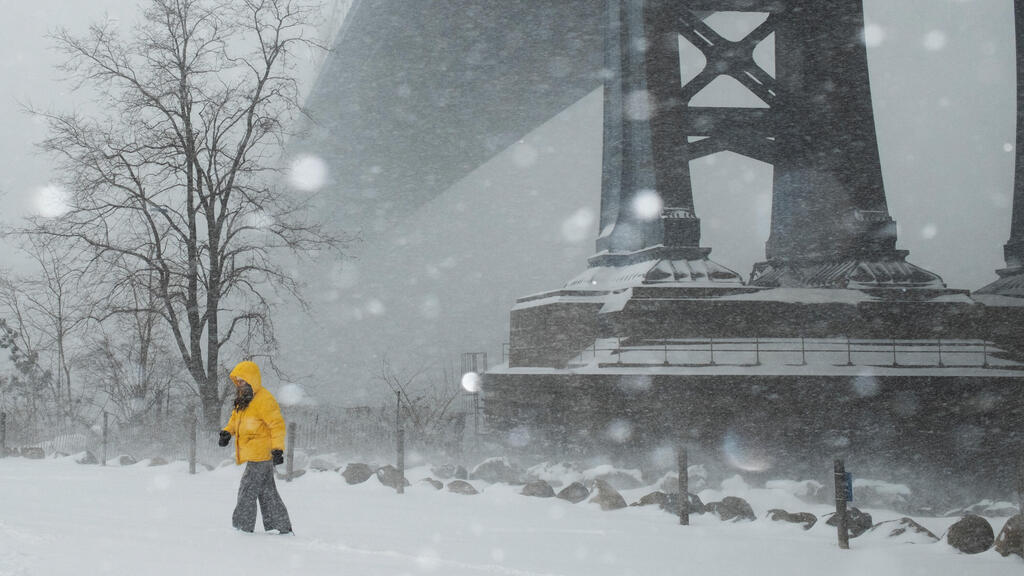
Tens of millions of Americans continued to endure a severe cold wave Monday following a powerful winter storm that swept across the United States over the weekend, dumping heavy snow, paralyzing large parts of the country and killing at least 25 people.
The winter storm in the US
(Video: Reuters)


On Monday evening, seven people were reported killed and another critically injured when a private plane that took off from Bangor, Maine, crashed shortly after departure. The Associated Press reported that heavy snow was falling across many areas at the time of the crash, though in Bangor snowfall had only just begun and other aircraft were able to take off. Authorities have not directly linked the crash to the weather, and the victims were not included in the storm’s death toll.
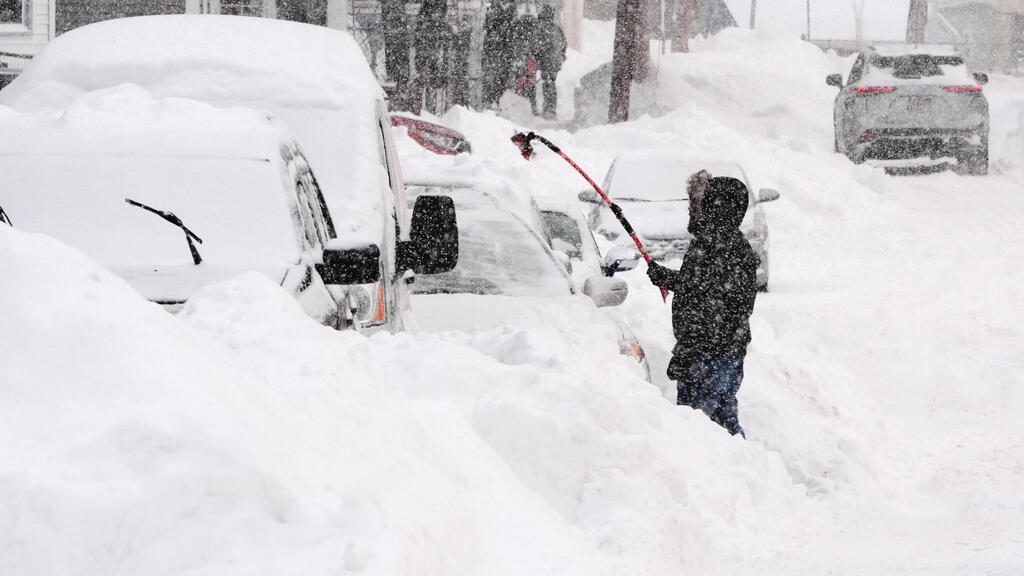
In more than 20 states, snow accumulation exceeded 30 centimeters in many areas. At least 25 state governors declared states of emergency after the storm, which moved south from Canada on Friday and advanced toward the US East Coast.
ארה"ב סופה סופת שלגים ניו יורק
(Photo: Amr Alfiky/ Reuters)
Officials said the storm is now leaving the East Coast, but freezing temperatures are expected to persist in the coming days as another Arctic cold front arrives from Canada.
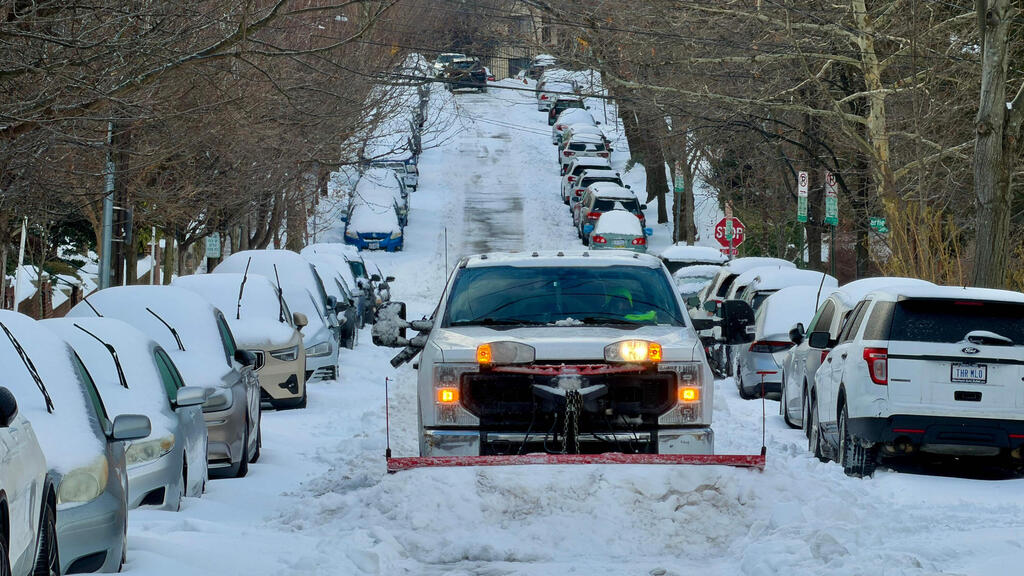
Roadways across the US were coated in thick layers of ice and snow, making travel extremely dangerous. In parts of the southern states, residents faced winter conditions not seen in decades, with ice accumulation causing trees to collapse and power lines to fail.
More than 800,000 customers, including homes and businesses, were without electricity across the southeastern US. Tennessee accounted for more than 250,000 outages, Mississippi about 157,000 and Louisiana roughly 125,000. These southern states, along with Texas, are not accustomed to such severe winter weather, and the damage there has been particularly extensive.
(Photo: Charly Triballeau/ AFP)
(Photo: Daniel Slim/ AFP)
Allison Santorelli of the National Weather Service said many reports had been received of significant ice buildup, including in areas unaccustomed to harsh winters. Recovery efforts, she said, would be especially challenging because so many states were affected simultaneously, leaving northern states unable to divert equipment and resources to less-prepared southern regions.
“In many of these places, there simply aren’t the tools or resources to handle events like this,” Santorelli said. “We are especially concerned about people who are now without power.”
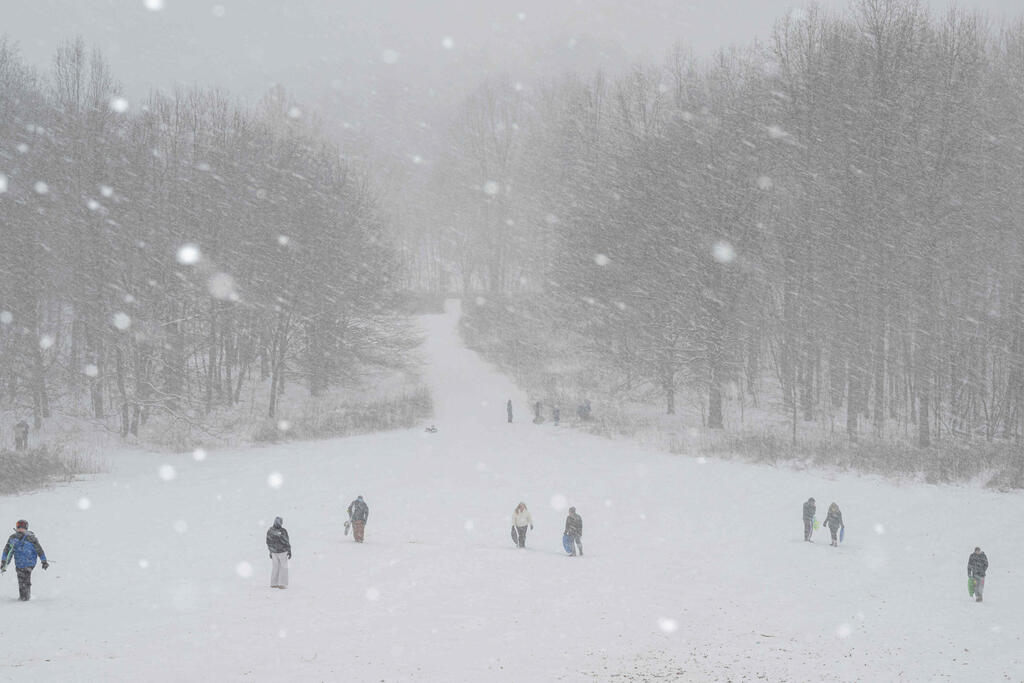
Among the 25 confirmed deaths were two people struck by snowplows in Ohio and Massachusetts, and residents killed in sledding accidents in Texas and Arkansas. A woman who went missing after leaving a bar in Kansas was later found dead, buried in snow.
(Photo: Charles Krupa/ AP)
(Photo: Scott Eisen/ AFP)
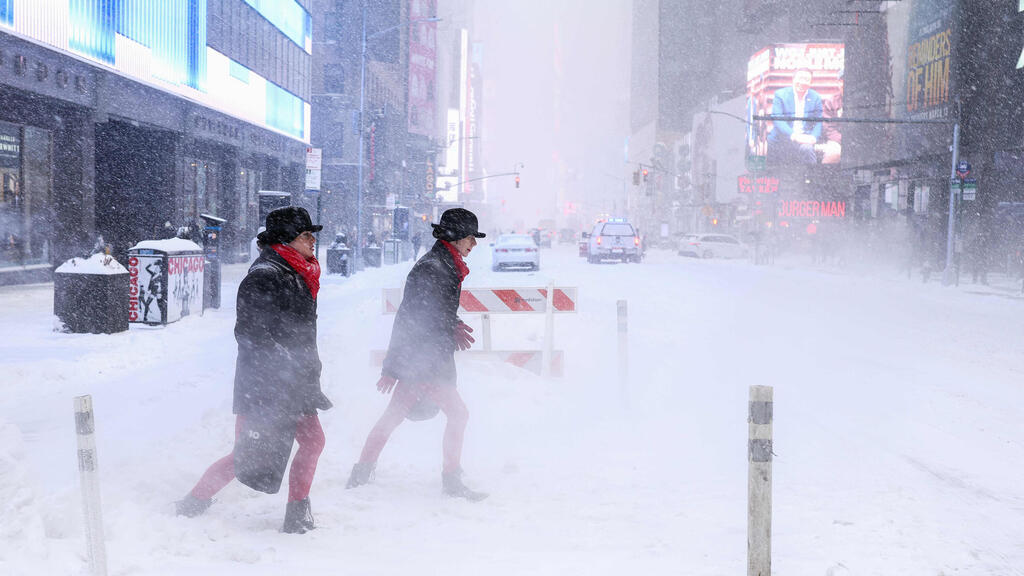
At least eight people were found dead on the streets of New York City. Mayor Zohran Mamdani said they died from exposure to the cold and urged residents to call for help if they see anyone in distress. “There is no more powerful reminder of the danger of extreme cold,” he said.
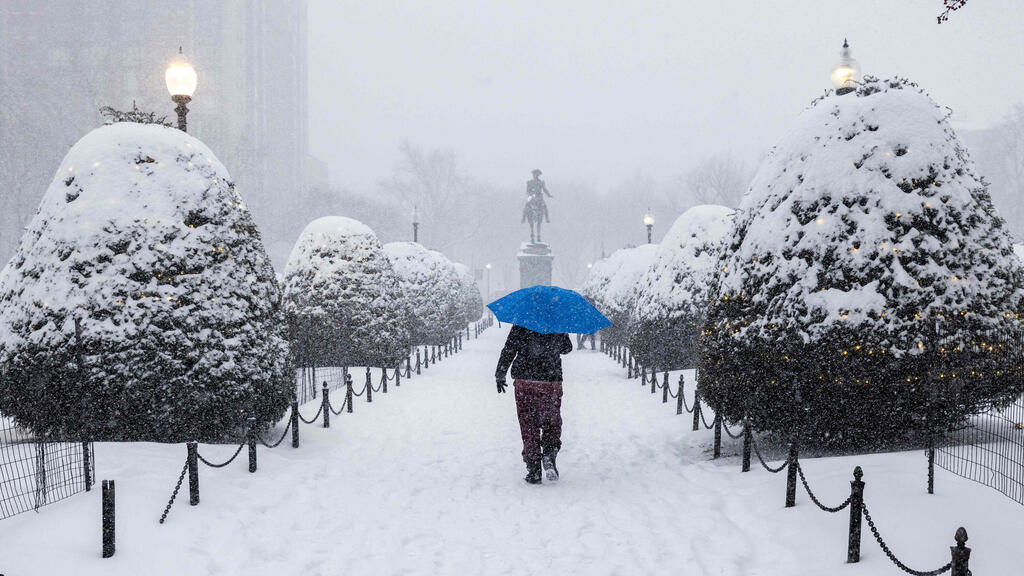
New York City recorded its snowiest day in years, with 28 centimeters accumulating in Central Park. New York Gov. Kathy Hochul said National Guard troops were deployed to assist emergency crews in New York City, Long Island and the Hudson Valley.
The National Weather Service said extreme cold is expected to continue through early February. Forecasters estimated that the overnight period from Sunday into Monday was the coldest across the continental United States since January 2014, with the average low temperature across the lower 48 states reaching minus 12.3 degrees Celsius.
(Photo: Saul Loeb/ AFP)

(Photo: Brian Snyder/ Reuters)
(Photo: AFP)
In parts of Wisconsin and Minnesota, temperatures plunged to as low as minus 30.6 degrees Celsius. Nearly 200 million Americans, representing most of the US population, are currently under extreme cold warnings of varying severity, stretching from the Gulf of Mexico to the Canadian border.
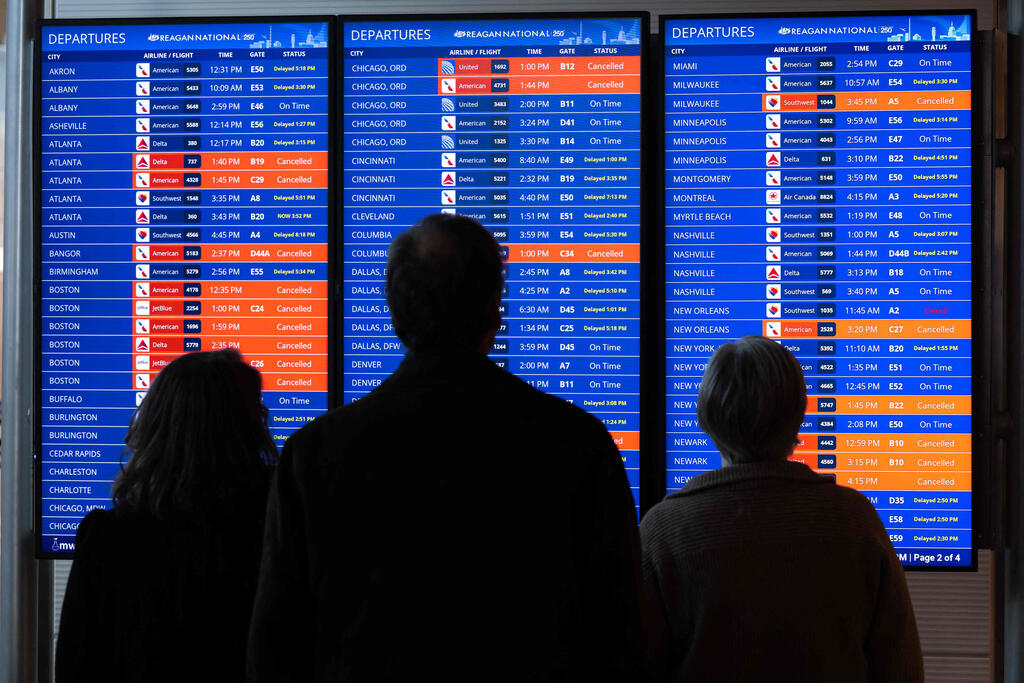
Since Saturday, more than 19,000 flights have been canceled across the United States due to the storm and extreme cold. On Sunday alone, more than 12,500 flights were canceled, the highest single-day total since the start of the COVID-19 pandemic in 2020. Another 3,900 flights scheduled for Tuesday have already been canceled.
US Transportation Secretary Sean Duffy said he expects airport operations to gradually return to normal by Wednesday.