

The emerging U.S.-Iran deal may stop the fighting, but it has not changed the regional balance of power, and Gulf Arab states may be the biggest losers of the war, Reuters reported Monday.
According to Gulf sources, diplomats and analysts cited by Reuters, Iran has emerged from more than three months of war battered but politically emboldened, while confidence among Gulf states in U.S. protection has been deeply shaken.
The agreement offers Washington an exit from a costly confrontation, but without achieving its most ambitious objectives, including forcing Iran’s capitulation or dismantling its nuclear and missile capabilities. For Tehran, Reuters wrote, the central achievement is survival.
After absorbing heavy U.S. and Israeli strikes, the Islamic Republic remains intact, with much of its political establishment preserved and enough leverage to bring the sides to the negotiating table.
“‘Epic Fury’ has been an epic disaster,” said Aaron David Miller, a former U.S. official and negotiator, referring to the U.S.-Israeli campaign against Iran.
Shock in the Gulf
The sharpest shock, Reuters said, is being felt in the Sunni Arab Gulf states, whose decades of economic growth have depended on stability, energy exports and confidence in U.S. security guarantees.
By that measure, Reuters described them as the war’s main losers: spectators to decisions that reshaped their security environment, now left to deal with the fallout.
Gulf sources told Reuters the deal has already begun changing strategic thinking in the region. It has eroded confidence in U.S. protection, reinforced the view that Iran remains an enduring regional force and accelerated a shift toward accommodation rather than confrontation.
A senior Gulf government source said any de-escalation was positive, but that the situation was unequivocally worse than before the war.
The emerging deal also appears unfavorable to Israel, according to three Israeli officials cited by Reuters, because it omits Israel’s core demands, including dismantling Iran’s enrichment capability and curbing its missile program.
The officials said Israel was caught off guard when U.S. President Donald Trump signaled last week that a deal was close. Prime Minister Benjamin Netanyahu later stressed that Israel was not a party to the agreement and that its conditions for any final deal remained focused on ending Iran’s nuclear ambitions.
Far-right National Security Minister Itamar Ben-Gvir rejected the deal, saying Israel was not bound by it “in any way.”
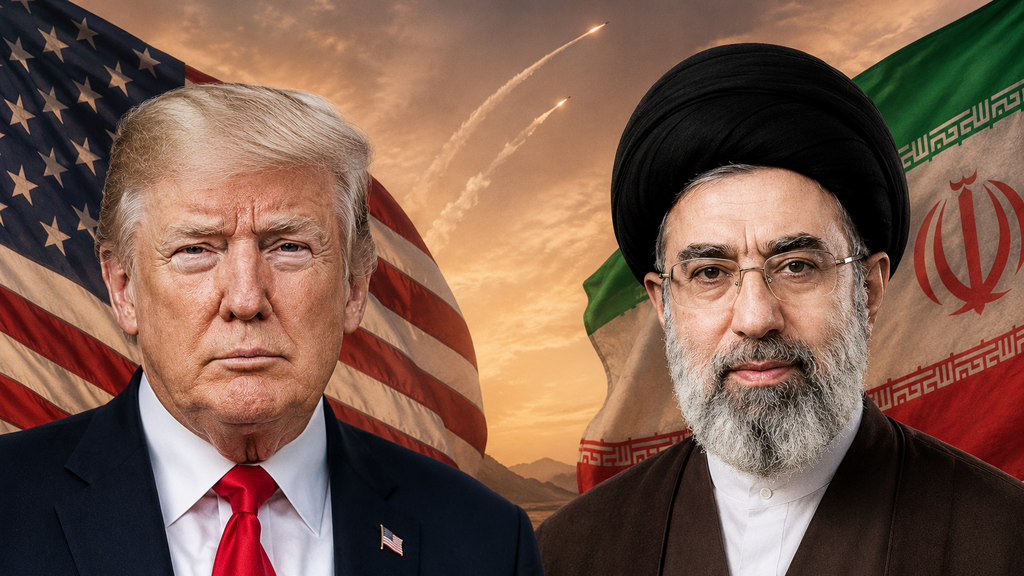
Donald Trump and Mojtaba Khamenei
(Photo)
Iran remains, Gulf states adjust
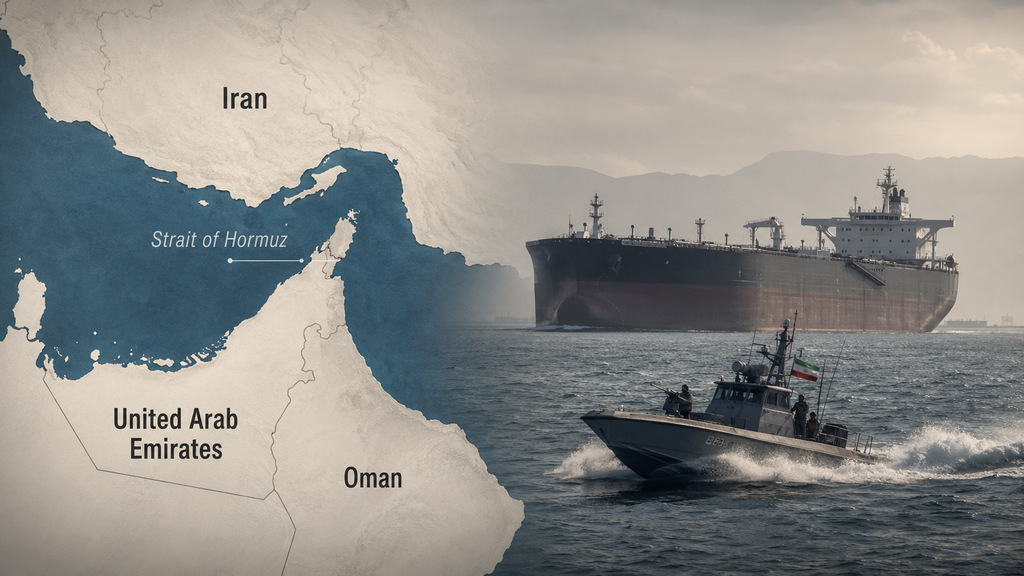
The agreement may end this phase of the conflict, Reuters reported, but Gulf states say it does not solve the strategic dilemma exposed by the war: Iran remains militarily potent, the Strait of Hormuz has become a recurring pressure point and the economic assumptions underpinning Gulf stability now look more fragile.
For Gulf states, the U.S.-Israeli campaign produced precisely the consequences they had long feared, including Iranian strikes on energy and civilian infrastructure and disruption around Hormuz, which dealt a heavy economic blow.
Gulf capitals may welcome a pause in the fighting, but many are drawing a sobering conclusion: neither U.S. nor Israeli force removed the Iranian challenge, while the costs of confrontation fell disproportionately on countries caught in between.
“More and more Gulf states are coming to realize that Iran is here to stay, that it retains the capacity to disrupt the regional order,” Middle East scholar Fawaz Gerges told Reuters.
“The Gulf states don’t trust Iran. They had hoped the United States would bring about regime change. The reverse has happened,” he said. “Now more and more Gulf rulers realize they cannot depend on the U.S., or Israel to deliver security or stability.”
According to regional sources cited by Reuters, Gulf capitals have recently intensified contacts with Tehran, seeking economic and security understandings that could reduce the risk of another confrontation.
Before the war, Gerges said, the central regional question was the scope of Arab-Israeli normalization. Now, he said, the focus is shifting toward accommodation between Gulf states and Iran.
Regional analysts said the United States will remain an indispensable partner, but the conflict is likely to accelerate a quiet realignment, with Gulf states diversifying defense ties and hedging against future shocks.
‘They caved in’
Saudi analyst Abdulaziz Sager was more explicit, telling Reuters that Washington had failed to achieve its declared objectives, from regime change to curbing Iran’s nuclear program, while giving Tehran new strategic leverage through the weaponization of Hormuz and the ability to directly threaten Gulf states.
“They switched from unconditional surrender to an MOU. They caved in,” said Sager, chairman of the Saudi-based Gulf Research Center. “They said they would change the Iranian regime, they couldn’t. They said they would resolve the missile and nuclear file, that didn’t happen.”
Analysts cited by Reuters said the document expected to be signed is less a peace accord than a mechanism to stop the fighting. Core disputes remain unresolved, including Iran’s enriched uranium, enrichment levels, sanctions relief, security guarantees and control of key waterways.
Miller described the memorandum as “a ticket to negotiation,” not a resolution. He compared its structure to Gaza ceasefire frameworks, a pause that defers the hardest issues without guaranteeing they will be solved.
“What is about to be signed is not peace, but recognition: that the war’s ambitions outran its achievements; that the battlefield produced a stalemate, and that Gulf states, which bore the heaviest costs, are recalibrating their security on shakier ground than at any point in time,” Miller said.
Having withstood both internal unrest and external military pressure, Miller added, Iran now faces a different question: whether the war has strengthened, rather than weakened, its sense of resilience, with implications for deterrence in the years ahead.