


For the first time, the IDF has released official mid-year figures on suicide among troops, revealing that 16 cases have been recorded so far in 2025. The disclosure came Tuesday during a meeting of the Knesset Subcommittee on IDF Manpower, chaired by Knesset lawmaker Elazar Stern, which examined the military’s suicide prevention efforts.
In addition to Stern, participants included Brig. Gen. Amir Vadmani, chief of staff of the IDF Personnel Directorate; Col. Dr. Yaakov Rothschild, head of the IDF's Mental Health Division; several lawmakers; and Neta, the sister of Maj. Asaf Dagan, who died by suicide.
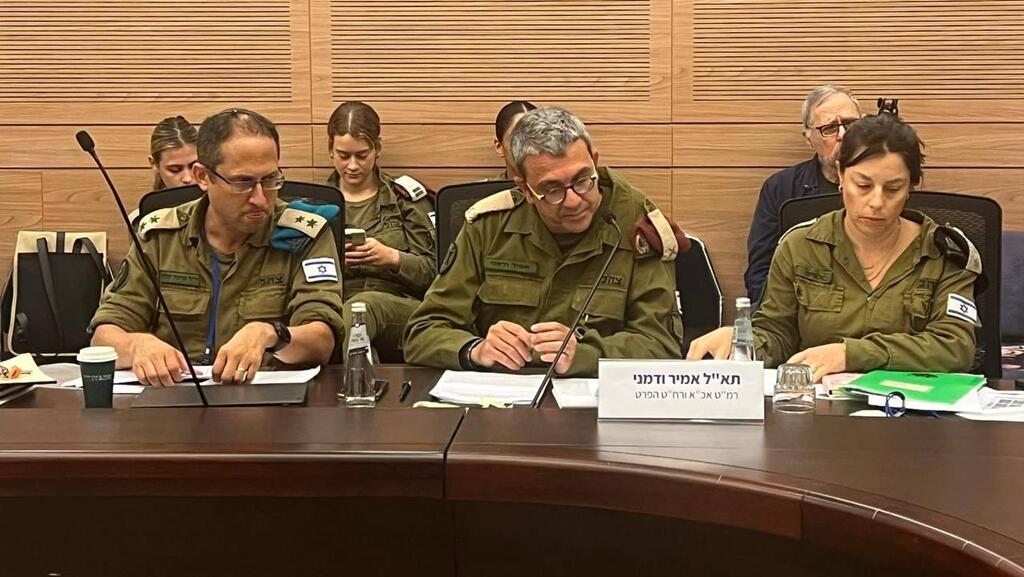
Vadmani presented annual suicide data, noting 21 cases in 2024, 17 in 2023, and 14 in 2022. He acknowledged the 16 cases so far this year — a figure the army has previously refused to release before year’s end — but stressed he does not view the numbers as indicative of a “wave.” “Every case is one too many,” he said. “Our lessons point to problems in accessibility to support hotlines. From mid-August, as we recognize the holidays as a particularly sensitive period, we are launching a campaign to improve hotline access, including the option for anonymous calls.”
Get the Ynetnews app on your smartphone: Google Play: https://bit.ly/4eJ37pE | Apple App Store: https://bit.ly/3ZL7iNv
Also addressing the committee was Neri Shariya, a reserve mental health officer and head of rehabilitation at the Summit Institute, which this year launched the Dror program for IDF veterans with severe post-traumatic stress. The initiative offers personalized care — including psychological, family, social and employment support — from a central facility that houses staff offices, therapy rooms and group activities.
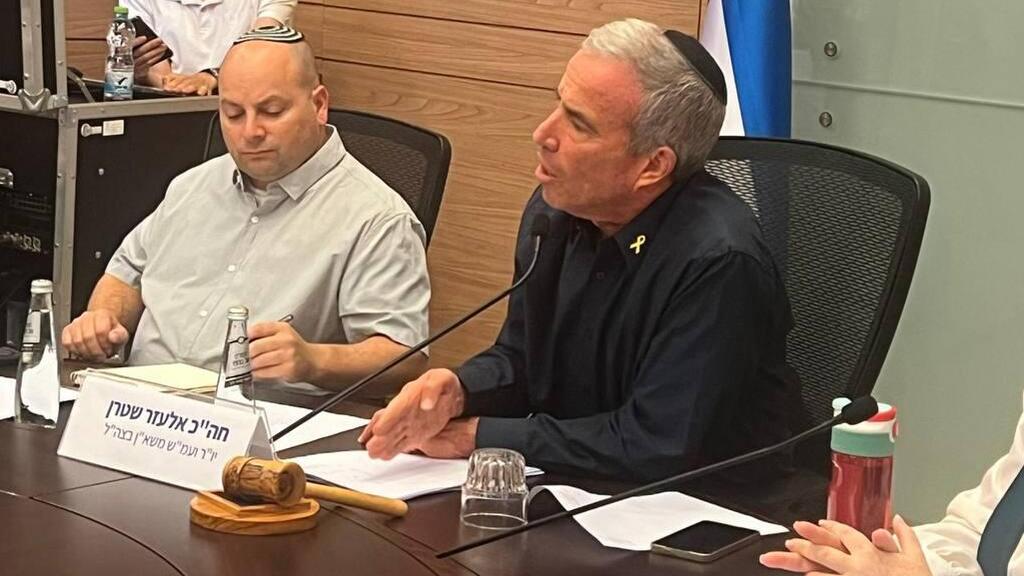
Knesset lawmaker Elazar Stern (right) chairs the Knesset Subcommittee on IDF Manpower
Lawmaker Keti Shitrit warned of a looming crisis. “Having seen the grim data and forecasts from the mental health caucus, I warn we are facing a tsunami. It is unacceptable that we don’t receive concrete figures from the army on mental health referrals. Our sons and daughters carry heavy burdens even after leaving the battlefield. We have neither the privilege nor the time to wait. I demand the army establish a fully transparent committee with authority and clear goals,” she said.
“There is an impressive system in place, but it can and should be improved," Stern concluded. "I was glad to see an attentive ear from IDF representatives. We cannot prevent all traumas, but we can ensure no one is left to cope alone. Mental health support is a moral duty that directly saves lives.”