


The Israeli Air Force was expected by Wednesday to complete strikes on what they described as the most necessary and vital targets in Iran’s defense industry, Israeli security officials said Tuesday, adding that the campaign had already hit 60% to 70% of the military-industrial sites on their target list.
The officials said the strikes were intended to set Iran’s military production back by years and said Israel still had enough targets to continue operations for “weeks to come.” They said the military’s gains were growing by the day as it worked to push the threat farther from Israel.
Gallery
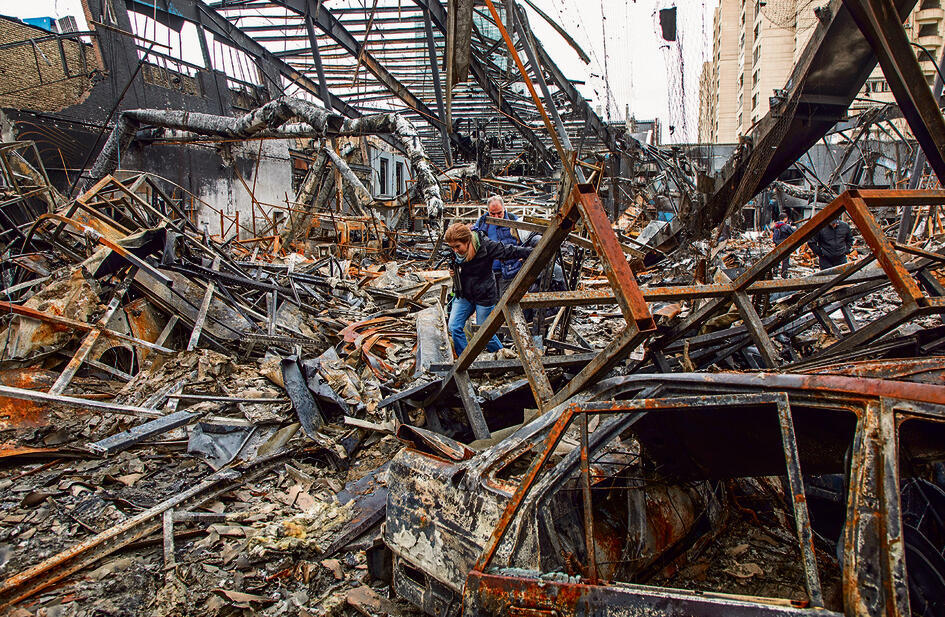
An industrial plant in Tehran attacked by the Israeli Air Force
(Photo: Majid Saeedi/Getty Images)
According to the officials, Iran fired 10 missiles that crossed into Israeli territory over the previous 24 hours. They said Israel had carried out numerous interceptions and continued targeting mid-level Iranian officers, air defense units, surface-to-surface missile systems and senior regime figures.
In the last day alone, they said, 300 munitions were dropped in Iran, focusing on missile batteries, surface-to-air systems and ballistic missiles, while Israeli forces also worked to detect and destroy launchers to disrupt coordinated barrages.
The officials said the military was still maintaining air superiority and hunting missile targets, an effort they said was complicating Iran’s attempts to synchronize fire.
The remarks point to one of Israel’s central war aims: crippling Iran’s defense industry, not only its missile launch capability but also the factories, infrastructure and command networks that sustain it. Outside analysts have also assessed that repeated strikes on defense-industrial sites are degrading Iran’s ability to produce weapons and replace losses, though the full extent of the damage remains difficult to verify independently.
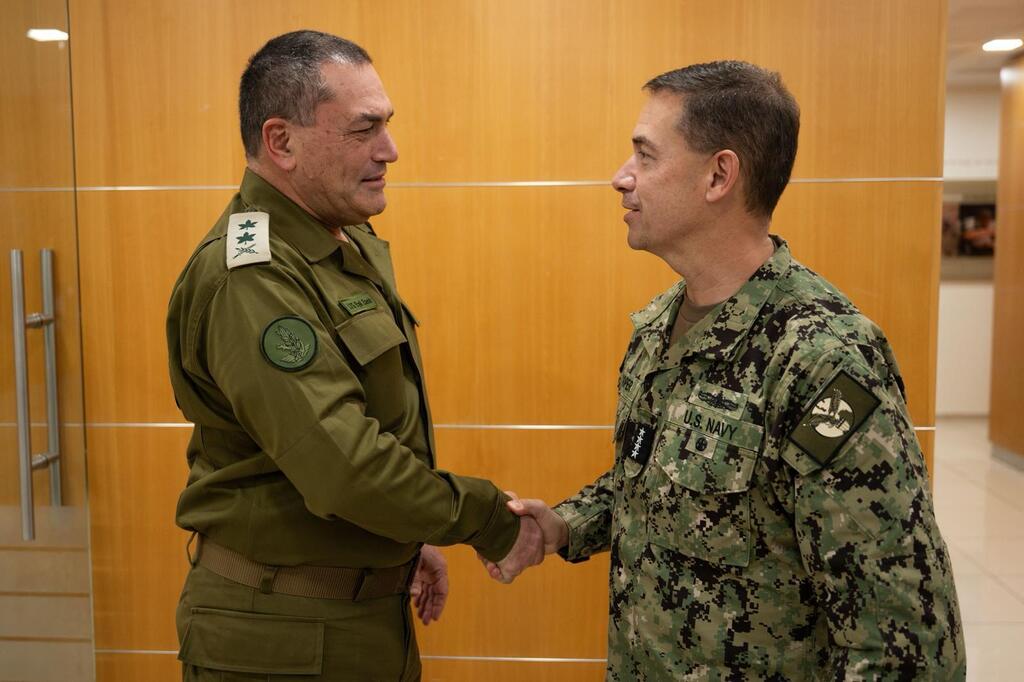
IDF Chief of Staff Lt. Gen. Eyal Zamir and US Central Command chief Adm. Brad Cooper
(Photo: IDF)
They also said IDF Chief of Staff Lt. Gen. Eyal Zamir on Monday hosted U.S. Central Command chief Adm. Brad Cooper for talks on the campaign, describing the U.S.-Israeli military relationship as close. “There is a very high degree of closeness and satisfaction with the cooperation so far, and they planned additional targets ahead,” the officials said. “From a military standpoint, we have completed planning for the first month and are planning ahead. It is a warm relationship at a very close level. The strikes in Iran are continuing.”
Israel has set crippling Iran’s defense industry, not only its missile launch capability but also the factories, infrastructure and command networks that sustain it, as one of its central war aims. Outside analysts have also assessed that repeated strikes on defense-industrial sites are degrading Iran’s ability to produce weapons and replace losses, though the full extent of the damage remains difficult to verify independently.
Meanwhile, the IDF said on Tuesday that the air force, guided by Military Intelligence, completed another wave of strikes overnight aimed at deepening the damage to the Iranian regime’s weapons production industry.
According to the military, the targets included a facility used to cast and fill ballistic missile warheads with explosives intended for launch at Israel; a research and development complex for components used in advanced weapons and a production site for ballistic missile components; and a production, research and development site for components used in anti-tank missiles, small surface-to-air missiles and other weapons.
The military added that, in parallel, Israeli forces continued striking Iran’s firepower arrays in Tehran, including launch sites and surface-to-air missile positions.