

In recent months, reports have been mounting in central Tel Aviv of residential apartment break-ins carried out without leaving a trace. There are no broken locks, no doors forced open and no noise to alert neighbors. In many cases, the door was simply opened using a key that the residents themselves had left behind in an electrical cabinet, a nearby flower pot or another familiar hiding place at building entrances.
Footage shows a burglar finding a key near an apartment door, entering the home and leaving with a scooter.
Burglar finds a key and enters the apartment
(Footage: Israel Police)


It is a simple, quiet and effective method that relies on convenience and routine. Leaving a key “for emergencies” has become common practice, especially in areas characterized by shared apartments, older buildings and high tenant turnover. For property criminals, it is an easy opportunity that eliminates the need for violent break-ins.
While police in Tel Aviv’s Lev district say data shows a roughly 7% decline in the number of burglary cases opened, in central Tel Aviv this is also linked to the fact that many apartments are rented and uninsured. Many young tenants do not even file a police complaint, since they do not need documentation for insurance claims.
Chief Inspector Ben Goldenberg, head of intelligence and investigations at the Lev Tel Aviv police station in the Yarkon district, described a phenomenon he says is on the rise. “This is especially common in central Tel Aviv, more than anywhere else in the country, precisely because of the population of young people and shared apartments,” he said. “People leave keys for one another in flower pots and electrical cabinets, and criminals know this very well.”
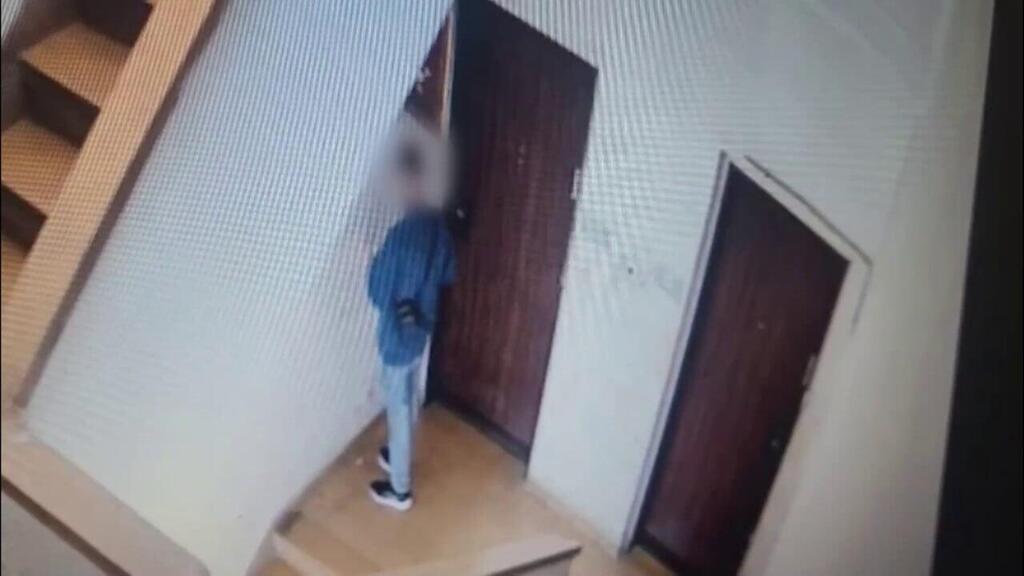
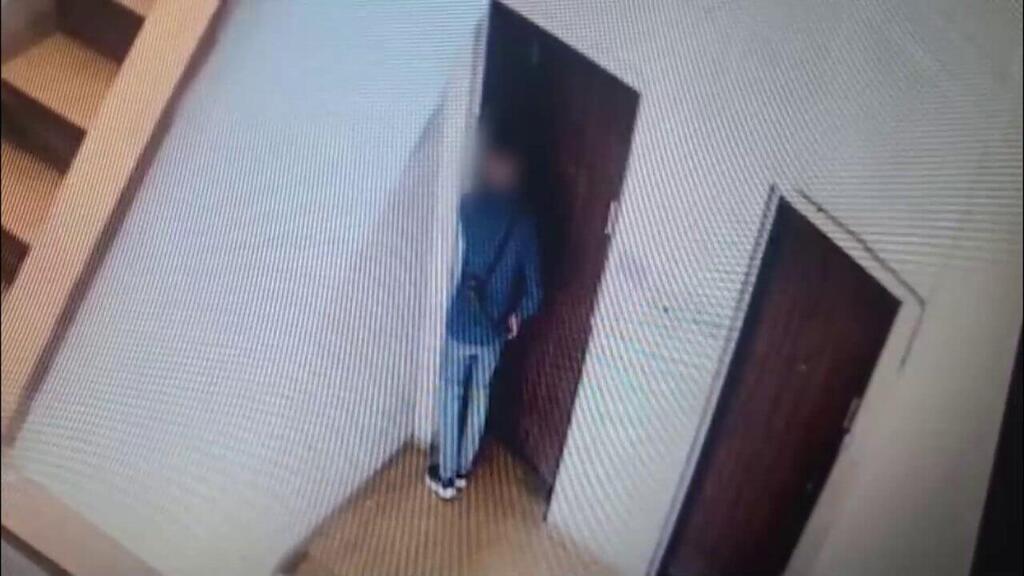
Enters the apartment
(Photo: Israel Police)
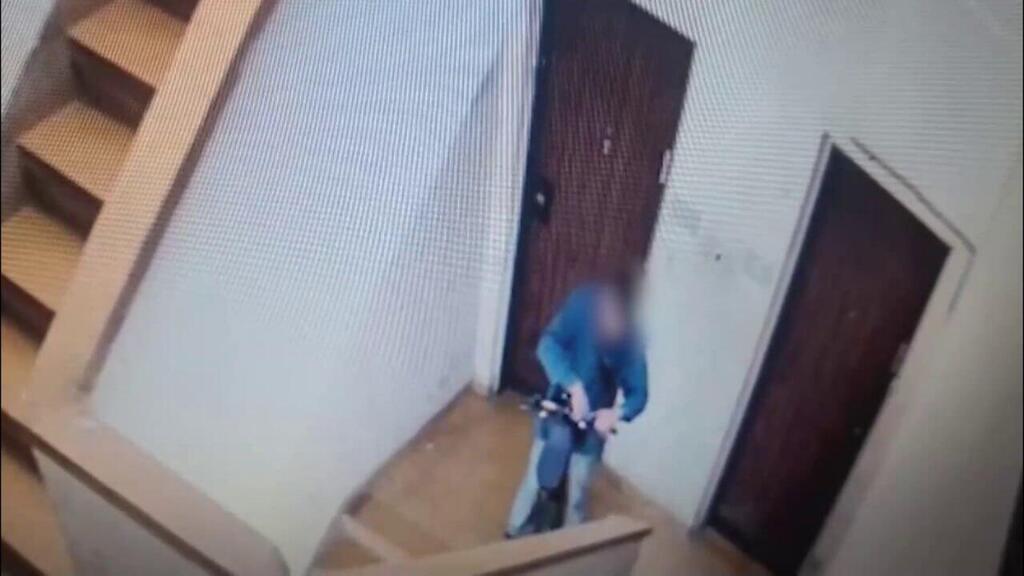
And leaves with a scooter
(Photo: Israel Police)
According to Goldenberg, it is a pattern of behavior well known to offenders. “Criminals know the public’s habits. That’s their profession,” he said. “They go building by building, opening electrical cabinets, checking flower pots, under doormats, inside mailboxes. Once they find a key, they enter the apartment quietly and without causing any damage.” He added that in recent weeks there has been an increase in property crimes in central Tel Aviv, largely due to this specific method. “Lately we’ve seen an uptick in this characteristic pattern,” he said.
An indictment recently filed at the Tel Aviv Magistrate’s Court illustrates how the method works in practice. Muhammad Shahadeh was charged with four separate counts of breaking into apartments in the city, stealing large amounts of property and using stolen credit cards. In one case, prosecutors allege that he “broke into another apartment in the city, in each instance taking the apartment key from an electrical cabinet located in the stairwell and entering the apartment.” According to the indictment, he did so while the complainant was at home, asleep in a nearby room.
Another indictment filed in recent days sheds further light on the method. Nizal Amar, 33, from Lod, is accused of a series of apartment break-ins in central Tel Aviv, also using keys left in electrical cabinets near entrance doors. In one case, according to the charges, he entered an apartment in the early morning hours while the owner was asleep in the bedroom, stole a wallet and keychains and even shone a flashlight into the complainant’s face. The resident woke up and tried to catch him.
In other cases, prosecutors allege that he entered shared apartments while one roommate was asleep and another was not home at all, stealing laptops, mobile phones and credit cards. He later made repeated purchases at businesses around the city using the stolen cards. According to the indictment, investigators were only able to link several of the break-ins after his arrest, including by cross-referencing the timing of credit card use and security camera footage.

money stolen by suspects from apartments
(Photo: Israel Police)
In additional cases described in indictments, defendants opened apartment doors using keys found in nearby electrical cabinets, stole laptops, cash, jewelry and credit cards and later used them to make purchases at various businesses across the city. According to the case files, days and sometimes even weeks passed before victims realized they had been targeted.
‘I only realized days later that someone had been inside my home’
Police stress that in many cases, residents do not immediately realize they have been victimized and sometimes are not aware at all that a break-in occurred. Only days or weeks later do they discover missing cash, credit cards, phones or documents. The discovery often comes as a shock, since the door was closed and everything appeared normal.
Y., a central Tel Aviv resident whose apartment was burglarized this way, said he noticed nothing unusual when he came home. “I didn’t see any sign of a break-in,” he said. “Only after a few days, when I noticed a strange charge on a credit card I rarely used and kept in a drawer at home, did I realize my headphones and some cash were missing. That’s when I understood someone had entered the apartment using the key I had left in the electrical cabinet.”
He immediately removed the key and changed the lock. “You realize someone was in your home without you hearing or noticing anything,” he said. The lesson, he added, was immediate and something he shared with others. “I told all my friends, and some of them admitted they did the same thing. Today, none of them leave a key outside anymore.”
Police emphasize that alongside extensive investigative and intelligence work, preventing break-ins begins with small decisions made by residents themselves. A key left outside an apartment, even if it seems hidden and safe, can become an open invitation for property criminals, leaving behind a violated home and a shaken sense of security.