

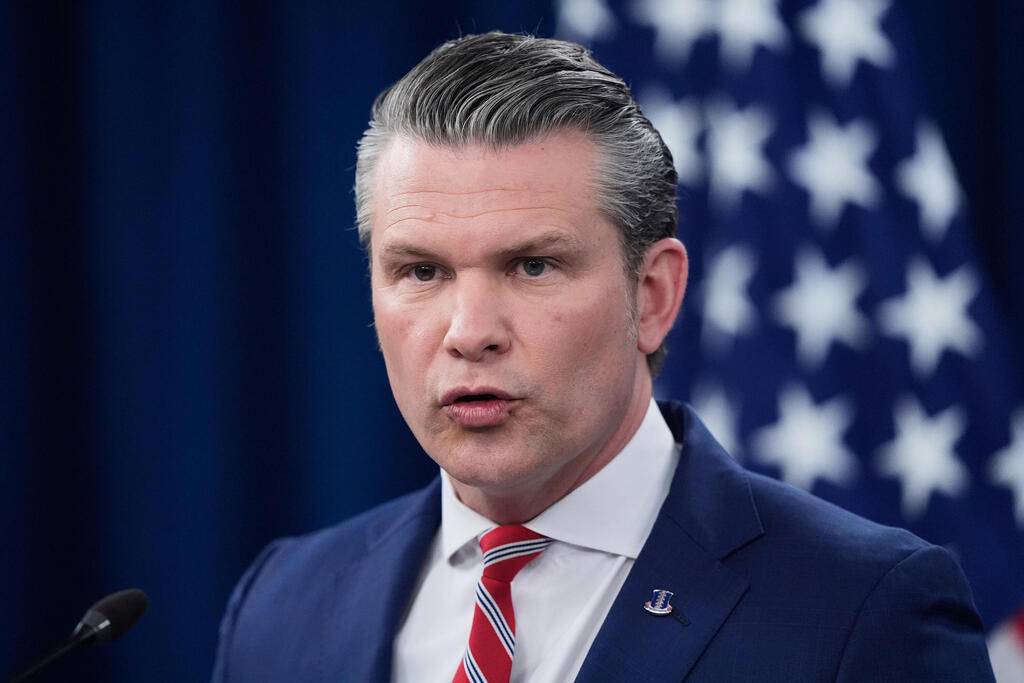
U.S. Secretary of War Pete Hegseth said Tuesday that a new U.S. operation to break Iran’s blockade of the Strait of Hormuz is separate from the broader war against Tehran, warning that while the United States was not seeking a confrontation, American forces remain “locked and loaded” if Iranian attacks on ships persist.
Speaking at a Pentagon news conference, Hegseth said Project Freedom is a temporary mission aimed at protecting civilian ships and tankers trapped in the Persian Gulf since the start of the war and escorting them through the strait. The operation began Monday after Iran moved to block passage through Hormuz, one of the world’s most important energy corridors.
Gen. Caine: Iran strikes remain 'below the threshold' of resuming combat operations


“Project Freedom is defensive in nature, focused in scope and temporary in duration,” Hegseth said, adding that its purpose was to protect maritime traffic from Iranian aggression. “We're not looking for a fight,” he said, while warning that American forces were “locked and loaded” if Iran continued attacking ships.
Hegseth said the ceasefire with Iran remained in effect but urged Tehran to “be prudent.”
Gen. Dan Caine, chairman of the Joint Chiefs of Staff, said at the same briefing that Iran has attacked U.S. forces in the region 10 times since the ceasefire took effect nearly a month ago. He said Iran has also carried out attacks on nine merchant ships, and that the Islamic Revolutionary Guard Corps has seized two tankers.
Caine said those attacks, as well as Iranian attacks Monday on the United Arab Emirates and Oman in response to the new U.S. operation, have so far remained “below the threshold” of resuming combat operations. He added that the U.S. military was prepared for that possibility if President Donald Trump ordered it.
The Pentagon comments came as Trump continued to decline to say whether Iran had violated the ceasefire by firing toward the United Arab Emirates and Oman, a declaration that could push him toward renewing the war against Iran’s clerical regime. In a phone interview late Monday with conservative radio host Hugh Hewitt, Trump said he believed the conflict could continue for “probably another two weeks, maybe three weeks.”
Trump also claimed that the enriched uranium still in Tehran’s possession was “not very valuable,” though he continued to demand that Iran hand it over in negotiations.
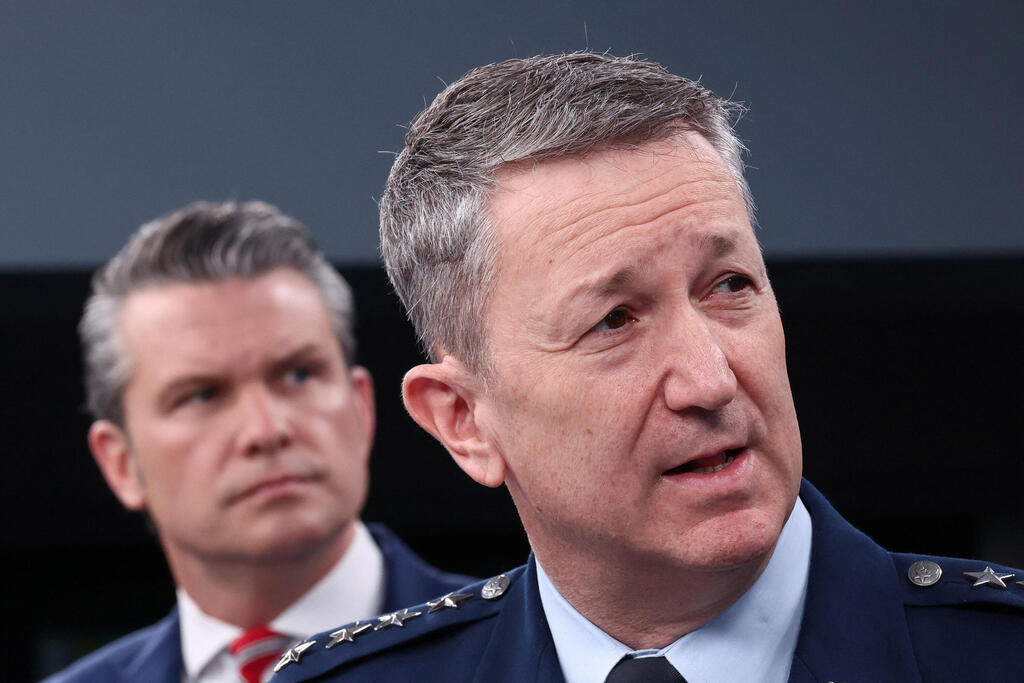
Chairman of the Joint Chiefs of Staff Gen. Dan Caine
(Photo: REUTERS/Kevin Lamarque)
“From a standpoint of value, it's not very valuable. Probably can't be used. They may not be able to get it,” Trump said. “I'd like to get it back so that they can't be tempted.”
Trump did not rule out a return to war but indicated he was in no rush to resume fighting. “We either make the right deal or we win very easily,” Trump said. “From the military standpoint, we've already won that.”
He said Iran had “159 ships” and now had “now they have none. They're all at the bottom of the sea.” Trump also said he was not operating under pressure or time constraints, adding, “Time is not of the essence for us.”
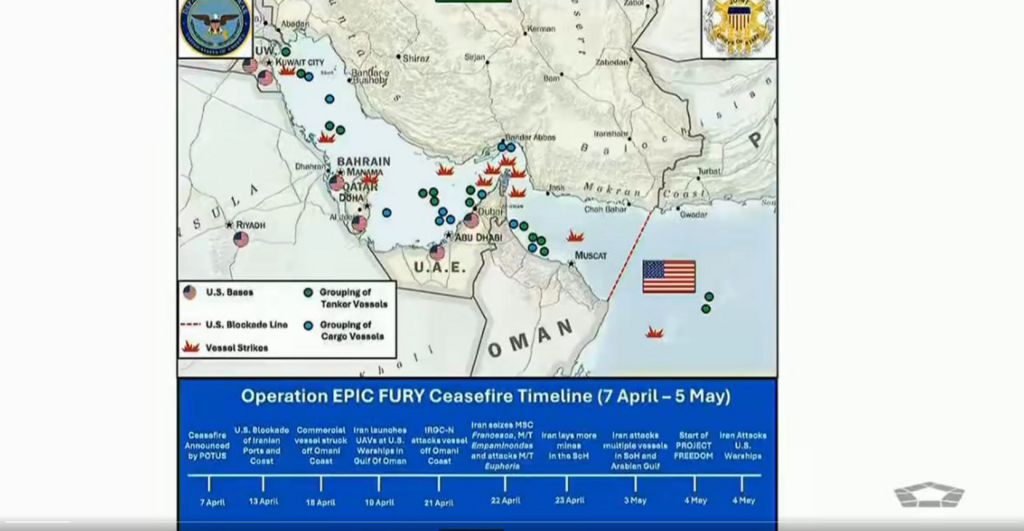
A map of Iranian ceasefire violations presented by Gen. Caine at a Pentagon press conference
Trump said the war has broad support in the United States, despite polls showing that most Americans believe the war was a mistake.
Asked at the Pentagon briefing about claims that Israeli pressure had led the United States into the war, Hegseth said Washington appreciated Israel’s help but said Trump alone was directing U.S. policy.
“There’s only one hand on the wheel ultimately directing this, whether it's Project Freedom or previously Operation Epic Fury — and that is President Trump,” Hegseth said, referring to the U.S. name for the war against Iran.
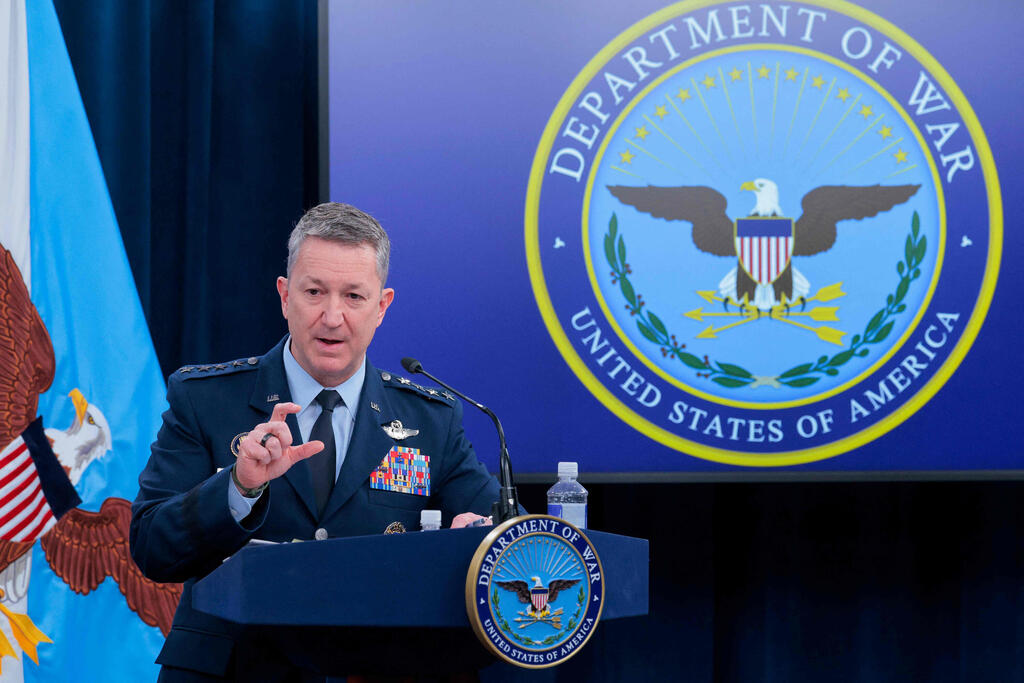
Gen. Caine
(Photo: CHIP SOMODEVILLA / GETTY IMAGES NORTH AMERICA / AFP)
Trump said Project Freedom had achieved U.S. control over the Strait of Hormuz, though that claim could not be immediately verified. So far, only a few ships have been reported to have crossed the strait without Iranian approval. Iran has demanded payment for such authorization.
Speaking about the spike in global oil prices, Trump said he had expected prices to rise even further. He also said he was “convinced” that if Iranian protesters who demonstrated against the regime had enough weapons, they would “fight back.”
Trump said his main focus remains on preventing Iran from obtaining a nuclear weapon. His comments suggested he may not insist on significant restrictions on Iran’s ballistic missile program in negotiations.
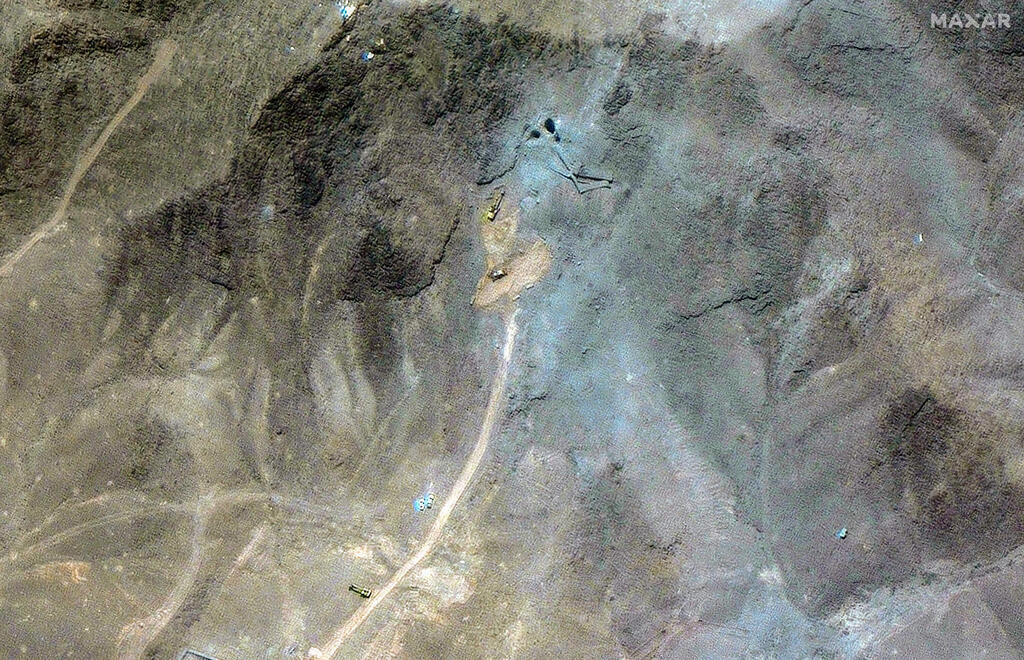
Iran's Fordo nuclear facility
(Photo: SATELLITE IMAGE ©2025 MAXAR TECHNOLOGIES / AFP)
“Look, missiles are bad, but yeah, and they do have to cap it, but this is about they cannot have a nuclear weapon,” Trump said.
Energy and leadership in crosshairs: Israel braces for resumption of fighting
Meanwhile, CNN reported that Israel and the United States are coordinating another round of strikes in Iran, focused on energy infrastructure and the targeted killing of senior regime officials. According to the report, which cited a person familiar with the matter, the goal is a “short campaign aimed at pressuring Iran into further concessions in negotiations.”
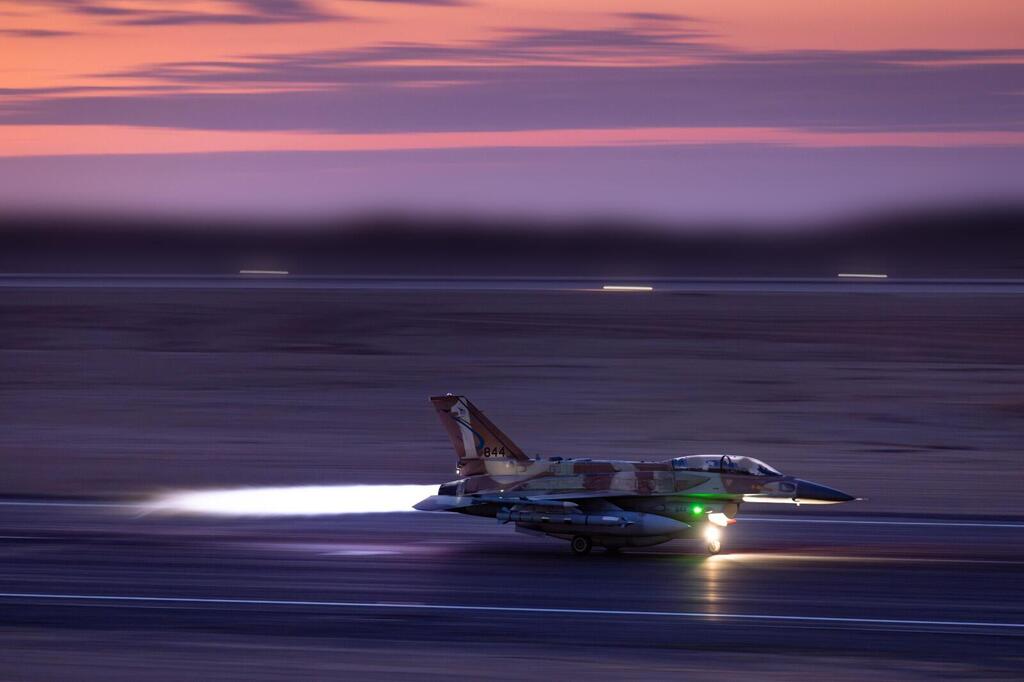
An Israeli fighter jet takes off for a mission in Iran
(Photo: IDF)
The person stressed that any decision to resume fighting would be Trump’s. The source added that the U.S. president had grown frustrated by the deadlock in negotiations and the failure to reopen the Strait of Hormuz but had also signaled that he did not want to return to large-scale war.
An Israeli official told CNN that Iran’s fire toward the United Arab Emirates and Oman had accelerated preparations for a possible resumption of fighting. The official added that over the past week, Prime Minister Benjamin Netanyahu had held security discussions in a small forum and instructed ministers not to comment publicly on the matter.
Iran targets Gulf oil bypass routes
Iran’s fire Monday night toward Gulf states included 12 ballistic missiles, three cruise missiles and four drones, but Tehran is continuing to boast that its forces control the Strait of Hormuz even after the war — and is relying above all on the revenue it expects to receive from controlling the Gulf’s maritime oil route.
Authorities in the emirate of Fujairah said Monday that three Indian nationals were wounded by Iranian fire near the emirate’s oil industry zone, raising the question of why Iran targeted that area in particular.
Satellite images show smoke rising over the UAE's Fujairah oil terminal following an Iranian attack
(Video: SoarAtlas )
Tasnim, an Iranian news agency affiliated with the regime, offered an answer: “The Fujairah oil terminal is the UAE’s only alternative to the Strait of Hormuz.”
The implication is that Iran is attacking alternative Gulf routes to preserve its maritime dominance and ensure that it alone controls the region’s oil routes.
“The pipeline has a capacity of 1.5 million barrels of crude oil per day, and it can be expanded to 1.8 million barrels. It was built specifically to allow the UAE to export its oil without passing through the Strait of Hormuz,” Tasnim said. The report included an image clearly illustrating the bypass route Iran is seeking to cut off.
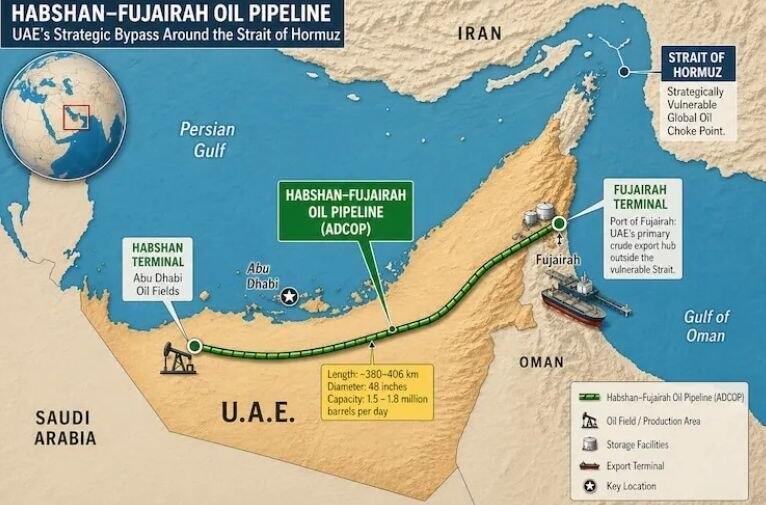
The UAE'S Habshan-Fujairah Oil Pipeline
But it is not the only route that bypasses Hormuz. Saudi Arabia, which was not attacked Monday night, also has such a pipeline, and it too appeared in Tasnim’s report.
“The only other main alternative to the Strait of Hormuz is Saudi Arabia’s East-West pipeline, or Petroline, to the port city of Yanbu,” the report said.
The Saudi pipeline stretches about 1,200 kilometers, or 750 miles, carrying oil from the kingdom’s east to the western port of Yanbu on the Red Sea. That allows Saudi Arabia to export oil on its own, without depending on passage through Hormuz, where the Revolutionary Guard can impose restrictions. For that reason, Saudi oil infrastructure has been attacked during the war, but for now, Iran has limited itself to a warning through the news agency report.