

The global oil market has lost more than $50 billion in crude that has not been produced since the Iran war began nearly 50 days ago, with effects expected to linger for months or even years, according to analysts and Reuters calculations.
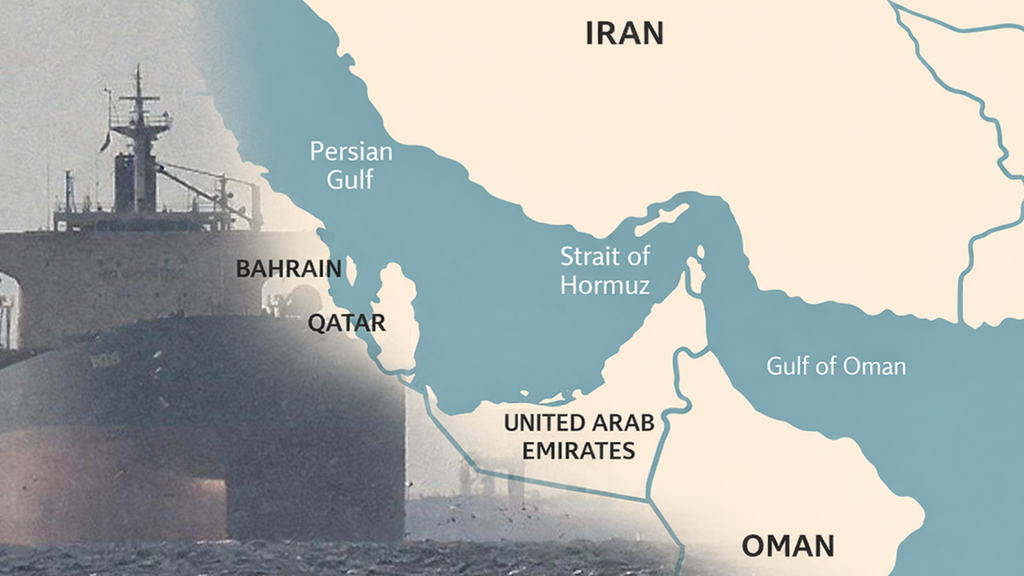
Iranian Foreign Minister Abbas Araghchi said Friday that the Strait of Hormuz, a key passage for global oil shipments, remained open following a ceasefire agreement reached in Lebanon. U.S. President Donald Trump said he believed a deal to end the war with Iran would come “soon,” though no timeline has been confirmed.
Gallery
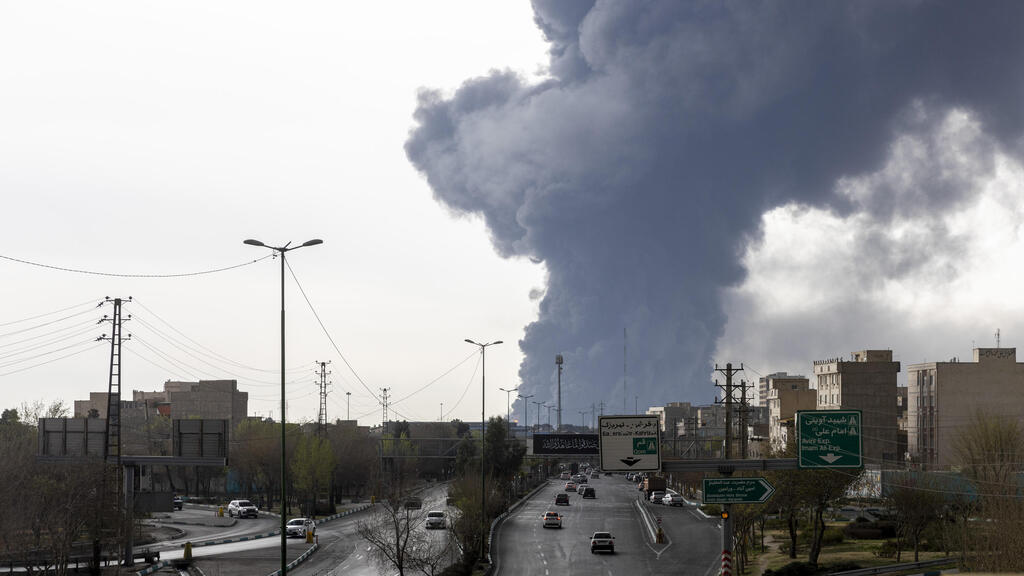
Smoke rises from oil facilities in Tehran following IDF strikes
(Photo: Majid Saeedi/Getty Images)
Since the crisis began at the end of February, more than 500 million barrels of crude and condensate have been removed from the global market, according to data from analytics firm Kpler. Analysts describe it as the largest energy supply disruption in modern history.
To put that figure in perspective, 500 million barrels is equivalent to eliminating global aviation demand for about 10 weeks, halting all road travel worldwide for 11 days or cutting off oil supplies to the global economy for five days, said Iain Mowat, a principal analyst at Wood Mackenzie.
Reuters estimates show the lost supply is nearly equal to a month of oil demand in the United States or more than a month of consumption across Europe. It also represents roughly six years of fuel use by the U.S. military, based on annual consumption of about 80 million barrels, and could power the world’s international shipping industry for about four months.
Production losses have been concentrated in the Gulf. Arab Gulf countries lost about 8 million barrels per day of crude output in March, nearly matching the combined production of Exxon Mobil and Chevron, two of the world’s largest oil companies.
Jet fuel exports from Saudi Arabia, Qatar, the United Arab Emirates, Kuwait, Bahrain and Oman dropped sharply, falling from about 19.6 million barrels in February to just 4.1 million barrels combined for March and April so far, according to Kpler. Reuters estimates that lost volume would have been enough to fuel about 20,000 round-trip flights between New York’s John F. Kennedy International Airport and London Heathrow.
With crude prices averaging around $100 per barrel since the conflict began, the missing supply represents roughly $50 billion in lost revenue, said Johannes Rauball, a senior crude analyst at Kpler. That figure is equivalent to about 1% of Germany’s annual gross domestic product, or the entire economic output of smaller European countries such as Latvia or Estonia.
Despite signs of easing tensions, analysts warn that a full recovery will take time. Global onshore crude inventories have fallen by about 45 million barrels so far in April, according to Kpler. Since late March, production outages have reached roughly 12 million barrels per day.
Heavier crude fields in Kuwait and Iraq may take four to five months to return to normal operations, Rauball said, likely extending supply shortages through the summer. Damage to refining capacity and to Qatar’s Ras Laffan liquefied natural gas complex means a full restoration of regional energy infrastructure could take years.